
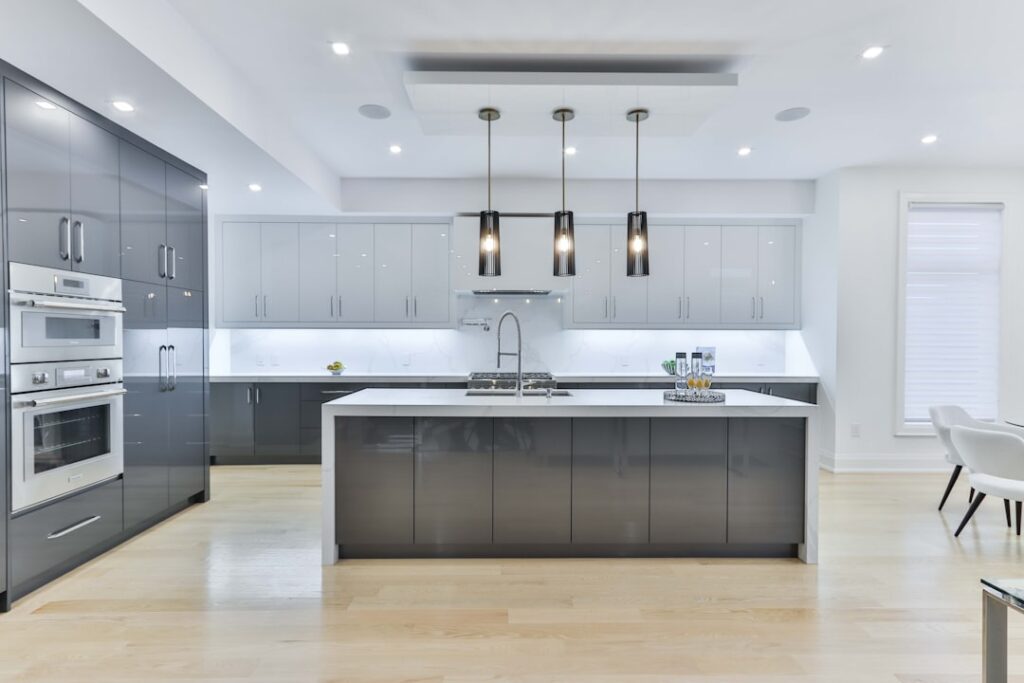
Most homeowners discover cabinet dimensions matter the hard way — they buy a 36-inch wide dishwasher and find it sticks out 2 inches past the cabinet fronts because the base run was a non-standard depth. Cabinet depths follow industry standards that nearly every appliance, countertop, and accessory in your kitchen relies on, and knowing the numbers prevents costly fitment problems during a remodel. Below are the actual measurements builders, designers, and appliance manufacturers use, plus the situations where deviating from the standard makes sense.
Standard Base Cabinet Depth
Standard base cabinet depth in the US is 24 inches from the wall to the front of the cabinet box. Add 1 to 1.5 inches for the door front and another 1.5 inches for the countertop overhang, and the finished countertop typically projects 25.5 to 26 inches from the wall.
This 24-inch standard exists because it accommodates a standard 24-inch dishwasher, fits under most 25-inch standard countertops with overhang, and matches the depth of every freestanding range, oven, and built-in microwave on the market. Deviating from 24 inches means custom appliance trim and trouble fitting standard accessories.
Standard Upper (Wall) Cabinet Depth
Upper or wall cabinets standardize at 12 inches deep. The shallower depth keeps wall cabinets from looming into the work area and protects sight lines while you stand at the counter. A 12-inch upper holds plates, glasses, mugs, and most cereal boxes comfortably.
Some kitchens specify 13 to 15 inch deep uppers for added storage, particularly when the cook is tall and standard depth feels cramped. Beyond 15 inches the cabinet starts to feel oppressive and creates head-clearance issues when leaning over the counter.
Pantry and Tall Cabinet Depths
Pantry cabinets, also called tall cabinets, run either 12 or 24 inches deep depending on use. A 12-inch pantry matches the upper cabinets and stores canned goods, dry goods, and small kitchen appliances in a clean line. A 24-inch pantry matches base cabinets and offers significantly more storage including space for stand mixers, small appliances, and a roll-out trash setup.
For deep pantries, plan on pull-out shelves rather than fixed shelves. A 24-inch deep fixed shelf turns the back third into a graveyard for forgotten cans. Roll-out shelves from Rev-A-Shelf cost $80 to $140 each and pay for themselves in usable storage.
Bathroom Vanity Depths
Bathroom vanities typically run 18 to 21 inches deep, shallower than kitchen base cabinets because bathrooms generally have less square footage to give. A 21-inch vanity holds a standard 19-inch oval undermount sink with a half-inch reveal of countertop around the basin.
For a more substantial look, some master bath designs use 24-inch deep furniture-style vanities that match kitchen base depth. The extra 3 inches noticeably increases drawer storage and lets a larger sink basin fit comfortably. Plan accordingly with door swings and walking clearance — most building codes require a 30-inch clear path in front of fixtures.
Refrigerator Cabinet Depths
Refrigerator surround cabinets are deeper than standard base cabinets to accommodate the appliance:
- Standard depth refrigerator: 30 to 36 inches deep including handles. Cabinet surround needs 25 to 27 inches deep with 36 to 42 inch wide opening
- Counter-depth refrigerator: 24 to 28 inches deep. Cabinet surround stays at 24 inches with the door fronts sitting flush to base cabinet fronts
- Built-in refrigerator (Sub-Zero, Thermador, Miele): 24 inches deep including doors. Requires a 24-inch deep cabinet box with specific clearance for ventilation
Counter-depth is the modern preference for kitchens where the refrigerator sits in a long run of cabinets. Standard-depth fridges save $1,500 to $3,000 over a built-in but stick out 6 inches past the cabinets and break the visual line.
Specialty Cabinet Depths
Several cabinet types use non-standard depths for specific functions:
- Corner base cabinets (Lazy Susan): 24 inches deep on each side with a 33 to 39 inch corner opening
- Microwave wall cabinet (above range): 15 to 18 inches deep to clear the microwave body
- Range hood enclosure: 18 to 24 inches deep matching the hood specs
- Sink base cabinet: 24 inches deep but often has no back panel to allow plumbing access
- Toe-kick drawers: 6 to 8 inches deep and 4 inches tall, fitted into the recess beneath base cabinets
Always confirm specialty cabinet specs before ordering. Manufacturer dimensions vary slightly even among standard sizes.
Laundry Room Cabinet Depths
Laundry cabinets installed above front-load washers and dryers need at least 24 to 28 inches of depth to clear the appliance bodies. The actual cabinet box can be 12 inches deep matching standard uppers, but the bottom of the cabinet must sit at least 28 inches above the floor to clear most front-load tops with the lid raised.
For top-load washers, lift the lid fully open and measure. Most top-loaders need 56 to 60 inches of vertical clearance to fully open the lid, which usually means no overhead cabinets directly above.
When to Deviate from Standards
Custom cabinet depths make sense in a few situations: shallow utility closets in tight basements where 12-inch deep cabinets stretch storage; deep islands at 30 to 36 inches for prep stations and bar seating; built-in bookcases at 10 to 12 inches to balance display and storage; and entry mudroom benches at 16 to 18 inches deep for shoe storage without sticking too far into walking paths.
Every other situation should follow the standards. Custom depths add 15 to 30 percent to cabinet cost and force every appliance and accessory choice to be made around the deviation rather than the other way around.
Planning Tips for a Remodel
Before ordering cabinets, walk through the room with a tape measure and confirm:
- Wall-to-wall measurements at floor, mid-wall, and ceiling — walls bow more than people expect
- Floor flatness with a 4-foot level — out-of-level floors force toe-kick shimming
- Window and door openings, including the trim widths
- Plumbing rough-in heights and locations
- Electrical outlet placement for tile and backsplash planning
Order cabinet boxes from a single manufacturer to ensure depth consistency. Mixing Ikea and KraftMaid in the same kitchen, for example, creates 1/4-inch depth differences that show in seams and crown molding. Sticking to standard cabinet depths from one source produces a professional finish and a long list of compatible appliances and accessories.


