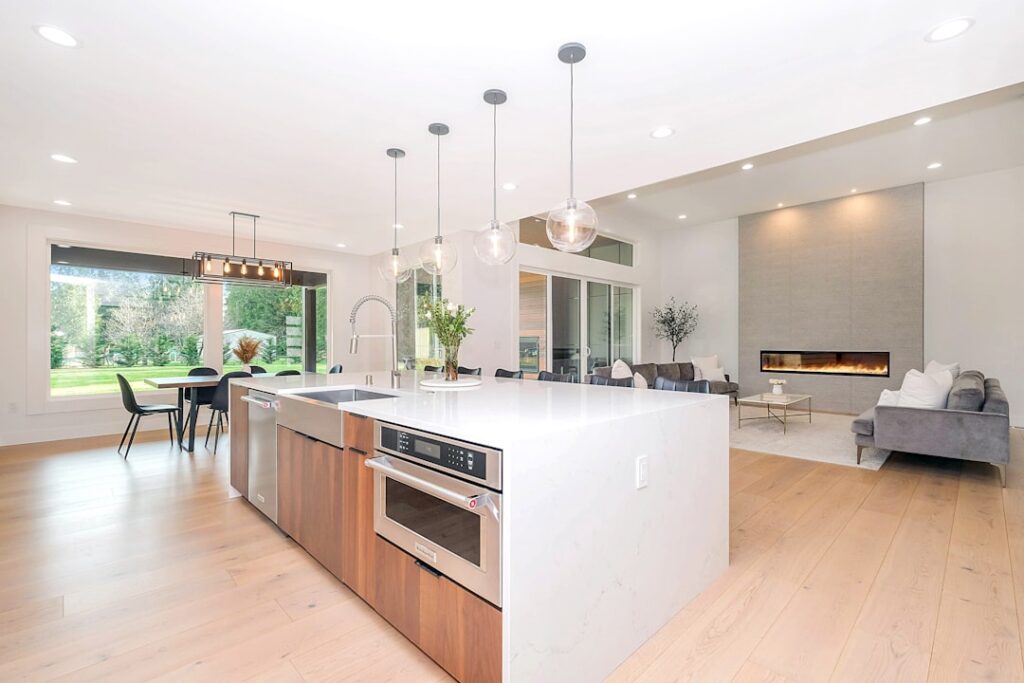
Ordering a Caesarstone quartz countertop sample is the smartest, cheapest step you can take before committing thousands of dollars to a new kitchen or bathroom surface. A small swatch in your own home, under your own lighting, next to your actual cabinets and floor, reveals whether a color truly works far better than a photo on a screen or a chip on a showroom wall. This guide explains how to get samples, what to look for, how to test them, and how to translate a tiny piece into a confident full-slab decision.
Caesarstone is one of the pioneering engineered quartz brands, offering dozens of colors from crisp whites to dramatic veined marble looks and warm concretes. Because engineered quartz is manufactured, the sample you hold is highly representative of the finished product, unlike natural stone where every slab varies. That consistency makes sampling especially reliable.
- Why a Physical Sample Matters
- Where to Get a Caesarstone Sample
- What to Evaluate With Your Sample
- Testing Durability and Stain Resistance
- Comparing Caesarstone to Other Quartz Brands
- Understanding Cost Before You Commit
- Common Sampling Mistakes
- From Sample to Slab
- Popular Caesarstone Colors to Sample
- Living With the Sample Before You Buy
Why a Physical Sample Matters
Screens distort color, contrast, and scale. A white that looks pure online may read gray or cream in person. Veining that seems subtle in a catalog can appear busy across a large island. Holding a real Caesarstone chip lets you judge undertones, sheen, and how the surface reacts to your kitchen’s lighting throughout the day. It also lets you feel the finish, whether the smooth polished standard, a honed matte, or a textured concrete-style surface, which photos cannot convey.
Where to Get a Caesarstone Sample
- Caesarstone’s website: The manufacturer ships small sample chips, often free or for a nominal fee, directly to your home. This is the most convenient route and gives you the exact current color formulation.
- Home centers and kitchen showrooms: Big-box stores and independent kitchen and bath dealers stock sample chips or larger display pieces you can take home.
- Local fabricators: The stone shops that will actually cut and install your counter usually have full sample sets and can sometimes lend larger offcuts, which are far more useful for judging veining.
- Designers and remodelers: If you are working with a pro, they typically carry sample kits.
Whenever possible, get the largest sample you can. A 3-inch chip shows color but not pattern; a 12-inch or larger piece reveals how veins and speckles repeat across a real surface.
What to Evaluate With Your Sample
Once the sample is in hand, put it to work. Evaluate these factors deliberately rather than glancing and deciding:
- Undertone: Set it against your cabinets. A warm-white counter can clash with cool-gray cabinets and vice versa. Look for undertones of cream, gray, blue, or beige.
- Lighting shift: View it in morning daylight, midday, and under your kitchen’s evening bulbs. Colors can transform, especially whites and grays.
- Finish and sheen: Decide whether you want a reflective polished surface or a low-glare honed one. Honed hides fingerprints better but can show more marks from oils.
- Pattern scale: Imagine the veining multiplied across your countertop run. Bold patterns make a statement but can overwhelm a small kitchen.
Testing Durability and Stain Resistance
One advantage of a physical sample is that you can (gently) test it. Engineered quartz is non-porous and does not require sealing, which is a major selling point over granite and marble. Still, verify claims yourself. Set a few drops of coffee, red wine, lemon juice, or cooking oil on an inconspicuous corner of the sample, leave them an hour, then wipe. Quality quartz cleans up completely with no staining. Avoid heat testing that could damage the resin; quartz resists heat but is not heatproof, and prolonged high heat can scorch the binder, so plan to use trivets regardless.
Comparing Caesarstone to Other Quartz Brands
While sampling Caesarstone, it is wise to also sample competitors like Cambria, Silestone, MSI Q, and Corian Quartz in similar colors. Prices and warranties differ. Caesarstone typically carries a lifetime residential warranty on properly installed counters. Comparing samples side by side under identical lighting exposes subtle differences in depth, veining realism, and finish quality that marketing copy hides. Bring several chips together and rank them honestly in your own space.
Understanding Cost Before You Commit
Engineered quartz like Caesarstone generally runs $60 to $120 per square foot installed, depending on the color tier, edge profile, and your region. Premium marble-look and concrete-look designs sit at the higher end. A typical kitchen with 40 to 50 square feet of counter lands somewhere between $2,800 and $6,000 installed. Because that is a significant investment, spending a week living with samples is time well spent. Note that Caesarstone groups colors into price tiers, so ask your fabricator which tier your favorite falls into before falling in love with it.
Common Sampling Mistakes
- Deciding from a photo: Never order a slab without a physical sample in your actual space.
- Judging under showroom lights only: Fluorescent showroom lighting misrepresents undertones; always view at home.
- Using too small a chip for a bold pattern: Get a large sample or ask to see a full slab at the fabricator’s warehouse.
- Ignoring the edge and backsplash: Consider how the color pairs with your chosen edge profile and backsplash material.
- Forgetting the floor: Lay the sample near your flooring, since the counter, cabinets, and floor must all work together.
From Sample to Slab
Once your sample has passed the lighting, undertone, and stain tests, ask your fabricator to see the actual slabs before they cut. Even with consistent engineered quartz, you want to confirm the batch matches your chip and there are no defects. Mark the layout so the most attractive veining lands on the island or main run. Then finalize your edge profile, sink cutout, and backsplash details.
Popular Caesarstone Colors to Sample
Caesarstone’s catalog is large, but a handful of colors dominate American kitchens and are worth requesting first. Whites and near-whites like the crisp, lightly speckled options remain the most popular for bright, timeless kitchens. Marble-look designs with soft gray veining give the luxury of Carrara or Calacatta marble without the staining and etching that plague real marble. Warm concrete and greige tones suit modern farmhouse and transitional spaces. Bold dark colors, from charcoal to near-black, make dramatic islands and pair strikingly with white cabinets. When you request samples, pull two or three from different families rather than three shades of the same white, so you can see how dramatically undertone and pattern change the mood of your kitchen before narrowing down.
Living With the Sample Before You Buy
The most valuable thing you can do with a sample is simply leave it in your kitchen for a week or more. Prop it against the backsplash, set it near the sink, and lay it on the island where you will actually prepare food. Notice how it looks first thing in the morning, under the harsh midday sun, and beneath your warm evening bulbs, because a color that delights you at noon can feel flat or cold at night. Set your everyday dishes, a coffee mug, and a cutting board on it to picture daily life. This slow, deliberate approach catches undertone clashes and pattern fatigue that a quick showroom glance always misses, and it is the single best defense against the regret of a color that looked perfect in the catalog but wrong in your home.
A Caesarstone quartz countertop sample costs almost nothing but prevents the most expensive mistake in a kitchen remodel: choosing the wrong color. Gather large samples, test them in your real lighting against your real cabinets, compare brands honestly, and only then commit. That small piece of quartz is the surest path to a counter you will love for decades.