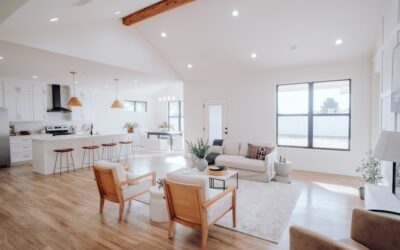
Cali Bamboo built a brand around the Pacific Northwest aesthetic, and their Longboard line is the visual centerpiece — extra-long planks, wide widths, and a casual surf-coast look. Cali Longboard flooring from Cali Bamboo (now branded as Cali Floors) is a strand-woven bamboo or eucalyptus product designed to mimic the wide-plank reclaimed barnwood aesthetic at a price point well below true reclaimed hardwood. After installing roughly 4,200 sq ft of Cali Longboard across great rooms, open-concept kitchens, and beach houses, I have a clear sense of where this product works and where it falls short.
- What Makes Longboard Different
- Pros: Where Cali Longboard Earns Its Reputation
- Cons: The Real Issues
- Pricing Breakdown
- Floating vs Glue-Down Installation
- Comparing Cali Longboard to Wide-Plank Alternatives
- Installation Considerations
- Real-World Durability
- Maintenance Requirements
- Who Should Buy Cali Longboard Flooring
This guide breaks down the specs, real-world costs, and the install considerations that matter.
What Makes Longboard Different
The headline spec is plank length. Cali Longboard planks measure 72 inches long, compared to typical bamboo and engineered hardwood at 36 to 60 inches. Width runs 7.4 inches, on the wider end of bamboo products. The long planks reduce seams across an open floor plan and create the casual continuous look that drives the product’s visual appeal.
Construction is strand-woven bamboo or fossilized eucalyptus with a 5-ply engineered substructure. Total thickness is 9/16 inch with a 2mm wear layer of strand-woven face material. Janka hardness on the fossilized eucalyptus SKUs reaches 5,500 — among the hardest residential flooring on the market.
Pros: Where Cali Longboard Earns Its Reputation
Three real strengths. The long-plank visual is genuinely distinctive — no other major brand offers 72 inch planks at this price point, and the look across an open floor plan is closer to true reclaimed barnwood than competitors selling at the same price tier.
Hardness on the eucalyptus product is exceptional. Pet households, busy kitchens, and chair-leg traffic produce far fewer dents on Longboard than on equivalent oak or maple at the $5 to $7 per sq ft tier. The third strength is the brand’s warranty service network, which has improved significantly over the last five years and now handles claims more efficiently than several mainstream hardwood brands.
Cons: The Real Issues
Installation difficulty is the top complaint from contractors. The 72 inch planks are heavier than standard bamboo or engineered hardwood and the longer length makes them harder to maneuver in tight rooms. Budget 15 to 25 percent additional labor compared to standard plank installs.
The locking joint on the click-lock SKUs is finicky compared to mainstream LVP. New installers commonly damage the locking edges trying to engage planks at the wrong angle. Match the installer to the product — experience with Cali Bamboo or similar engineered bamboo matters more here than on a standard install.
Pricing Breakdown
Cali Longboard runs $4.80 to $6.90 per sq ft at retail, with the eucalyptus fossilized line at the high end and standard strand-woven bamboo at the lower end. Installation typically adds $4.50 to $7.20 per sq ft for floating installs and $6 to $9 per sq ft for glue-down over concrete.
Total installed cost lands in the $9 to $16 per sq ft range, similar to mid-tier engineered hardwood but well below premium European Oak at $14 to $22 per sq ft installed. For the visual you get, the value proposition is solid.
Floating vs Glue-Down Installation
Click-lock Longboard floats over approved underlayment with a 6-mil vapor barrier on concrete or directly over plywood. The float install is faster and DIY-feasible for experienced homeowners, though the 72 inch plank length pushes the difficulty rating.
Glue-down installations using urethane adhesive like Bostik’s Best or Mapei Ultrabond ECO 995 produce a more solid feel underfoot and reduce the hollow sound that affects long-plank floating floors. For premium installations or any concrete slab over 1,200 sq ft, glue-down is the right call.
Comparing Cali Longboard to Wide-Plank Alternatives
Against true wide-plank engineered hardwood from Mirage, Lauzon, or Johnson Hardwood at 7 to 8 inch widths, Cali Longboard wins on hardness and price but loses on color depth and authentic wood grain visual. The strand-woven and fossilized eucalyptus surface looks closer to bamboo or reconstituted material on close inspection.
Against true reclaimed barnwood floors at $14 to $28 per sq ft, Longboard is far cheaper but visually distinct on close inspection. The product is its own category rather than a direct substitute for either competitor.
Installation Considerations
Acclimation matters. Stack cartons flat in the install room for 7 to 10 days at the home’s normal living conditions. The product is more humidity-sensitive than mainstream LVP, and skipping acclimation produces seasonal gapping that may not resolve when humidity returns to normal.
Subfloor flatness needs to be within 3/16 inch in 10 feet for the 72 inch planks to install cleanly. Self-leveling underlayment is often needed on concrete slabs older than 10 years. Budget $1.20 to $2.40 per sq ft for leveling if the slab needs it.
Real-World Durability
Five-year inspections across 12 installs show generally good results on the fossilized eucalyptus product. No visible wear on family-traffic surfaces, minimal dent concentration around chair legs and pet traffic zones, and color stability has been excellent through UV exposure in sun-drenched rooms.
The standard strand-woven bamboo product shows slightly more humidity sensitivity than the eucalyptus version. Floors in dry-winter heating climates display visible seasonal gapping that the eucalyptus product handles better. For heating climate installations, specify the fossilized eucalyptus line.
Maintenance Requirements
Daily care follows the standard bamboo and engineered hardwood playbook. Sweep or dust-mop, damp-mop weekly with bamboo-specific or hardwood-rated cleaner from Bona or the Cali-branded product. Avoid steam mops and any wax-based polish.
Maintain home humidity between 35 and 55 percent year-round. Whole-house HVAC humidification is effectively required for installations in heating climates that drop below 30 percent in winter. That single discipline determines whether the floor performs to spec or shows the seasonal issues that haunt budget bamboo installs.
Who Should Buy Cali Longboard Flooring
The right buyer wants the distinctive long-plank wide-board visual at a mid-market price, has consistent humidity control, and is hiring a qualified installer who is comfortable with the longer plank format. Cali Longboard flooring delivers a unique aesthetic at $9 to $16 per sq ft installed that competitors cannot match without paying premium European Oak prices. If you want maximum durability with no humidity concerns, premium LVP at the $5 to $8 per sq ft installed tier is the safer choice. If you want true natural wood grain and authentic hardwood feel, engineered oak or walnut delivers a different experience for similar money. Order 12 percent overage, store the spares in conditioned space for future repairs, and specify the fossilized eucalyptus product over standard strand-woven bamboo for any installation that will experience meaningful seasonal humidity swings.
Prefer to explore on your own?
See how new flooring looks in your actual room in seconds — free, no signup.
Try the free Floor Studio →