Rust is not a stain on the surface; it is the metal itself corroding, and it keeps spreading underneath paint if you do not deal with it. So can you spray paint over rust? Yes, you can, and you can even do it without grinding every speck of corrosion off, but only if you use the right products and follow the right prep. Painting over active, flaking rust with regular spray paint just traps the corrosion and buys you a few months before the finish bubbles and peels. This guide explains what rust actually is, how to prep the surface, which primers and paints stop corrosion, and the exact steps for a finish that lasts on railings, tools, patio furniture, and gates.
- Understanding What You're Painting Over
- Two Approaches: Remove or Convert
- Prepping the Surface Step by Step
- Choosing the Right Primer and Paint
- Spraying for a Durable Finish
- When You Should Not Just Paint Over It
- Common Projects and How to Approach Them
- Tools and Supplies You'll Need
- Frequently Asked Questions
Understanding What You’re Painting Over
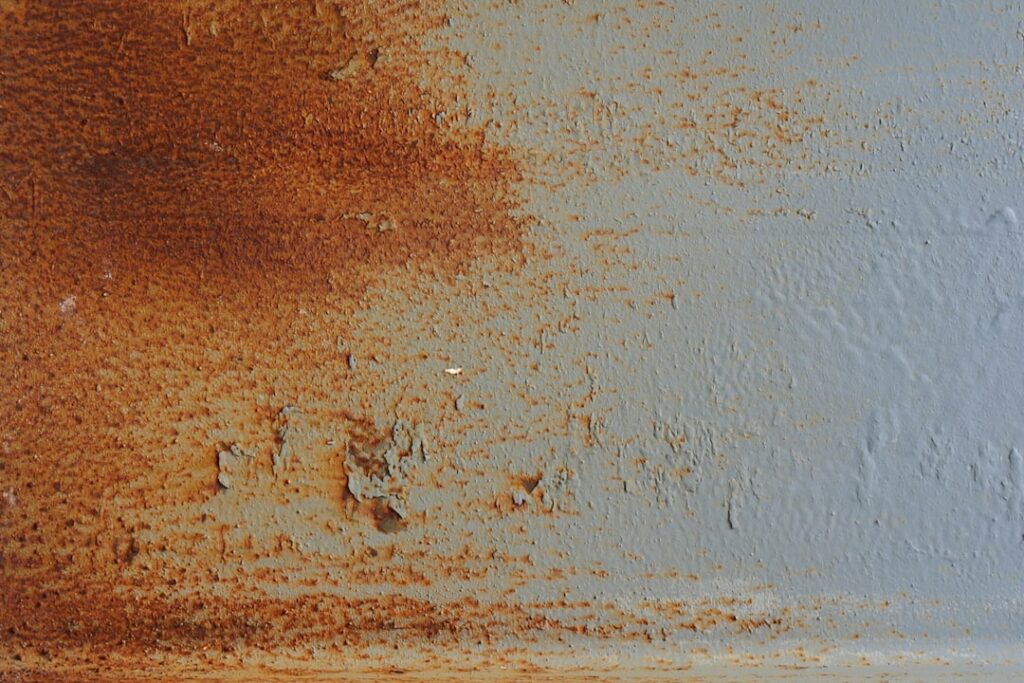
Rust (iron oxide) forms when iron reacts with oxygen and moisture. It is porous, flaky, and expands as it grows, which is why it lifts paint from below. Two facts drive the whole job. First, paint needs a stable surface to bond to, and loose rust is anything but stable. Second, any active rust left under the paint can keep corroding if moisture reaches it. So your goal is either to remove the loose material and prime the sound surface, or to chemically convert the rust into a stable, paintable layer. Do one of those and paint holds. Skip both and it fails.
Two Approaches: Remove or Convert
You have two legitimate paths, and the amount of rust decides which to use.
- Mechanical removal: Scrape and sand off loose and flaking rust down to sound metal or a tightly adhered thin rust layer, then prime. Best for light to moderate surface rust.
- Rust conversion: Apply a rust converter or reformer (like Rust-Oleum Rust Reformer or a phosphoric-acid-based product) that chemically transforms iron oxide into a stable black surface you can paint. Best for heavier rust you cannot fully remove, such as pitted railings or old tools.
Many jobs use both: knock off the loose stuff mechanically, then hit the stubborn pitted areas with a converter before priming. Either way, you are never simply spraying color over live, flaking rust.
Prepping the Surface Step by Step
Prep is 80 percent of a lasting rust paint job. Do not shortcut it.
- Remove loose rust with a wire brush, wire wheel on a drill, sandpaper (start around 80 grit), or a sanding disc. Get rid of anything flaking or powdery until what remains is tight to the metal.
- Sand glossy areas of surrounding old paint so new paint has tooth to grip.
- Wipe away dust with a rag, then degrease the whole surface with mineral spirits or a wax-and-grease remover. Oil and dust ruin adhesion.
- Apply a rust converter to any remaining stubborn rust if you are using that method, and let it cure per the label, usually 24 hours until it turns black.
- Let everything dry completely. Any trapped moisture will restart corrosion under the new paint.
Choosing the Right Primer and Paint
This is where people go wrong. Generic spray paint alone will not stop rust. Use products made for metal and corrosion:
- Rusty metal primer: Spray primers such as Rust-Oleum Rusty Metal Primer are formulated to bond to tightly adhered rust and seal it. A can runs about $6 to $9.
- Rust-inhibiting spray paint: All-in-one products like Rust-Oleum Stops Rust or Krylon Rust Protector combine primer and color, ideal over primed or converted surfaces. Around $7 to $12 a can.
- Direct-to-metal (DTM) enamel: Oil-based DTM enamels give the toughest, most weather-resistant finish for railings and outdoor furniture.
- Rust converter primers: Some products convert and prime in one step for heavily rusted pieces.
For outdoor items, oil-based rust-inhibiting enamel outperforms cheap all-purpose spray paint by years. The extra couple of dollars a can is the best money in the whole project.
Spraying for a Durable Finish
Technique matters as much as product. Follow these habits:
- Work in the right conditions: 50 to 90°F, low humidity, out of direct sun and wind. Cold or damp air ruins the cure.
- Prime first with one to two light coats of rusty metal primer, letting each flash off per the label.
- Apply thin color coats: Hold the can 8 to 12 inches away and spray in steady, overlapping passes. Two or three thin coats beat one heavy coat that runs and traps solvent.
- Respect recoat windows: Recoat within the first hour or wait the full 48 hours the label specifies. Recoating in between can wrinkle the finish.
- Add a clear coat for high-wear or high-moisture items to seal everything and add gloss.
When You Should Not Just Paint Over It
Painting over rust works for surface and moderate corrosion, but it is not a fix for everything. If the metal is rusted through, structurally weakened, or heavily pitted on a load-bearing part like a railing baluster or a structural bracket, paint is cosmetic only and the piece needs repair or replacement. Likewise, if rust is coming from the back side of thin sheet metal, painting the front will not stop it. For those cases, address the source of moisture and the structural integrity first, then paint.
Common Projects and How to Approach Them
Different rusted items call for slightly different handling, though the core principle, stop the rust before you color it, never changes.
- Wrought-iron railings and gates: Wire-brush the flaking spots, hit pitted areas with a rust converter, prime, and topcoat with an oil-based DTM enamel. These see constant weather, so do not skip the primer.
- Patio furniture: Sand loose rust, degrease thoroughly (outdoor furniture collects grime), and use a rust-inhibiting spray in two or three thin coats. Add a clear coat for pieces that sit in the sun.
- Tools and hardware: A rust converter turns light surface rust black and paintable in one step, ideal for pieces you cannot easily sand into every crevice.
- Mailboxes and light fixtures: Small items are easy to remove, prep on a bench, and spray evenly on all sides, which beats trying to paint them in place.
Tools and Supplies You’ll Need
Assemble everything before you start so the job flows. You will want a wire brush or a wire wheel for a drill, 80 and 120-grit sandpaper, mineral spirits and clean rags for degreasing, painter’s tape and drop cloths to protect surroundings, rust converter for heavy corrosion, a can of rusty-metal primer, and your rust-inhibiting topcoat. Add nitrile gloves, safety glasses, and a respirator or dust mask, since sanding rust creates fine iron-oxide dust you should not breathe. The whole supply list runs about $40 to $60 and covers several small projects, which is far cheaper than replacing a good railing or a set of patio chairs.
Frequently Asked Questions
Can you spray paint directly over rust without sanding?
Only if the rust is thin, tightly adhered, and stable, and you use a rust converter or a rusty-metal primer designed for it. You should always remove loose, flaking rust first; painting over powdery or peeling rust guarantees the finish will fail.
What is the best spray paint to use over rust?
A rust-inhibiting product such as Rust-Oleum Stops Rust or Krylon Rust Protector over a rusty metal primer. For the toughest outdoor finish, use an oil-based direct-to-metal enamel after proper prep.
Do rust converters really work?
Yes. Rust converters chemically transform iron oxide into a stable black compound that seals the surface and accepts paint. They are ideal for pitted or heavily rusted metal you cannot fully sand down, but the surface must still be free of loose flakes and grease first.
How long does spray paint over rust last?
With proper prep, a rust-inhibiting primer, and a quality enamel topcoat, an outdoor finish commonly lasts 3 to 7 years or more. Skipping prep or using regular spray paint can drop that to a single season before bubbling and peeling.
So, can you spray paint over rust? Absolutely, as long as you treat rust as corrosion to stop rather than a color to cover. Remove the loose material, convert or prime what remains, use rust-inhibiting paint, and spray thin coats in good conditions. Do the prep and the finish lasts for years; skip it and you are repainting by next spring.