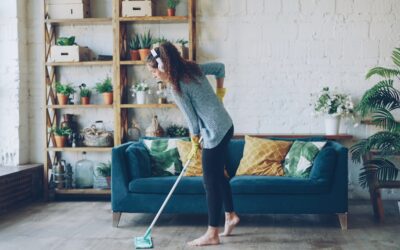
Spilled wine on the couch and a muddy paw trail on the rug are the same problem wearing two outfits. A good carpet and sofa cleaner tackles both, because carpet fibers and upholstery fabric respond to the same chemistry of surfactants, enzymes, and controlled moisture. The trick is knowing which product form to reach for, and how to clean without over-wetting the padding underneath. Get that balance right and you can refresh an entire living room in an afternoon without calling a pro.
- Carpet and Upholstery Are More Alike Than You Think
- The Main Types of Carpet and Sofa Cleaners
- Always Check the Upholstery Cleaning Code
- Step-by-Step: Cleaning Carpet and Sofa the Right Way
- The Number One Mistake: Over-Wetting
- DIY Solutions That Actually Work
- Keeping Carpet and Upholstery Fresh Between Deep Cleans
- Matching the Cleaner to the Stain
- Frequently Asked Questions
- Can I use the same cleaner on both carpet and my sofa?
- How often should I deep-clean carpet and upholstery?
- Why does my sofa smell after cleaning?
- Is renting a machine better than buying one?
- How long should carpet and upholstery dry before use?
- The Bottom Line
Carpet and Upholstery Are More Alike Than You Think
Both are built from woven or tufted fibers, natural or synthetic, mounted over a backing. Dirt, oils, and spills bind to those fibers the same way, and both hold odor when moisture lingers too long. That shared construction is why so many products are labeled for carpet and upholstery together. The key difference is water tolerance: a carpet sits over a pad and subfloor that can dry out, while a sofa cushion holds foam that stays wet far longer, so upholstery demands a lighter touch.
The Main Types of Carpet and Sofa Cleaners
Choosing the right form saves you time and prevents damage. Here is how the common categories compare.
- Spray-and-blot cleaners: Aerosol or trigger-spray formulas like Resolve or Folex. Best for spot treatment and small stains on both surfaces. Cheapest option at $5 to $10.
- Portable spot machines: Bissell Little Green and similar units combine a solution tank, a scrub tool, and suction. Ideal for upholstery and stairs. Expect $100 to $150.
- Full-size carpet extractors: Deep-clean whole rooms and usually ship with an upholstery hand tool. Rent for about $35 a day or buy for $150 to $350.
- Foam cleaners: Low-moisture foams that lift dirt with minimal wetting, well suited to delicate or water-sensitive upholstery.
If you only need occasional spot cleaning, a $10 spray plus microfiber cloths covers most emergencies. For pet households or families with kids, a portable extractor pays for itself within a year of avoided professional visits.
Always Check the Upholstery Cleaning Code
Before any liquid touches a sofa, find the manufacturer’s cleaning code on the tag, usually under a cushion. It tells you what the fabric can handle:
- W: Water-based cleaners are safe.
- S: Solvent-only, no water. Use a dry-cleaning solvent instead.
- WS: Either water or solvent is fine.
- X: Vacuum only, no liquid cleaners at all.
Using a water-based product on an S-coded fabric can leave rings, shrink the material, or cause dyes to bleed. Carpet has no equivalent code, but you should still spot-test any cleaner in a hidden corner before committing to the whole floor.
Step-by-Step: Cleaning Carpet and Sofa the Right Way
- Vacuum thoroughly first. Loose dirt turns to mud once wet, so dry-soil removal always comes before any cleaner.
- Spot-test. Apply a dab of your cleaner to an inconspicuous area and wait a few minutes to check for color change or damage.
- Pretreat stains. Spray the solution directly on spots and let it dwell three to five minutes so surfactants can break the bond.
- Agitate gently. Work the cleaner in with a soft brush or the machine’s scrub tool, moving with the fabric’s grain, never grinding it deeper.
- Extract or blot. Pull the moisture back out with the machine or blot with clean towels, working from the outside of the stain inward.
- Rinse if needed. Residual detergent attracts new dirt. A pass with clean water lifts it away.
- Dry fast. Open windows and run fans. Aim for carpet dry within 6 to 12 hours and upholstery within 24.
The Number One Mistake: Over-Wetting
More water does not mean more clean. Saturating carpet drives moisture into the pad, where it breeds mildew and can loosen the adhesive holding the carpet down. On a sofa, soaked foam cushions can take days to dry and often develop a sour smell. Use the minimum solution needed, extract as much moisture as possible, and always err toward multiple light passes over one heavy soak. If a cushion cover unzips, remove it and clean the shell separately so the foam stays dry.
DIY Solutions That Actually Work
You do not always need a commercial product. For a general water-safe cleaner, mix one tablespoon of clear dish soap with two cups of warm water and a tablespoon of white vinegar. Spray lightly, blot, and rinse. For odors, sprinkle baking soda over dry carpet or cushions, let it sit for a few hours, and vacuum it up. Hydrogen peroxide diluted to 3 percent tackles organic stains like blood and pet accidents, but always spot-test it first since it can lighten some dyes.
Avoid mixing cleaning chemicals, and never combine bleach with anything containing ammonia. When in doubt, a plain club-soda blot handles fresh spills better than most people expect.
Keeping Carpet and Upholstery Fresh Between Deep Cleans
Regular maintenance stretches the time between deep cleans and keeps your furniture looking newer longer. Vacuum high-traffic carpet twice a week and upholstery once a week to pull out grit before it grinds into the fibers. Rotate and flip reversible sofa cushions so wear spreads evenly. Treat spills the moment they happen, because a fresh stain lifts far more easily than one that has set overnight. A fabric protector spray applied after deep cleaning adds a barrier that buys you extra time on future spills.
Matching the Cleaner to the Stain
No single formula lifts every mess, so reading the stain saves you time and re-cleaning. Water-based, greaseless spots like coffee, juice, and mud respond best to a general surfactant cleaner and a plain blot. Greasy or oily stains, from food to body oils on a sofa arm, need a degreasing formula or a touch of dish soap to cut the film before extraction. Protein stains such as blood, urine, vomit, and pet accidents call for an enzyme cleaner, which digests the organic matter rather than just diluting it. Dye-based spills like red wine or ink are the hardest and often need a targeted stain remover and repeated light passes. When you are unsure, always start with the gentlest option and escalate, since aggressive chemistry can set a stain or bleach the fiber before you have even identified it.
Frequently Asked Questions
Can I use the same cleaner on both carpet and my sofa?
Often yes, if the product is labeled for carpet and upholstery and your sofa carries a W or WS code. Always confirm the fabric code and spot-test first.
How often should I deep-clean carpet and upholstery?
Deep-clean carpet every 12 to 18 months and upholstery every 12 to 24 months, more frequently in homes with pets, kids, or allergies.
Why does my sofa smell after cleaning?
Almost always over-wetting. Trapped moisture in the foam breeds odor. Extract more thoroughly, dry with fans, and avoid soaking cushions in the future.
Is renting a machine better than buying one?
Rent if you deep-clean once a year or less. Buy a portable spot machine if you have pets or kids and clean up messes regularly; it pays off quickly.
How long should carpet and upholstery dry before use?
Aim for carpet to be dry within 6 to 12 hours and upholstery within 24, with fans and open windows speeding things along. Stay off both until they are fully dry, since walking on damp carpet grinds in new dirt and sitting on a wet cushion can leave impressions.
The Bottom Line
A single carpet and sofa cleaner can handle both surfaces because they share the same fiber chemistry, but success comes down to two habits: match the product to the upholstery cleaning code, and never over-wet. Vacuum first, pretreat stains, extract thoroughly, and dry fast. Follow that method and your carpet and couch will look refreshed without the cost or wait of a professional service.