Carpet beetle control starts with understanding what you are actually fighting: small beetles whose larvae feed on natural fibers like wool, silk, fur, feathers, and even pet hair and lint. The adults are mostly harmless and feed on pollen outdoors, but the larvae are the destructive stage, quietly chewing holes in carpets, clothing, upholstery, and stored textiles. Catch them early and the fix is mostly cleaning, not chemicals.
This guide walks through identifying, eliminating, and preventing an infestation using practical, EPA-aligned methods.
How to Identify Carpet Beetles
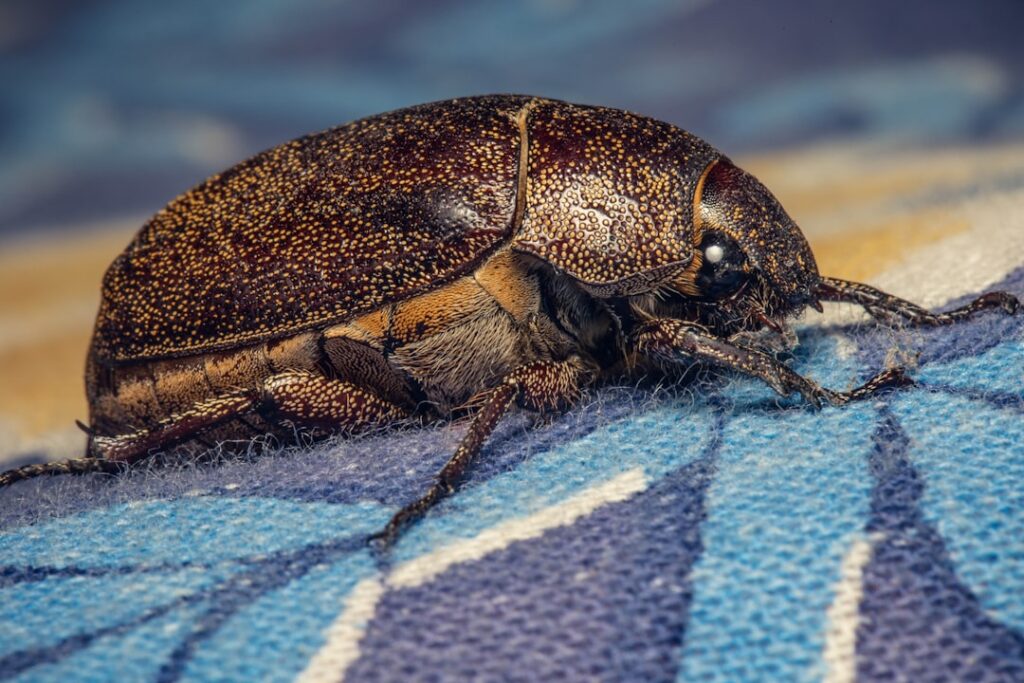
Knowing what to look for tells you how serious the problem is. Adult carpet beetles are tiny, roughly 1/16 to 1/8 inch long, oval, and often mottled black, white, brown, or yellow, depending on the species. They are frequently found near windows, since they are drawn to light. The larvae are the real culprits and look quite different: small, carrot-shaped, fuzzy or bristly, and tan to brown.
Other telltale signs include shed larval skins (translucent, bristly casings), irregular holes in wool or silk items, and damage concentrated in dark, undisturbed places. Unlike moth damage, carpet beetle larvae often leave behind those distinctive shed skins, which is a useful clue for telling the two pests apart.
Find the Source First
You cannot solve the problem until you find where the larvae are feeding. Search the quiet, neglected spots where natural fibers collect:
- Under and behind furniture, along baseboards, and in closet corners
- Inside stored wool clothing, blankets, and rugs
- Around air vents, where lint and pet hair accumulate
- In attics or wall voids with old bird or rodent nests, feathers, or dead insects
- Under heavy furniture and area rugs that rarely get moved
Larvae avoid light and traffic, so the worst damage is usually hidden. Old nests, taxidermy, dried flower arrangements, and animal-based decor are classic overlooked food sources.
The Core Cleaning Strategy
Most carpet beetle problems are solved by thorough, repeated cleaning rather than pesticides. Build your control around these steps:
- Vacuum thoroughly and often. Cover carpets, rugs, upholstery, closet floors, baseboards, and under furniture. Vacuuming removes larvae, eggs, hair, and lint that feed them.
- Empty the vacuum outside immediately, or seal and discard the bag, so anything you collected cannot crawl back out.
- Launder infested textiles in hot water, or dry-clean items that cannot take hot water. Heat from a hot dryer cycle also kills larvae and eggs.
- For delicate items that cannot be washed, sealing them in a freezer for several days can kill larvae and eggs.
- Wipe down shelves, drawers, and storage areas before returning cleaned items.
Repeat vacuuming over several weeks to catch newly hatched larvae and break the life cycle.
Protecting Stored Items
Storage is where carpet beetles do their quietest damage. Clean all wool, silk, and fur items before storing them, since body oils, food stains, and sweat attract larvae. Store susceptible textiles in airtight containers or sealed garment bags rather than open boxes or loose closet shelves.
Cedar and certain repellents can help in enclosed spaces, but they are supplements, not substitutes for clean storage and sealed containers. Periodically take stored items out, inspect them, and air them so problems do not develop unnoticed over a season.
When and How to Use Insecticides
For many homes, diligent cleaning is enough. If an infestation persists, targeted insecticides labeled for carpet beetles can be applied to cracks, crevices, edges, and other harborage areas, never broadcast over whole surfaces unless the label directs it. Always read and follow the product label exactly, since the label is the law and specifies where, how much, and how often you can apply it safely.
Keep children and pets away from treated areas until surfaces are dry and the label says it is safe to re-enter. Do not mix products, and store any pesticide out of reach and in its original container. If you are uncomfortable using chemicals, you can skip them entirely and rely on cleaning plus professional help.
Prevention That Lasts
Once you have cleared an infestation, keep it from coming back with steady habits. Vacuum regularly, especially in low-traffic corners and under furniture where lint builds up. Address pet hair and dust promptly, and keep stored natural-fiber items clean and sealed. Inspect secondhand rugs, furniture, and clothing before bringing them inside, since these are common ways beetles arrive.
Since adult beetles often fly in from outside, well-fitted window screens and sealed gaps around windows and doors reduce how many get in to lay eggs in the first place. Removing old bird and rodent nests near the home cuts off a major outdoor food source.
Understanding the Life Cycle
Knowing how these insects develop explains why patience matters. Adult females lay eggs on or near a food source, often in hidden, fiber-rich spots. The eggs hatch into larvae, which is the long, destructive stage that can last months as they feed and molt repeatedly, leaving those telltale shed skins behind. Eventually the larvae pupate and emerge as adults, which fly toward light and windows, mate, and start the cycle again.
Because the larval stage stretches over such a long period and eggs can hatch on their own schedule, a single cleaning rarely ends the problem. That is why repeated vacuuming over several weeks works: you keep removing newly hatched larvae and eggs until the cycle is broken. Disrupting their food supply through clean storage and regular cleaning is what prevents the next generation from establishing.
When to Call a Professional
Bring in a licensed pest control professional when the infestation is widespread, keeps returning despite thorough cleaning, or is hidden in walls, vents, or hard-to-reach voids. A pro can confirm the species, locate the source you cannot find, and apply treatments safely and effectively. Effective carpet beetle control is usually a combination of relentless cleaning, smart storage, and, when needed, expert help, with chemicals as a last and carefully managed step rather than the first move.
A reputable pest professional will also help you verify that you have carpet beetles and not clothes moths or another pest, since the most effective treatment depends on correct identification. Ask about their approach, whether it targets the source and harborage areas rather than just spraying surfaces, and what you can do between visits to support the treatment. Combined with your ongoing cleaning and storage habits, that partnership usually resolves even stubborn infestations and keeps them from returning.
Prefer to explore on your own?
See how new flooring looks in your actual room in seconds — free, no signup.
Try the free Floor Studio →