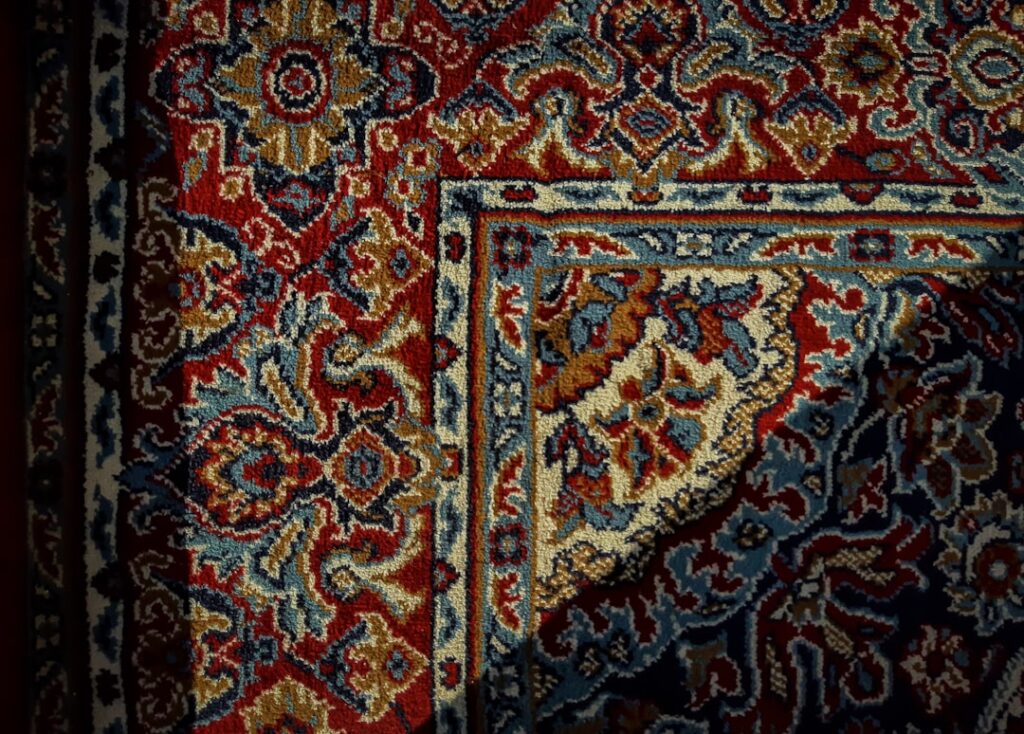
Walk into a well-designed hotel lobby or a high-end study and you will often notice the floor before anything else, because a carpet border frames the space the way a mat and frame set off a painting. A border is simply a contrasting band that runs around the perimeter of a carpet or rug, and it is one of the most affordable ways to make a plain broadloom look custom and intentional. Whether you want to define a seating area, dress up a stair runner, or turn remnant carpet into a finished area rug, understanding your border options gives you a designer look without a designer invoice.
- What a Carpet Border Actually Does
- Types of Carpet Borders
- Choosing a Border Style and Color
- Turning Broadloom Into a Custom Rug
- Installation and Fabrication Tips
- Caring for a Bordered Carpet
- Can You DIY a Carpet Border?
- Border Ideas That Suit Different Rooms
- How Wide Should a Carpet Border Be?
- Final Thoughts
I have bound hundreds of rugs and installed inset borders in everything from formal dining rooms to boat cabins, and the choices come down to a handful of decisions. Here is how to make them.
What a Carpet Border Actually Does
A border serves two jobs at once. Visually, it draws the eye around the room and makes a space feel larger and more deliberate. Practically, it finishes a raw carpet edge so it will not fray, which is what turns a rough-cut piece of broadloom into a durable rug you can move from room to room.
Borders also let you tie a floor into the rest of the decor. A band that picks up the wall color, the drapery trim, or an accent in the upholstery pulls a room together in a way a plain rug never can. It is a small detail that reads as expensive.
Types of Carpet Borders
There are three common ways to add a border, and each suits a different budget and look.
Binding
Binding wraps a fabric or synthetic tape around the cut edge and stitches it down. Cotton and polyester bindings are the most common, ranging from a narrow 1-inch tape to a wide 4-inch band. Binding is the fastest and cheapest option, typically $1.50 to $4 per linear foot, and it works beautifully for turning a carpet remnant into an area rug.
Serging
Serging wraps yarn tightly around the edge in a continuous overcast stitch, giving a hand-finished look that mimics a fine oriental rug. It costs more, around $2.50 to $6 per linear foot, and takes longer, but the result is elegant and durable.
Inset borders
An inset or set-in border sews a contrasting strip of carpet a few inches in from the edge, creating a true two-tone floor. This is the most labor-intensive and priciest choice, often $8 to $20 per linear foot, but it delivers the framed, custom look you see in upscale interiors.
Choosing a Border Style and Color
Contrast is the lever you control. A subtle tone-on-tone border, say a taupe band on a cream field, feels quiet and sophisticated. A bold contrast, like a chocolate border on a light gray rug, makes a graphic statement and helps define a zone in an open floor plan.
A few guidelines I share with clients:
- Match the border width to the room. Wide 4-inch to 6-inch borders suit large rooms; narrow 1-inch to 2-inch borders fit smaller spaces and runners.
- Pull the border color from an existing element such as trim, cabinetry, or artwork so it feels planned.
- Use a durable, low-pile border material in high-traffic areas, since the edge takes the most abuse.
- For patterned field carpet, keep the border solid so the two do not compete.
Turning Broadloom Into a Custom Rug
One of the smartest uses of a border is making a bound area rug from broadloom carpet. You choose any carpet style you love, have a piece cut to your exact size, then add a bound or serged edge. This lets you get a 9-foot by 12-foot rug in a specific color and texture that off-the-shelf rugs rarely offer, often for less than a comparable retail rug.
Expect to pay for the carpet by the square foot plus the binding by the linear foot. A 9×12 rug needs about 42 linear feet of edge, so binding at $3 per foot adds roughly $125 to the carpet cost. Serging that same rug might add $180 to $250. Either way, you end up with a one-of-a-kind rug sized precisely to your room.
Installation and Fabrication Tips
Most borders are added at a carpet workroom rather than on site, because the stitching equipment is specialized. If you are having an inset border installed wall to wall, plan for the seams where the border meets the field to fall out of the main traffic path when possible.
- Bring or ship a clean, squarely cut piece of carpet; crooked cuts show at the border.
- Confirm the binding or serging color against your carpet in daylight, not under store lighting.
- For rugs, add a quality rug pad so the finished piece lies flat and the bound edge does not curl.
- Ask about a mitered corner on wide borders for a crisp, professional finish.
Caring for a Bordered Carpet
A bordered carpet cleans like any other, with one caveat: the bound or serged edge is the most vulnerable part. Vacuum with the beater bar lifted slightly near the edge to avoid catching and unraveling the stitching. Blot spills on fabric binding promptly, since cotton tape can stain more readily than the carpet field. With reasonable care, a serged or bound edge easily lasts 10 to 15 years, and a worn binding can be redone without replacing the whole rug.
Can You DIY a Carpet Border?
Machine binding and serging give the cleanest results, but a determined homeowner can add a serviceable border at home. Peel-and-stick and iron-on binding tapes run $15 to $30 per roll and apply with nothing more than scissors and a household iron. The technique is simple on straight runs: trim the carpet square, center the folded tape over the raw edge, and press it down firmly, working in short sections so the adhesive bonds before it cools. Corners are where DIY jobs struggle, because the tape must fold cleanly at 90 degrees without bunching, so practice on a scrap first. For a truly custom contrast border, hot-melt seam tape and a rented seaming iron let you join a strip of accent carpet to the field, though matching pile direction across the seam takes patience. If the rug will live in a low-traffic spot like a guest room, DIY binding is a reasonable weekend project; for an entry or living room where the edge takes daily abuse and the corners are always in view, paying a shop the modest labor fee is money well spent.
Border Ideas That Suit Different Rooms
Where the rug lives should guide the border you choose. In a formal living or dining room, a tone-on-tone serged edge or a narrow contrast band reads tailored and understated, letting the furniture stay the focus. In a child’s room or a casual den, a bright, wide binding in a playful color adds energy and hides the scuffs that busy spaces collect. Entryways and mudrooms do best with a durable synthetic binding that resists fraying under grit and moisture, while a bedroom rug can carry a softer cotton tape since it sees gentler traffic. For open-concept homes, use a consistent border treatment on every bound piece so the separate rugs read as a coordinated set rather than a mismatched collection. Matching the border’s weight and color to the room’s role is what makes a bound rug feel designed rather than improvised.
How Wide Should a Carpet Border Be?
Border width is the detail most people get wrong, and scale is everything. On a small accent rug or a narrow runner, keep the binding slim at 3/4 inch to 1 inch so it frames without crowding the field. A mid-size room rug carries a 1.5-inch to 2-inch band comfortably, adding definition that reads intentional. Reserve a bold 3-inch to 4-inch contrast border for a large 9×12 or bigger, where the extra visual weight has room to breathe. As a rule, the border should never draw more attention than the carpet it frames. When you are unsure, order a small bound sample from your carpet shop and lay it in the actual room, since a border that looks crisp under showroom fluorescents can read heavy under warm home lighting.
Final Thoughts
A carpet border is one of those rare upgrades that costs little yet reads as custom, framing a room and transforming plain broadloom into a rug that looks made for the space. Decide between binding, serging, and an inset band based on your budget and the look you want, pull your border color from something already in the room, and finish rugs with a good pad. Handle those choices thoughtfully and you get a floor that looks tailored rather than off the shelf, for a fraction of what a bespoke rug would cost.