Whether you hire a pro or run a rented machine yourself, results depend far more on the sequence than on the equipment. Understanding the carpet cleaning process from start to finish, why each step exists and what happens if you skip one, is what separates a carpet that looks genuinely refreshed from one that’s soggy, streaky, and dirty again within a week. This guide walks through the full professional process step by step, explains the main cleaning methods, and covers drying and maintenance so you get a lasting clean.
Step 1: Inspection and Vacuuming
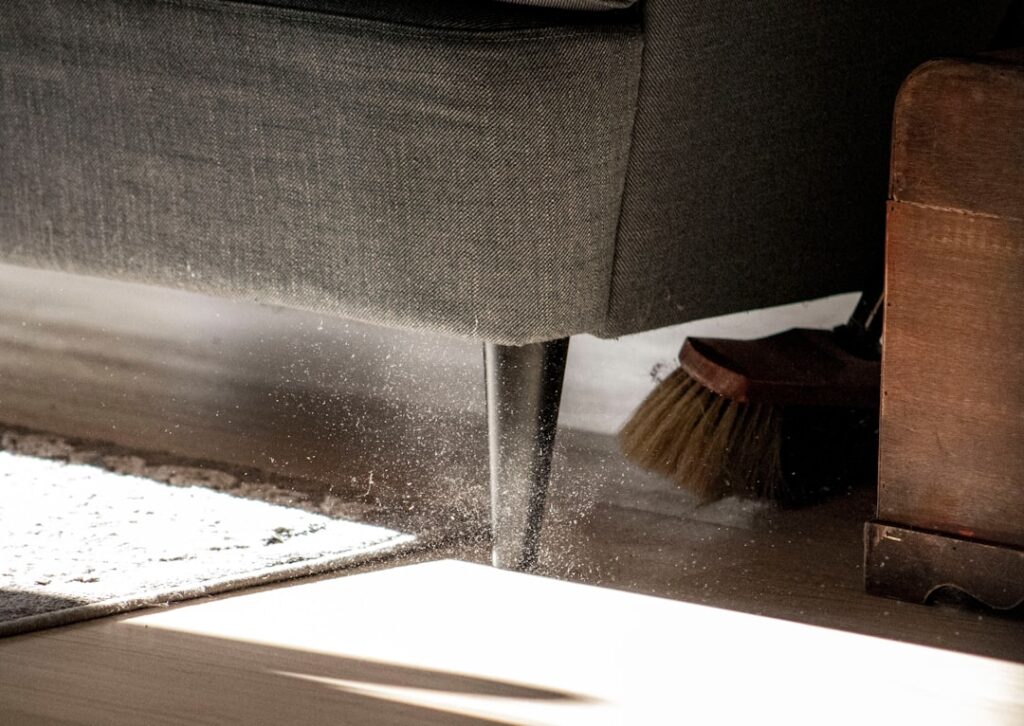
Every proper carpet cleaning begins before any water touches the fibers. A professional first inspects the carpet, identifying fiber type, heavy-traffic lanes, and specific stains that need targeted treatment. Then comes thorough vacuuming, the most under-appreciated step of all. Roughly 80 percent of the soil in a carpet is dry, gritty dirt, and if you don’t vacuum it out first, adding water simply turns it to mud that’s much harder to remove. Slow, multi-directional vacuuming lifts this dry soil so the wet cleaning that follows can focus on oils, residue, and stains. Skipping or rushing this step is the number-one reason DIY cleaning disappoints.
Step 2: Pre-Treatment and Spot Work
With dry soil gone, the next step is applying a pre-treatment, or pre-spray, across the carpet and especially in traffic lanes. This is a cleaning solution that penetrates the fibers and begins breaking down oils, grease, and embedded grime. It needs dwell time, usually 5 to 15 minutes, to work; rushing straight to extraction without letting the pre-spray sit leaves much of the soil bonded to the fiber. Individual tough stains, pet accidents, red wine, coffee, get separate spot treatments matched to the stain type, such as an enzymatic cleaner for pet messes. Treating stains now, before deep cleaning, prevents them from being set permanently by the process.
Step 3: Agitation
After the pre-spray dwells, the carpet is agitated with a grooming brush or a machine’s counter-rotating brushes. Agitation works the solution down to the base of the fibers and loosens soil that’s clinging to each strand, much like scrubbing helps a pre-soaked pan. This mechanical action dramatically improves how much dirt the extraction step can pull out, particularly in matted, high-traffic areas where soil is packed deep in the pile.
Step 4: Extraction (the Main Clean)
Extraction is where the loosened soil and solution actually leave the carpet, and it’s the heart of the carpet cleaning process. In hot water extraction, the most common and effective method, the machine injects hot water and cleaning solution into the carpet under pressure, then immediately vacuums it back out along with the suspended dirt. The technician works in overlapping rows, spraying on the forward stroke and extracting on the pull-back, then makes additional dry-extraction passes with no spray to pull out as much moisture as possible. Thorough extraction is critical: leftover water and detergent lead to slow drying, mildew risk, and sticky residue that re-attracts dirt fast.
The Main Cleaning Methods Compared
Not all carpet cleaning uses the same method. The main approaches:
- Hot water extraction (steam cleaning): The industry standard and most thorough method, using hot pressurized water and extraction. Best for deep cleaning and most carpet types; requires longer drying.
- Encapsulation: A low-moisture method where a cleaning solution crystallizes around soil, which is then vacuumed away. Fast-drying and good for maintenance cleaning of commercial carpet.
- Bonnet cleaning: A spinning absorbent pad cleans the carpet surface. Quick and low-moisture but only cleans the top of the pile, best for interim refreshes.
- Dry compound cleaning: An absorbent compound is worked in and vacuumed out, allowing near-immediate use. Low moisture but less deep than extraction.
- Shampooing: An older method using foaming detergent; effective at loosening soil but can leave residue if not fully extracted.
For a genuine deep clean at home, hot water extraction gives the best results; low-moisture methods suit quick refreshes and situations where fast drying is essential.
Step 5: Drying
Drying is a step people forget is part of the process, but how the carpet dries determines whether the clean lasts. After extraction, the carpet should dry as quickly as possible, ideally within 6 to 12 hours and no more than 24. Speed the process with fans, open windows, air movers, and running the HVAC. A carpet left damp too long can develop mildew, odor, and even backing damage, and walking on a wet carpet re-soils it immediately. The best insurance against slow drying is thorough extraction in the first place, pulling out water beats trying to evaporate it later. Avoid replacing furniture until the carpet is fully dry, using foil or blocks under legs if you must set anything back early.
Step 6: Post-Cleaning and Protection
The final stage sets up the next cleaning cycle. Once dry, grooming the carpet pile with a rake stands the fibers up for even drying and a uniform appearance. Many professionals then apply a fabric protector, a treatment that coats the fibers so future spills bead up and resist staining, making the carpet easier to keep clean until the next deep clean. A final walk-through checks that treated stains are fully gone and the carpet looks uniform.
How Often to Run the Process
Frequency depends on your household. Most manufacturers recommend a full deep clean every 12 to 18 months to maintain appearance and warranty coverage. Homes with pets, kids, allergy sufferers, or heavy traffic benefit from every 6 to 12 months. Between deep cleans, weekly vacuuming and prompt spot treatment carry the load, keeping soil from building up to the point where only extraction can rescue the carpet. Regular light maintenance means each deep clean has less work to do and the carpet stays fresher year-round.
The Bottom Line
The carpet cleaning process is a deliberate sequence: inspect and vacuum, pre-treat and spot-clean, agitate, extract, dry quickly, and protect. Each step builds on the last, and skipping any of them, especially the initial vacuuming and the final drying, undermines the whole job. Understand the method you’re using, avoid over-wetting, and pair professional or DIY deep cleans with consistent vacuuming, and your carpet will stay clean, fresh, and long-lasting.