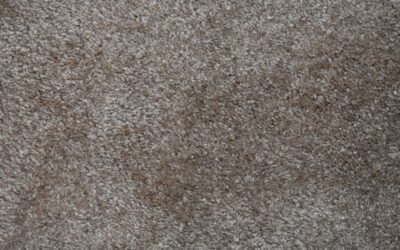
Walk into any flooring store and you will be handed a stack of samples grouped under names that mean almost nothing on their own. A carpet collection is simply a manufacturer’s grouping of carpet styles that share a fiber type, construction quality, or design theme, and learning to decode one saves you from paying premium prices for features you do not need. The label on the back of each sample tells you far more than the marketing name on the front. Once you understand fiber, pile style, face weight, and density, you can compare any two collections objectively and buy the right carpet for the way each room in your home actually gets used.
What a Carpet Collection Really Is
Manufacturers bundle their products into collections to make shopping easier and to hit specific price points. A budget collection might feature lighter face weights and standard polyester, while a premium collection uses denser construction, branded stain-resistant fibers, and thicker padding recommendations. Two carpets from the same collection usually share the same warranty terms and fiber system but differ in color and surface texture.
The important thing to understand is that “collection” is a merchandising term, not a quality guarantee. A good collection makes it easy to compare apples to apples, but you still need to read the spec sheet to know whether a given style will hold up in your busiest hallway or mat down within two years. Retailers also use collection names to steer you toward a price tier, so do not assume a “premium” or “designer” label automatically means better construction. The numbers on the back of the sample are what matter.
Fiber Types Drive Everything
Fiber is the single biggest factor in how a carpet performs and what it costs. Most residential collections are built around one of four fibers.
- Nylon: The most durable and resilient option, ideal for stairs and high-traffic areas. Expect $3 to $8 per square foot. It resists crushing and cleans well but costs the most.
- Polyester (PET): Soft, richly colored, and stain-resistant to water-based spills. Runs $1 to $5 per square foot but crushes faster than nylon in busy zones.
- Triexta: A newer fiber marketed for durability and built-in stain resistance, priced between polyester and nylon at $2 to $6 per square foot.
- Polypropylene (olefin): Budget-friendly and moisture-resistant, common in loop and berber styles for basements. Around $1 to $4 per square foot but the least resilient.
For a family home, nylon on the stairs and in main hallways is money well spent, while polyester or triexta works nicely in bedrooms where traffic is lighter and softness matters more than resilience. Pay attention to whether the stain resistance is built into the fiber or applied as a topical treatment. Solution-dyed and inherently stain-resistant fibers keep their protection for the life of the carpet, whereas a sprayed-on treatment wears off and needs to be reapplied after cleanings.
Pile Styles Within a Collection
Within one collection you will often find several pile styles, and each behaves differently underfoot. The style you choose affects how the carpet hides footprints, how it feels, and how it wears.
- Plush (velvet): Smooth, cut-pile surface with a formal look. Shows footprints and vacuum marks.
- Saxony: Similar to plush but with twisted fibers, slightly more durable.
- Frieze: Tightly twisted fibers that curl at the surface, excellent at hiding tracks and wear. A strong pick for family rooms.
- Berber and loop: Uncut loops that resist crushing, ideal for high-traffic and basement use, though snags can run.
- Textured: The all-purpose middle ground, hiding dirt and footprints while staying soft.
Reading Face Weight and Density
Two numbers on the spec sheet predict durability better than any marketing claim. Face weight measures the ounces of fiber per square yard; residential carpet typically ranges from 30 to 60 ounces. Higher is generally better, but only when paired with good density.
Density measures how tightly the fibers are packed. A denser carpet resists matting and crushing because there is simply less room for the pile to lie over. To gauge density, press your fingers into the sample; if you easily feel the backing, the carpet is thin and will wear faster. A face weight of 45 ounces or more with high density is a solid target for main living areas, while 30 to 40 ounces is acceptable for bedrooms.
Matching Collections to Rooms
The smartest shoppers do not buy one carpet for the whole house. They match collection features to the demands of each space. A high-traffic staircase needs a dense nylon frieze or textured cut pile that shrugs off constant use. Bedrooms can take a plush or soft polyester where comfort outranks toughness. Basements do best with moisture-resistant olefin loop or modular carpet tiles that tolerate humidity.
If you want a consistent look throughout, choose two or three styles from the same collection in coordinating colors. Because they share a fiber system and warranty, they age at a similar rate and the transitions between rooms look intentional rather than mismatched.
Padding Is Part of the Package
No carpet collection performs to its rating without the right pad underneath. Padding cushions foot traffic, absorbs impact, and directly affects how long the carpet lasts. For cut-pile styles, use a pad no thicker than 7/16 inch with a density of at least 6 pounds. Berber and loop styles need a firmer, thinner pad of 3/8 inch to prevent the backing from flexing and delaminating.
Skimping on pad is a false economy. A quality pad costs $0.30 to $0.60 per square foot and can add years to a mid-range carpet, while a cheap thin pad lets even an expensive carpet crush and wear prematurely. Many warranties are voided outright if the manufacturer’s minimum pad specification is not met.
How to Compare Samples Like a Pro
Take samples home before you commit, because showroom lighting flatters everything. Lay each swatch on the actual floor and look at it under both daylight and your evening lamps, since carpet color shifts noticeably between the two. Set the sample next to your wall color, furniture, and any wood flooring it will meet at a doorway so you can judge the transition.
Then test the physical construction. Fold the sample face-out; if the backing grins through easily, the pile is sparse and will crush. Rub your palm hard across the surface a dozen times to see whether fibers shed or the texture flattens. Bend a loop-pile sample to check that the loops are anchored tightly. These thirty-second tests reveal more about real-world durability than any glossy brochure that comes with the collection.
Warranties and What They Cover
Collections advertise several warranty types, and it pays to know the difference. A wear warranty covers fiber loss, usually defined as losing more than 10 percent of the pile, and often runs 10 to 25 years. Stain and soil warranties cover specific spills but frequently exclude common culprits like bleach, pet urine, and mustard. Texture retention warranties address matting and crushing.
Read the fine print, because most warranties require professional installation, documented professional cleaning every 12 to 18 months, and the correct pad. Keep your receipts. A generous-sounding 25-year warranty is only useful if you follow the maintenance conditions attached to it. Comparing warranty terms across collections is often the tiebreaker when two carpets look and feel similar in the showroom.