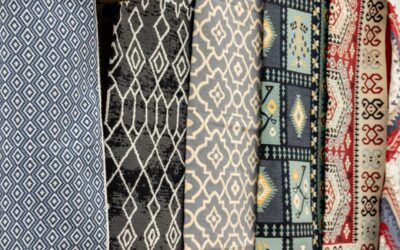
Choosing the right carpet colors is one of the most impactful decisions in any room — carpet covers more visual area than any other surface, sets the foundation for your entire color scheme, and affects everything from how spacious a room feels to how well it hides daily wear and dirt. The wrong color can make a room feel smaller, darker, or perpetually dirty, while the right choice creates a cohesive, inviting space that looks great for years.
This guide walks you through how to choose carpet colors by room type, the trending colors for 2026, the practical trade-offs between light and dark carpet, which colors hide dirt best, and what real estate experts recommend for maximum resale value.
Trending Carpet Colors for 2026
The dominant carpet color trends in 2026 reflect a broader shift toward warm, earthy tones and nature-inspired palettes. Cool grays that dominated the previous decade are fading in popularity, replaced by warmer neutrals that create cozier, more inviting spaces.
Warm neutrals: Beige, warm taupe, and creamy off-white tones are the single most popular carpet color family in 2026. These warm neutrals work with virtually any wall color, furniture style, and decor — offering the flexibility that homeowners increasingly prioritize over bold statements.
Greige: The gray-beige hybrid known as greige continues to perform strongly in 2026. Greige offers the modern sophistication of gray with the warmth of beige, making it the ideal bridge between cool and warm design schemes. It is particularly popular in open-concept homes where the carpet must coordinate with multiple adjacent rooms.
Blue-gray: Soft blue-gray tones have emerged as a popular alternative to pure gray, adding subtle color depth without the coldness of true gray. Blue-gray carpet pairs beautifully with white trim, navy accents, and natural wood furniture — a combination that dominates coastal and modern farmhouse interiors.
Warm brown and caramel: Rich brown tones are making a strong comeback in 2026, driven by the broader return to warm, earthy interiors. Caramel, cocoa, and warm brown carpets add depth and sophistication to bedrooms, studies, and formal living rooms.
Sage and olive: Muted green tones are a trending accent color for carpet in 2026, particularly in bedrooms and home offices. Sage green carpet creates a calming, nature-connected atmosphere that supports the biophilic design movement.
| Color Trend | Best Rooms | Pairs With | Mood |
|---|---|---|---|
| Warm neutrals (beige, taupe) | All rooms | Any wall color, wood tones | Warm, versatile, timeless |
| Greige | Living room, hallways | White trim, mixed metals | Modern, balanced |
| Blue-gray | Bedrooms, living rooms | White, navy, natural wood | Calm, coastal, sophisticated |
| Warm brown | Bedrooms, studies | Cream walls, leather, gold | Rich, cozy, grounded |
| Sage green | Bedrooms, home offices | White, cream, natural wood | Calming, nature-inspired |
How to Choose Carpet Color by Room
Bedrooms
Bedrooms are the best rooms for personal color expression in carpet. Because bedrooms are private, low-traffic spaces, you can prioritize mood and aesthetic over practicality. Soft, warm tones — cream, light beige, soft blue-gray, and muted sage — create a restful atmosphere conducive to sleep. Darker colors like charcoal and deep brown add drama and intimacy to master bedrooms. Learn more in our carpet for bedroom guide.
Living Rooms
Living rooms demand the most carefully considered carpet color because they are the most visible, highest-traffic carpeted space in most homes. Neutral tones (greige, warm taupe, medium beige) offer the most versatility for furniture changes and seasonal decor updates. Avoid very light colors in living rooms — they show every footprint, spill, and pet hair. Medium-tone neutrals hide daily wear best. See our carpet for living room guide for additional selection advice.
Hallways and Stairs
Hallways and stairs receive the most concentrated foot traffic in a home. Choose medium-tone colors with heathered or multi-toned patterns that disguise wear paths and dirt. Avoid solid light colors that show traffic lanes within months. Patterned carpet (tone-on-tone geometric or subtle stripes) is an excellent choice for stairs where wear is most visible.
Basement and Bonus Rooms
Basements typically have less natural light, making lighter carpet colors preferable to prevent the space from feeling cave-like. Light beige, cream, and soft gray open up basement rooms and reflect what artificial light is available. If the basement is primarily a media room or game room, darker colors can work because ambient lighting is intentionally low.
Home Office
Home offices benefit from carpet colors that promote focus and reduce visual distraction. Neutral tones (greige, warm gray, soft beige) create a professional backdrop for video calls. Avoid bold colors or busy patterns that may distract or appear unprofessional on camera.
Light vs Dark Carpet: Pros & Cons
| Factor | Light Carpet | Dark Carpet |
|---|---|---|
| Room appearance | Makes rooms feel larger and brighter | Makes rooms feel cozier and more intimate |
| Dirt visibility | Shows dark dirt, pet hair, stains | Shows lint, light dust, pet hair (light-colored) |
| Wear visibility | Traffic patterns less visible | Traffic patterns more visible (crushing) |
| Stain risk | High — every spill is visible | Lower for dark stains; bleach spots show |
| Natural light | Reflects and amplifies light | Absorbs light; needs good lighting |
| Resale appeal | Higher — preferred by most buyers | Niche — appeals to specific styles |
| Maintenance | Requires frequent cleaning | Requires frequent vacuuming for lint |
| Best rooms | Bedrooms, basements, small rooms | Master suites, media rooms, studies |
The most practical compromise is a medium-tone carpet in a heathered or multi-tonal color. Medium tones disguise both light and dark debris, show less wear, and offer the flexibility of pairing with either light or dark furniture and wall colors.
Best Carpet Colors for Hiding Dirt
If hiding dirt, pet hair, and daily wear is your top priority, the following color strategies work best:
Best overall: Medium-tone greige, warm taupe, or multi-toned beige. These colors camouflage both dark dirt and light lint effectively.
Best for pet owners: Choose a carpet color that closely matches your pet’s hair. Homes with golden or tan dogs should lean toward warm beige; homes with dark dogs should consider charcoal or brown. Multi-toned and flecked carpets hide pet hair best regardless of color.
Best for high traffic: Heathered or berber-style carpet in medium tones disguises compression marks and dirt accumulation in traffic lanes.
Worst for hiding dirt: Solid white, solid cream, solid black, and solid dark navy show every particle. If you love the look of a very light or very dark carpet, invest in a high-quality vacuum and plan for frequent cleaning.
Matching Carpet with Walls & Furniture
The 60-30-10 rule provides a reliable framework for coordinating carpet with your room’s color scheme. Carpet (60% of visual area) should be the dominant neutral, walls (30%) should complement the carpet in a lighter or contrasting tone, and accent pieces — pillows, art, throws — provide the remaining 10% of bold color.
Contrast is key. If your walls are light (white, light gray, pale blue), a medium or slightly darker carpet grounds the room. If your walls are dark or bold, a lighter carpet prevents the room from feeling heavy and closed-in.
Test in your space. Always view carpet samples in the actual room where they will be installed, under the room’s specific lighting conditions. Carpet can look dramatically different under warm incandescent light versus cool LED light versus natural sunlight. Bring home large samples (at least 12×12 inches) and view them at floor level — not on a countertop — against your existing walls and furniture.
Cool with cool, warm with warm. Warm-toned carpet (beige, taupe, brown) pairs best with warm wall colors and wood tones. Cool-toned carpet (gray, blue-gray) pairs best with cool whites, blue-gray walls, and chrome or silver accents. Mixing warm carpet with cool walls (or vice versa) can create an unsettled, discordant feeling.
Best Carpet Colors for Resale Value
If you are installing carpet with an eye toward selling your home within 5 years, real estate agents consistently recommend the following approach:
Go neutral. Warm beige, greige, and light taupe are the safest choices for resale. These colors appeal to the widest range of buyers, coordinate with any furniture, and photograph well for listing photos.
Avoid bold colors. Red, bright blue, green, and other strong colors are personal preferences that turn off more buyers than they attract. Bold carpet signals “I will need to replace this” to prospective buyers, reducing perceived value.
Avoid pure white. While bright and clean-looking in photos, pure white carpet signals high maintenance and inevitable staining to experienced buyers. Off-white and cream are better alternatives that read as fresh without the maintenance stigma.
Match the neighborhood standard. Walk through comparable homes for sale in your area. If every home has gray-toned carpet, installing warm beige may feel dated by comparison (and vice versa). Matching the local trend maximizes buyer appeal.
Color by Carpet Type
Plush/saxony: Solid colors show the most in plush carpet because the dense, uniform pile surface makes any color variation or dirt highly visible. Light to medium neutrals work best. Dark plush carpet shows every footprint and vacuum mark.
Berber/loop: Multi-toned and flecked colors are a berber strength — the looped construction naturally disguises color variation, dirt, and wear. Berber is the best carpet type for heathered medium tones.
Frieze/twist: The twisted, textured pile hides footprints and vacuum marks well, making frieze suitable for both lighter and darker colors. Frieze in medium tones is particularly forgiving.
Patterned: Patterned carpet (geometric, striped, tone-on-tone) disguises wear and dirt effectively regardless of base color. Patterns add visual interest and allow bolder color choices in rooms that might otherwise feel flat with solid carpet.
For comprehensive carpet selection guidance, visit our carpet flooring hub.
Common Color Selection Mistakes
Choosing based on a small swatch: A 2-inch swatch looks nothing like 300 square feet of installed carpet. Always request room-size samples or large swatches (12×12 minimum) to evaluate the color at scale.
Ignoring undertones: Every carpet has an undertone — warm (yellow, red, orange) or cool (blue, green, purple). A “gray” carpet with pink undertones will clash with blue-gray walls. Always identify the undertone before committing.
Matching too exactly: Carpet that exactly matches the wall color creates a flat, monotonous look. Aim for complementary contrast rather than exact matching — a room needs tonal variation to feel dynamic and well-designed.
Choosing in the store: Store lighting (bright fluorescent) bears no resemblance to your home’s lighting. Always evaluate samples in the actual room, under the actual lighting, at floor level.
Frequently Asked Questions
What is the most popular carpet color in 2026?
Warm neutrals — specifically warm beige, taupe, and greige — are the most popular carpet colors in 2026. The trend has shifted away from the cool grays that dominated 2015-2022, moving toward warmer, earthier tones that create cozier spaces.
What carpet color makes a room look bigger?
Light colors — cream, light beige, soft gray — make rooms appear larger by reflecting light and creating a sense of openness. For the strongest effect, keep the carpet color close to (but not exactly matching) the wall color to blur the boundary between floor and walls.
What color carpet hides dirt best?
Medium-tone greige, warm taupe, and multi-toned beige hide dirt best. Solid light and solid dark colors both show debris prominently. Heathered or multi-tonal carpet in any medium shade outperforms solid colors for dirt concealment.
Should carpet be lighter or darker than walls?
Carpet is typically one to two shades darker than the walls, which creates a natural grounding effect. Lighter carpet with darker walls works in small rooms where you want to create a sense of spaciousness, but this combination is less common and harder to execute well.
Is gray carpet going out of style?
Pure cool gray carpet is declining in popularity as of 2026, replaced by warmer alternatives like greige, warm taupe, and beige. However, warm-toned grays and blue-grays remain relevant. Gray is not “out” — it has simply evolved toward warmer iterations.
What carpet color is best with white walls?
White walls offer maximum flexibility. Warm beige, greige, soft blue-gray, and medium brown all pair beautifully with white walls. The key is matching the undertone — warm whites pair with warm carpet tones, while crisp cool whites pair with cool gray or blue-gray carpet.