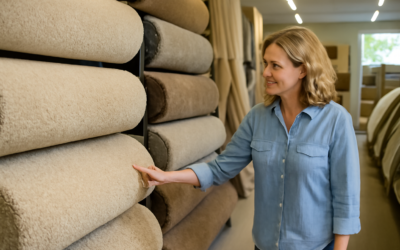
Most carpet complaints trace back to two decisions made before the carpet ever arrives: the wrong fiber for the room, and cheap padding underneath. Smart carpet purchase and installation means choosing the right materials for your traffic and budget, then ensuring the install is done correctly so the carpet performs as designed. Get both right and a quality carpet will look good and feel plush for a decade or more.
Understanding Carpet Fibers
Fiber type is the foundation of carpet performance. Each has distinct strengths, and matching the fiber to the room is the first decision.
- Nylon: the most durable and resilient fiber, ideal for high-traffic areas and stairs. Resists crushing and bounces back well.
- Polyester (PET): soft, stain-resistant, and budget-friendly, but less resilient under heavy traffic.
- Triexta: a newer fiber with excellent stain resistance and durability, often marketed for families and pets.
- Olefin (polypropylene): moisture and fade resistant, common in basements and loop styles, but prone to crushing.
- Wool: natural, luxurious, and durable, but the most expensive and demanding to maintain.
Carpet Styles and Pile
Beyond fiber, the construction style affects look, feel, and durability. The pile is how the fibers are attached and finished.
- Cut pile: fibers cut at the tips for a soft, plush surface; includes plush, Saxony, and frieze.
- Loop pile: uncut loops that resist crushing, like Berber, great for traffic but can snag.
- Cut and loop: a mix that hides dirt and adds texture.
Frieze, with its twisted, tousled fibers, hides footprints well, while smooth plush shows every track. Choose based on how forgiving you need the surface to be.
Do Not Skimp on Padding
Padding is the unsung hero of carpet performance. The right pad extends carpet life, improves comfort, and provides insulation and sound dampening. Too thick or too soft a pad, however, can cause the carpet to flex and wear prematurely.
For most residential carpet, choose a pad around 7/16 inch thick with a density of 6 to 8 pounds. High-traffic areas and stairs benefit from firmer, denser padding. Many carpet warranties actually require a minimum pad spec, so confirm it before buying. Reusing old, compressed padding is a false economy that shortens the life of new carpet.
Costs to Budget
Carpet is one of the more affordable flooring options, but the total includes more than the carpet roll. Plan for these USD ranges:
- Carpet material: $1 to $5 per square foot for builder-grade to mid-range, $5 to $12 plus for premium and wool.
- Padding: $0.30 to $1 per square foot.
- Installation labor: $0.50 to $1.50 per square foot.
- Old carpet removal and disposal: often $1 to $2 per square yard if not included.
Ask whether quotes are per square foot or per square yard, since carpet is sometimes priced per yard, and one square yard equals nine square feet.
Measuring and Buying
Carpet comes in rolls, typically 12 feet wide, which affects seam placement. Measure each room’s length and width, add a waste factor for cuts and seams, and let the retailer create a seaming diagram. Plan seams away from high-traffic paths and main sightlines where possible. Buying from a single dye lot avoids subtle color mismatches between rolls, just as with hard flooring.
What to Expect on Installation Day
Professional carpet installation is fast but involves several steps. Knowing the sequence helps you spot a quality job.
- The crew removes old carpet and pad and inspects the subfloor.
- Tack strips are installed around the room perimeter.
- New padding is laid, seamed, and stapled or glued down.
- Carpet is rolled out, seamed with heat tape, and stretched with a power stretcher.
- Edges are tucked and trimmed at walls and transitions.
The power stretcher matters. A carpet that is merely kicked into place rather than power-stretched will ripple and buckle within months. Ask whether the installer uses a power stretcher; it is the mark of proper work.
Pros and Cons of Carpet
Carpet remains the right choice for many rooms, with clear tradeoffs.
Pros
- Warm, soft, and quiet underfoot, ideal for bedrooms and family rooms.
- Affordable compared with most hard flooring.
- Slip-resistant and cushioning, safer for kids and seniors.
Cons
- Traps allergens and stains more readily than hard surfaces.
- Wears in traffic lanes over time.
- Poor choice for kitchens, baths, and damp basements.
Understanding Carpet Warranties
Carpet warranties sound reassuring but come with conditions worth understanding before you buy. Common coverage types include stain resistance, wear or abrasion, texture retention, and matting and crushing. Each has its own term and its own fine print, and many require specific padding, professional installation, and documented periodic cleaning to remain valid.
Read the warranty carefully and keep your receipts and cleaning records. A texture-retention warranty, for example, may only apply if you have the carpet professionally cleaned every 12 to 18 months. Knowing these requirements upfront ensures you do not unknowingly void coverage, and it helps you compare products honestly, since a longer warranty with strict conditions is not always better than a shorter, simpler one.
Caring for New Carpet
The way you treat carpet in its first months sets the tone for its lifespan. Vacuum regularly, at least weekly in living areas and more often in high-traffic lanes, using the correct height setting so the brush agitates the fibers without grinding them down. Address spills immediately by blotting, never rubbing, which pushes the stain deeper and distorts the pile.
Use walk-off mats at entries to trap soil before it reaches the carpet, and rotate furniture occasionally so traffic patterns and indentations do not become permanent. Schedule professional hot-water extraction cleaning every 12 to 18 months, both to maintain appearance and to satisfy warranty requirements. This simple routine keeps carpet looking newer far longer and protects the investment you made in fiber and padding.
The Bottom Line
Carpet purchase and installation reward attention to three things: the right fiber for your traffic, quality padding that meets the warranty spec, and a professional install finished with a power stretcher. Match nylon or triexta to busy areas, budget realistically including pad and removal, and insist on proper stretching. Do that, and your carpet will stay plush, tight, and comfortable for many years.