When you are painting a room, moving furniture, or managing a full renovation, keeping the carpet clean can feel impossible. That is exactly the problem carpet shield self-adhesive film was designed to solve. This clear, sticky-backed plastic film rolls directly onto carpet, clinging in place to guard against paint drips, muddy boots, dropped tools, and construction dust. Used correctly, it saves carpet from stains that would otherwise mean an expensive replacement. This guide explains how the film works, how to apply and remove it cleanly, and how to get the most protection for your money.
- What Is Carpet Shield Self-Adhesive Film?
- When to Use Carpet Shield Film
- How Long Can the Film Stay Down?
- How to Apply Carpet Shield Self-Adhesive Film
- How to Remove the Film Cleanly
- Coverage, Cost, and Choosing a Roll
- Tips for the Best Protection
- Alternatives and When to Use Them
- Final Thoughts on Carpet Shield Self-Adhesive Film
What Is Carpet Shield Self-Adhesive Film?
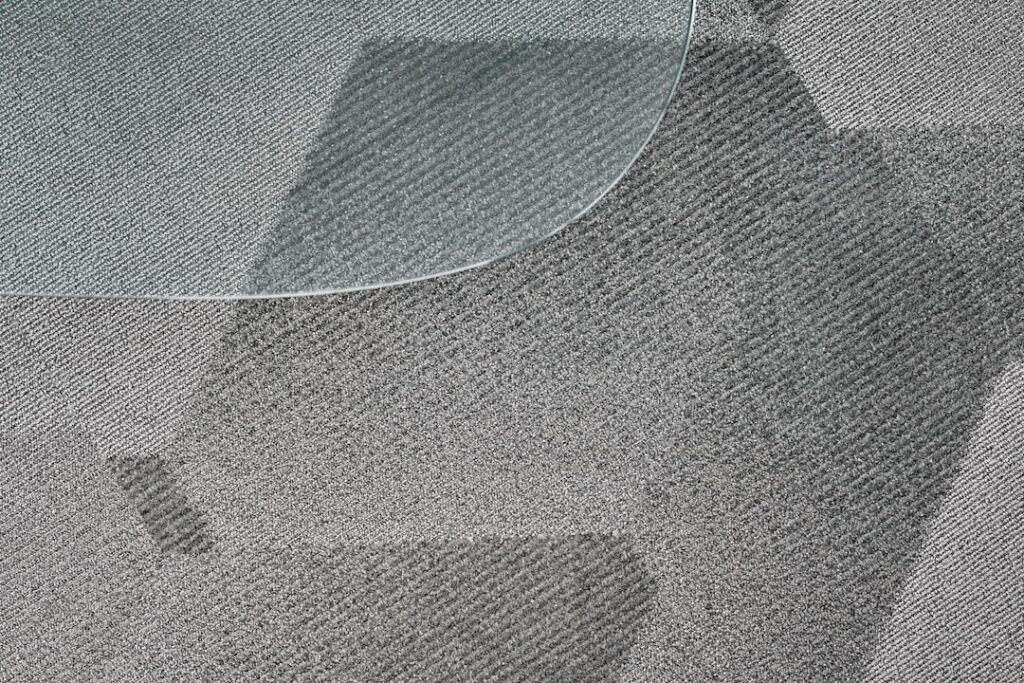
Carpet shield self-adhesive film is a thin, transparent polyethylene sheet with a low-tack adhesive on one side. You roll it out over carpet, adhesive-side down, and it grips the fibers firmly enough to stay put during heavy activity, yet peels away cleanly when the job is done. Unlike loose drop cloths or plastic sheeting that shifts and bunches underfoot, the adhesive keeps the film locked in place, so there are no gaps for paint or dirt to sneak through.
The film is typically sold in rolls of varying widths and lengths, and it is puncture and tear resistant enough to handle foot traffic, rolling equipment, and dropped tools. Its clear color lets you still see the carpet beneath, which helps when positioning furniture or working around edges.
When to Use Carpet Shield Film
This film earns its keep any time carpet is at risk. Common scenarios include:
- Interior painting: Protects against drips, spatter, and accidental spills of paint and primer.
- Renovations and remodeling: Shields carpet from dust, debris, and dropped materials during construction.
- Moving day: Guards high-traffic paths from muddy shoes, scuffs, and furniture drags.
- Open houses and staging: Keeps carpet pristine while many people walk through.
- Trade and contractor work: Lets plumbers, electricians, and installers work without soiling finished carpet.
- Holiday and event hosting: Temporarily protects light carpet in high-traffic entry areas.
Anywhere carpet meets mess or heavy foot traffic for a limited time, this film provides a fast, reliable barrier that is far cheaper than cleaning or replacing ruined carpet.
How Long Can the Film Stay Down?
Most carpet shield films are rated to remain in place for a specific window, commonly up to about 30 to 45 days, before the adhesive should be removed. Leaving it down longer than the manufacturer recommends risks the adhesive bonding too strongly or leaving residue when you finally peel it up. For a weekend paint job or a week-long remodel, the film is perfectly safe and removes cleanly.
Always check the specific product’s rated duration and follow it. If your project runs long, plan to replace the film rather than pushing a single application well past its recommended limit. This simple habit is the key to a residue-free removal later.
How to Apply Carpet Shield Self-Adhesive Film
Application is straightforward, but a few techniques ensure it goes down smoothly and protects fully. Follow these steps:
- Vacuum first: Clean the carpet so the adhesive grips fibers, not loose dirt that would weaken the bond.
- Start at a wall: Begin at one edge of the room and unroll the film across the carpet, adhesive-side down.
- Press as you go: Smooth and press the film into the carpet with your hands or feet so it adheres firmly.
- Overlap the seams: Overlap each successive strip by a couple of inches so no carpet is exposed between rows.
- Trim the edges: Cut the film to fit around corners, doorways, and obstacles with scissors or a utility knife.
- Seal high-risk spots: Add extra overlap or press seams firmly in areas that will see the most traffic or paint.
Work methodically and keep the film taut but not stretched. Pressing it well into the pile is what gives it the grip to stay put under heavy use, so do not skip that step.
How to Remove the Film Cleanly
Clean removal is the whole point, and it is easy when done right. Remove the film within the manufacturer’s recommended time window, and peel it up slowly at a low angle, pulling it back over itself rather than straight up. Work from one edge across the room, gathering the used film as you go. Because the adhesive is low-tack, it should release from the carpet fibers without pulling them or leaving residue behind.
If you ever encounter slight tackiness after removal, a vacuum usually lifts any remaining fibers back to normal, and the low-tack formula is specifically designed to avoid gummy leftovers. The most common cause of removal problems is leaving the film down far too long, so timing is your best protection against residue.
Coverage, Cost, and Choosing a Roll
Carpet shield film is sold by the roll, commonly in widths around 24 to 36 inches and lengths of 200 feet or more. A single large roll can cover several hundred square feet, and prices typically range from about 20 to 60 dollars per roll depending on size and thickness. For a standard room, one roll is often plenty, while a whole-house project may need several.
When choosing, consider the film thickness, measured in mils, for heavier jobs. Thicker film resists punctures from dropped tools and sharp furniture legs better, making it worth the small extra cost during real construction. For light protection during painting, a standard-thickness film is usually sufficient. Measure your square footage, add extra for overlap, and buy a bit more than you think you need so you are not left with exposed gaps.
Tips for the Best Protection
A few extra habits maximize the film’s effectiveness. Always vacuum before applying so the adhesive bonds well. Overlap seams generously in the direction of foot traffic so nothing catches an edge and peels. In doorways and transition zones, press the film down extra firmly since those spots see the most wear. Avoid applying the film to damp carpet, which weakens the bond. And keep a utility knife handy to trim neatly around fixtures for full, gap-free coverage.
Alternatives and When to Use Them
While carpet shield self-adhesive film is the cleanest, most secure option for protecting carpet, it helps to know the alternatives and when each makes sense. Canvas drop cloths are reusable and absorbent, good for catching paint drips in a spot where you are standing still, but they shift underfoot and let dust and liquids seep through at the edges, so they are best for small, contained tasks rather than whole-room protection. Plastic sheeting is cheap and covers large areas, but without adhesive it slides around, bunches, and becomes a slipping hazard, making it a poor choice for high-traffic paths.
Ram board and heavy paper products protect against dropped tools and heavy traffic better than film, and they are a good pick when the main risk is impact rather than liquids, though they do not seal against spills. For the specific job of keeping carpet clean and stain-free during painting, moving, or renovation, the self-adhesive film remains the standout because it stays put, seals against drips, resists tears, and removes cleanly. Many professionals combine methods, using adhesive film across the floor and ram board in doorways or under heavy equipment. Choosing the right protection for the specific risk saves both money and cleanup, and often the film is the simplest, most reliable answer.
Final Thoughts on Carpet Shield Self-Adhesive Film
For anyone painting, renovating, moving, or hosting, carpet shield self-adhesive film is an inexpensive insurance policy against the stains and damage that would otherwise cost far more to fix. It sticks firmly during the job, resists tears and punctures, and peels away cleanly when applied and removed within its rated time. Vacuum first, overlap your seams, press it into the pile, and remove it on schedule for a residue-free finish. A single roll and a few minutes of effort can spare your carpet from paint drips and muddy boots, keeping it looking new long after the project wraps up.