
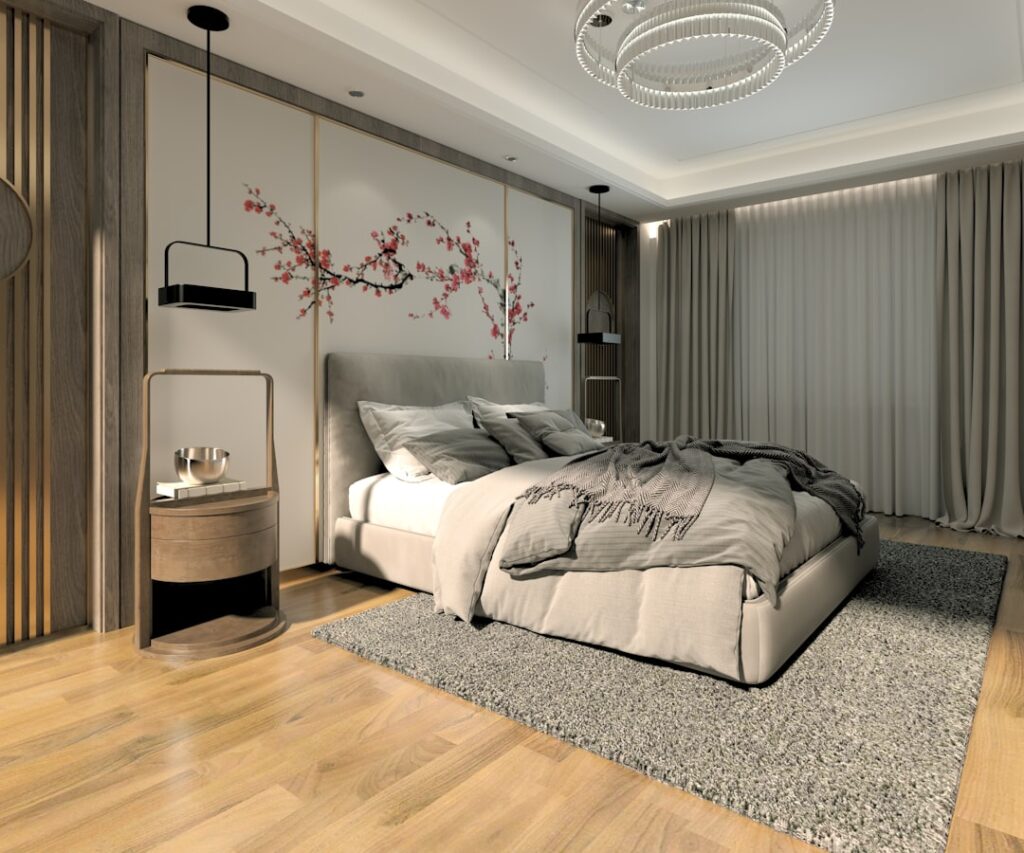
The carpet vs laminate decision comes down to comfort versus practicality. Carpet delivers warmth, softness, and sound absorption that laminate cannot match, while laminate offers easier maintenance, better durability, and superior moisture resistance. Both are budget-friendly options, but they excel in very different environments.
- Carpet vs Laminate: Quick Comparison
- Comfort & Feel Underfoot
- Durability & Lifespan
- Noise & Sound Performance
- Allergens & Indoor Air Quality
- Maintenance & Cleaning
- Cost Comparison: Carpet vs Laminate
- Installation Comparison
- Pet Performance: Carpet vs Laminate
- Resale Value Impact
- Best Rooms for Carpet vs Laminate
- Frequently Asked Questions
This guide compares carpet and laminate across 12+ factors with clear recommendations for each room in your home.
Carpet vs Laminate: Quick Comparison
| Factor | Carpet | Laminate | Winner |
|---|---|---|---|
| Comfort underfoot | Very soft, warm, cushioned | Hard, can be cold | Carpet |
| Durability | 5 – 15 years | 15 – 25 years | Laminate |
| Scratch resistance | Not applicable | Good to excellent | Laminate |
| Stain resistance | Fair to good (with treatment) | Excellent | Laminate |
| Water resistance | Poor — absorbs moisture | Fair to good (waterproof models) | Laminate |
| Noise reduction | Excellent — absorbs sound | Poor to fair — can sound hollow | Carpet |
| Allergens | Traps dust, dander, pollen | Does not trap allergens | Laminate |
| Maintenance | Vacuum 2-3x/week, deep clean yearly | Sweep and damp mop weekly | Laminate |
| Material cost (per sq ft) | $1 – $8 | $1 – $5 | Tie |
| Installation cost (per sq ft) | $1 – $3 | $1.50 – $3 | Tie |
| DIY friendly | Difficult (stretching required) | Easy (click-lock floating) | Laminate |
| Pet friendly | Traps hair, absorbs accidents | Easy cleanup, scratch-resistant | Laminate |
| Resale value | Neutral to negative | Neutral to slightly positive | Laminate |
| Best for | Bedrooms, playrooms, quiet rooms | Living rooms, kitchens, hallways | Room dependent |
Comfort & Feel Underfoot
Carpet wins the comfort comparison decisively. The combination of soft fibers and cushioned padding creates a surface that is warm, quiet, and gentle on feet, joints, and knees. Walking barefoot on carpet is noticeably more comfortable than walking on laminate, especially in cold weather.
Carpet comfort advantages:
- Soft fiber surface for bare feet
- Padding layer absorbs impact, reducing joint stress
- Warm surface retains heat, does not feel cold in winter
- Provides a cushioned surface for sitting, playing, and falling (important for children)
Laminate comfort characteristics:
- Hard surface with no give underfoot
- Feels cold in unheated rooms (can be mitigated with radiant heat)
- Cork or foam underlayment adds minor cushioning
- Area rugs can be used to add soft zones over laminate
For bedrooms, nurseries, and rooms where bare-foot comfort is a priority, carpet is the clear choice. For rooms where durability and easy cleaning matter more than cushion, laminate performs better.
Durability & Lifespan
Laminate significantly outlasts carpet in most installations. Quality laminate flooring maintains its appearance for 15 to 25 years, while even premium carpet shows noticeable wear in 5 to 15 years.
| Durability Factor | Carpet | Laminate |
|---|---|---|
| Average lifespan | 5 – 15 years | 15 – 25 years |
| Traffic wear | Shows wear patterns (matting, crushing) | Resists wear in AC3-AC5 ratings |
| Fade resistance | Fair (fades in direct sun) | Good (UV-resistant surface layer) |
| Impact resistance | Excellent (cushioned) | Good (can chip from heavy drops) |
| Furniture marks | Permanent indentations from heavy items | Minimal marks with felt pads |
| High traffic areas | Wears quickly — 3 to 5 years in hallways | Handles well — 10+ years in hallways |
Carpet’s main durability weakness is matting and crushing in high-traffic paths. The fibers compress over time, creating visible wear lanes that no amount of cleaning can reverse. Laminate maintains a consistent appearance because its wear layer is a hard, printed surface that does not compress.
Learn more about each flooring type in our carpet flooring and laminate flooring guides.
Noise & Sound Performance
Carpet is one of the best sound-absorbing flooring materials available. Its soft fibers and padding act as acoustic insulation, reducing both airborne noise (voices, TV, music) and impact noise (footsteps, dropped objects).
Laminate, by contrast, can amplify sound. The hard surface and floating installation create a hollow sound chamber that makes footsteps louder and produces a distinctive “click-clack” noise. Underlayment helps but does not eliminate the issue.
| Sound Factor | Carpet | Laminate |
|---|---|---|
| Footstep noise | Quiet — absorbed by fibers and padding | Loud — hollow clicking sound |
| Sound transmission (to rooms below) | Significantly reduced | Noticeable (underlayment helps) |
| Room echo | Reduced — carpet absorbs sound | Increased — hard surface reflects sound |
| NRC rating (noise reduction coefficient) | 0.35 – 0.55 | 0.05 – 0.15 |
In multi-story homes, condominiums, and apartments, carpet on upper floors is significantly quieter for occupants below. Many HOAs and building codes require carpet or specific sound ratings for upper-level floors for this reason.
Allergens & Indoor Air Quality
This is where the carpet vs laminate debate gets complex. Carpet traps allergens, which can be viewed as either positive or negative depending on your perspective and cleaning habits.
Carpet and allergens:
- Carpet fibers trap dust, pollen, pet dander, and mold spores, keeping them out of the air you breathe — but only until the carpet is disturbed
- Walking on carpet releases trapped allergens back into the air
- Vacuuming with a HEPA-filtered vacuum removes most trapped allergens effectively
- Without regular vacuuming (2 to 3 times per week), carpet becomes a reservoir of allergens
- Carpet can harbor dust mites in the padding and fiber base
Laminate and allergens:
- Hard surface does not trap allergens — they sit on top and are easily swept or mopped away
- Allergens are more airborne with laminate because they are not trapped in fibers
- No habitat for dust mites
- Easier to achieve thorough allergen removal with less frequent cleaning
For allergy and asthma sufferers, laminate (and other hard-surface flooring) is generally recommended by allergists because it allows complete allergen removal with simple mopping. Carpet can work for allergy sufferers who commit to frequent HEPA vacuuming and annual professional deep cleaning.
Maintenance & Cleaning
Laminate requires significantly less maintenance effort and cost than carpet over its lifetime.
| Maintenance Task | Carpet | Laminate |
|---|---|---|
| Daily cleaning | Spot clean spills immediately | Sweep loose debris |
| Weekly cleaning | Vacuum 2-3 times per week | Damp mop once per week |
| Deep cleaning | Professional steam clean 1-2x/year ($100-$300) | None required |
| Stain treatment | Requires specific stain removers by stain type | Wipe with damp cloth — most stains cannot penetrate |
| Annual maintenance cost | $150 – $400 | $20 – $50 |
| Replacement timeline | 7 – 12 years average | 15 – 20 years average |
Carpet’s ongoing maintenance cost is a significant long-term expense that many homeowners overlook. Professional steam cleaning once or twice a year costs $100 to $300 per session, and carpet must be replaced two to three times for every one laminate replacement cycle.
Cost Comparison: Carpet vs Laminate
| Cost Component | Carpet | Laminate |
|---|---|---|
| Material (per sq ft) | $1.00 – $8.00 | $1.00 – $5.00 |
| Padding/underlayment | $0.25 – $1.00 | $0.20 – $0.75 |
| Installation labor | $1.00 – $3.00 | $1.50 – $3.00 |
| Total installed (per sq ft) | $2.25 – $12.00 | $2.70 – $8.75 |
| Average bedroom (150 sq ft) | $400 – $1,200 | $450 – $1,100 |
| 10-year maintenance cost | $1,500 – $4,000 | $200 – $500 |
| 20-year total cost (with replacements) | $3,500 – $10,000 | $2,700 – $8,750 |
Upfront costs are similar, but laminate wins on total cost of ownership when you factor in maintenance expenses and the longer replacement cycle. Budget-grade carpet ($1-$3/sq ft) is the cheapest initial option, but it typically needs replacement in 5 to 7 years.
Installation Comparison
Laminate is one of the most DIY-friendly flooring options, while carpet installation requires specialized tools and skills.
Carpet installation requires a knee kicker, power stretcher, seam iron, and carpet knife. Improper stretching leads to wrinkles, buckling, and premature wear. Most homeowners hire professionals for carpet installation.
Laminate installation uses a click-lock floating system that snaps together without glue or nails. A reasonably handy homeowner can install laminate in a weekend with basic tools. The floating installation also makes laminate easier to remove and replace.
| Installation Factor | Carpet | Laminate |
|---|---|---|
| DIY difficulty | Hard — specialized tools needed | Easy — click-lock, basic tools |
| Installation time (150 sq ft room) | 2 – 4 hours (professional) | 3 – 6 hours (DIY) |
| Removal difficulty | Easy — pull up and discard | Moderate — unclick and restack |
| Subfloor requirements | Minimal — padding hides imperfections | Must be flat within 3/16″ per 10 ft |
| Acclimation needed | No | Yes — 48 to 72 hours in the room |
Pet Performance: Carpet vs Laminate
Pet owners generally find laminate easier to live with than carpet, though carpet has some advantages for pets themselves.
| Pet Factor | Carpet | Laminate |
|---|---|---|
| Pet hair cleanup | Hair weaves into fibers, requires strong vacuum | Hair sits on surface, easy sweep or vacuum |
| Accident cleanup | Absorbs urine, odor penetrates padding | Wipe up immediately, no absorption |
| Scratch resistance | Not scratch-prone | Good — most pets cannot scratch AC3+ laminate |
| Pet traction | Excellent grip for running and playing | Can be slippery for some dogs |
| Odor retention | High — fibers and padding absorb smells | Very low — hard surface does not absorb odors |
| Pet comfort | Warm, soft resting surface | Hard, cold — pets may prefer beds or rugs |
The biggest issue with carpet and pets is urine accidents. Pet urine soaks through carpet fibers into the padding, where it creates a persistent odor that professional cleaning cannot always remove. In severe cases, the padding and even the subfloor must be replaced. Laminate completely prevents this problem.
Resale Value Impact
Laminate has a slight edge over carpet for resale value, though neither is a premium flooring choice in the eyes of home buyers.
- Carpet is expected in bedrooms but can be a negative elsewhere. Buyers often factor in carpet replacement costs when evaluating homes with carpet in living areas, kitchens, or bathrooms.
- Laminate is viewed neutrally to slightly positively. High-quality laminate that mimics hardwood can satisfy buyers who want hard-surface floors. Budget laminate that looks obviously fake can be a negative.
Both carpet and laminate rank below hardwood, tile, and luxury vinyl plank in terms of buyer appeal. If resale value is a primary concern, consider upgrading to one of those alternatives.
For bedroom-specific recommendations, see our best flooring for bedrooms guide.
Best Rooms for Carpet vs Laminate
| Room | Better Choice | Why |
|---|---|---|
| Master bedroom | Carpet | Barefoot comfort, warmth, quiet |
| Kids’ bedrooms | Carpet | Soft for play, cushions falls, warm |
| Guest bedroom | Either | Carpet for comfort, laminate for low maintenance |
| Living room | Laminate | Higher traffic, easier to maintain, better resale |
| Family room | Either | Carpet for comfort with kids, laminate for easy cleaning |
| Hallway | Laminate | High traffic wears carpet quickly |
| Stairs | Carpet | Grip, safety, noise reduction |
| Home office | Laminate | Rolling chair friendly, cleaner look |
| Basement | Laminate | Better moisture resistance (waterproof options) |
| Kitchen | Laminate | Spill resistance, hygiene, easy cleaning |
| Dining room | Laminate | Easy spill cleanup, chairs slide smoothly |
| Playroom | Carpet | Cushioned surface for play and falls |
Frequently Asked Questions
Is carpet or laminate cheaper?
Upfront costs are similar: carpet runs $2.25 to $12 per square foot installed and laminate $2.70 to $8.75. However, laminate is cheaper over 20 years because it lasts longer (15-25 years vs 5-15 years) and requires less maintenance. Carpet needs professional cleaning 1-2 times per year and earlier replacement.
Is laminate flooring better than carpet for allergies?
Yes. Laminate does not trap dust, pollen, pet dander, or mold spores like carpet does. Allergens sit on the hard surface and are easily removed with sweeping or damp mopping. Most allergists recommend hard-surface flooring for allergy and asthma sufferers.
Can you put laminate over carpet?
No. Laminate should not be installed over carpet. The soft, uneven surface of carpet prevents the click-lock joints from engaging properly and creates a spongy, unstable floor. Always remove carpet and padding before installing laminate.
Which is warmer, carpet or laminate?
Carpet is significantly warmer underfoot. The soft fibers and padding provide thermal insulation that laminate cannot match. Laminate can feel cold, especially over concrete subfloors. Radiant floor heating under laminate can mitigate this, but carpet remains warmer without any additional systems.
Is laminate or carpet better for dogs?
Laminate is generally better for dog owners because it resists pet hair accumulation, does not absorb urine odors, and is easy to clean. The main concern is traction — some dogs struggle on smooth laminate. Choose textured laminate with an embossed surface for better pet grip.
Does laminate decrease home value?
Quality laminate has a neutral to slightly positive impact on home value. It is viewed more favorably than old or stained carpet. However, laminate does not add value the way hardwood or tile does. Budget laminate with an obviously fake look can be a slight negative.
How long does carpet last compared to laminate?
Carpet lasts 5 to 15 years depending on fiber type, traffic level, and maintenance. Laminate lasts 15 to 25 years. In high-traffic areas, carpet may need replacement in as few as 3 to 5 years, while quality laminate (AC4 or AC5 rated) can last 20+ years in the same conditions.


