Cedar clapboard siding has clad American homes for more than three centuries, and it remains the benchmark against which every synthetic siding is measured. Those long, tapered horizontal boards give a house depth, shadow lines, and a natural warmth that vinyl and fiber cement can only imitate. But real cedar demands real maintenance, and it costs more up front. This guide covers grades, pricing, installation, upkeep, and how to decide whether cedar is worth it for your home.
- What Is Clapboard Siding?
- Cedar Grades and What They Mean
- What Cedar Clapboard Siding Costs
- Installation Basics
- Finishing: Stain, Paint, or Natural
- Maintenance and Lifespan
- Cedar vs. Fiber Cement and Vinyl
- Common Problems and How to Avoid Them
- Eastern White vs. Western Red Cedar
- Installation Timing and Acclimation
- Is Cedar Clapboard Right for You?
What Is Clapboard Siding?
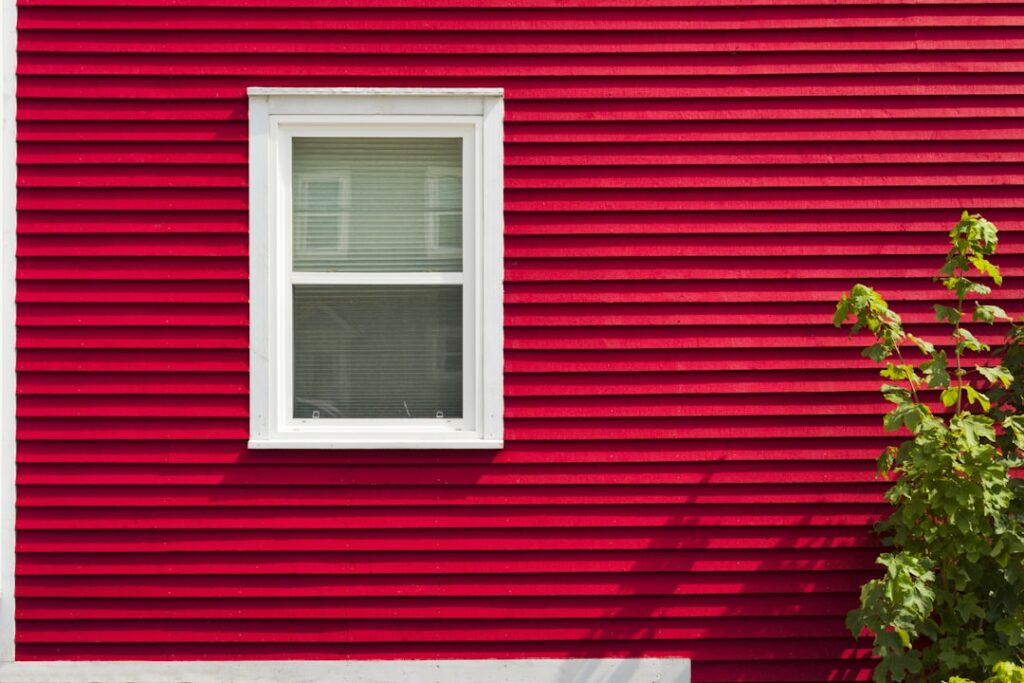
Clapboard (also called bevel or lap siding) is milled thicker at the bottom edge and thinner at the top, so each board overlaps the one below it and sheds water down the wall. When that board is Western Red Cedar or, less commonly, Eastern White Cedar, you get a siding that is naturally rot-resistant, dimensionally stable, and rich with the tight grain and warm tones cedar is prized for. The overlapping profile creates the crisp horizontal shadow lines that define classic New England, Cape Cod, and Craftsman exteriors.
Cedar Grades and What They Mean
Not all cedar is equal, and the grade drives both looks and price:
- Clear grade (Clear Vertical Grain): knot-free, premium boards milled from the heartwood; the most stable and the most expensive.
- A and Better Clear: nearly knot-free with excellent grain—the choice for a painted or stained showpiece.
- Select Knotty / Tight-Knot: visible sound knots for a rustic look at a lower price.
- Flat grain vs. vertical grain: vertical (quarter-sawn) grain resists cupping and warping far better and is worth the premium in wet climates.
What Cedar Clapboard Siding Costs
Cedar sits in the premium tier of siding. Materials alone run roughly $5 to $12 per square foot depending on grade and profile, and installed costs land between $9 and $20 per square foot once labor, trim, house wrap, and finishing are included. For a typical 2,000-square-foot exterior, budget $18,000 to $40,000 for a professionally installed, finished cedar job. Pre-primed or factory-finished boards cost more per foot but save labor and give a more durable, even coating than field-applied finish.
Installation Basics
Cedar clapboard installs over a weather-resistant barrier (house wrap) and ideally a rainscreen gap that lets the back of the boards breathe and dry. Each course overlaps the one below by at least one inch, and boards are nailed—one nail per stud, placed to avoid pinning the overlap—so the wood can expand and contract with the seasons. Stainless steel or hot-dipped galvanized ring-shank nails are essential; regular steel nails react with cedar’s natural tannins and bleed black streaks down the wall. Pre-drilling near board ends prevents splitting, and every cut end should be sealed with primer or a clear preservative before installation.
Finishing: Stain, Paint, or Natural
How you finish cedar determines how much upkeep it demands.
- Semi-transparent stain lets the grain show and is the easiest to maintain because it fades rather than peels—recoat every three to five years.
- Solid stain or paint gives the most protection and color range but must be scraped and recoated every five to ten years, and once painted, cedar is committed to paint.
- Natural / weathered gray using a clear UV preservative embraces the silvering process but offers the least protection and needs a mildewcide in damp regions.
Whatever you choose, prime or seal all six sides of each board before installation if you can—back-priming dramatically reduces cupping and extends the finish’s life.
Maintenance and Lifespan
This is the honest trade-off with cedar: it is beautiful and it is work. Well-maintained cedar clapboard lasts 30 to 40 years, and there are historic homes with century-old cedar still in service. But that longevity depends on staying ahead of the finish. Wash the siding annually to remove mildew and pollen, inspect for cracked or cupped boards each spring, keep gutters clear so water is not sheeting down the wall, and recoat on schedule. Neglect the finish and cedar will gray, crack, and eventually rot at the vulnerable bottom edges and end grain.
Cedar vs. Fiber Cement and Vinyl
Homeowners weighing cedar almost always compare it to two alternatives. Fiber cement (like James Hardie) mimics the clapboard profile, resists rot and insects, and needs repainting only every 10 to 15 years, but it lacks cedar’s real grain depth and is heavier and harder to work. Vinyl is the cheapest and lowest-maintenance option at $3 to $7 installed per square foot, but it reads as plastic up close and can crack in extreme cold. Cedar’s advantage is authenticity, repairability, and curb appeal—especially on historic or high-end homes where the look genuinely adds resale value.
Common Problems and How to Avoid Them
Most cedar failures are preventable. Cupping and warping usually trace back to boards that were not back-primed or were installed too tight without room to move. Black staining is almost always the wrong nails reacting with tannins. Rot at the bottom of walls comes from splashback and missing clearance—keep the lowest course at least six inches above grade and away from soil and mulch. And peeling paint often means moisture is trapped behind the boards, which a proper rainscreen gap and back-priming would have prevented.
Eastern White vs. Western Red Cedar
Two cedar species dominate American siding, and they behave differently. Western Red Cedar, harvested from the Pacific Northwest, is prized for its rich reddish-brown color, tight straight grain, dimensional stability, and high natural rot resistance—it is the premium choice and what most people picture when they think of cedar siding. Eastern White Cedar, common in New England and eastern Canada, is lighter in both color and weight, weathers to a soft silver-gray, and is traditional for shingles and clapboards on coastal and colonial homes. Western Red generally costs more and offers slightly better stability, while Eastern White has a distinctive regional charm and takes a natural weathered finish beautifully. Both resist decay far better than pine, but neither is immune without a maintained finish, so the choice often comes down to the look you want and what is milled locally.
Installation Timing and Acclimation
One detail that separates a lasting cedar job from a troubled one is acclimation. Cedar is a natural material that expands and contracts with moisture, so boards should be delivered and allowed to acclimate to your local humidity for several days before installation—stacked with spacers so air circulates around each board. Installing boards that are too wet leads to shrinkage and gaps as they dry; installing bone-dry boards during a humid spell can cause buckling as they swell. Plan installation for a stretch of moderate, dry weather, and prime or seal all cut ends and back faces as you go. Leave a small gap at butt joints and around trim to allow for seasonal movement, and never nail so tightly that the wood cannot expand. These small habits prevent the cupping, splitting, and gapping that plague rushed cedar installations. It also pays to plan your exposure—the amount of each board left visible below the overlap—consistently across the whole wall so the shadow lines stay even and the courses meet window and door trim cleanly. Snapping level chalk lines for each course, rather than eyeballing them, keeps long runs straight over the height of a two-story wall and is the kind of detail that separates a crisp professional installation from one that visibly drifts out of level as it climbs.
Is Cedar Clapboard Right for You?
Cedar clapboard siding makes the most sense for homeowners who value authentic materials, own an older or architecturally significant home, and are willing to commit to a maintenance schedule. If you want the classic look with less upkeep, fiber cement lap siding is the pragmatic compromise. But if you love the smell, feel, and living character of real wood—and you will keep it finished—few materials reward the investment like genuine cedar. Buy vertical-grain boards, back-prime everything, use the right fasteners, and your cedar exterior can outlast the mortgage.