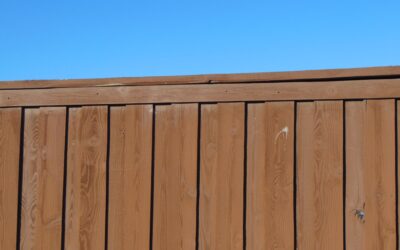
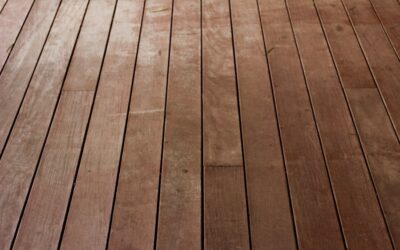
Western red cedar is the wood that composite manufacturers photograph for their color names. It’s naturally rot-resistant without a drop of chemical treatment, dimensionally calm compared to pressure-treated pine, cool and splinter-friendly underfoot, and it smells like the inside of a sauna for the first year. Cedar decking is also a commitment: it costs two to three times what treated pine costs, and it repays neglect by turning gray, checking, and softening a decade early. Here’s the full picture — the grade system that controls half the price, real cost math against PT and composite, the staining schedule that actually preserves it, and honest lifespan numbers.
Part of our Decks & Outdoor guide — explore the full guide →
Why Cedar Works as a Deck Board
Western red cedar’s heartwood contains thujaplicins — natural fungicidal compounds that make the wood rot- and insect-resistant on its own chemistry. Alongside that: cedar is light (about half the weight of wet treated pine), stable (it shrinks and cups far less, so boards stay flatter with tighter gaps), doesn’t heat up like composite in full sun, and takes stain beautifully. Its weakness is softness — at a Janka hardness around 350 lbf, cedar dents under grill wheels, dog claws, and dropped cast iron. It’s a wood you live on gently.
One critical distinction: that rot resistance lives in the reddish-brown heartwood. The pale cream sapwood has essentially none. Cheap cedar decking with wide sapwood streaks rots as fast as untreated pine — which is exactly what the grade system sorts.
The Grades: Clear vs. Knotty
Cedar decking sells in two families, each with sub-grades:
Clear (architect) grades
- Clear Heart / A & Better Clear: all heartwood, virtually knot-free, vertical or mixed grain. Furniture-quality surfaces, maximum rot resistance. $9 to $14 per square foot for the material. This is what wraps high-end porches in magazine spreads.
- B Clear / Custom Clear: occasional pin knots and minor character, still predominantly heartwood. $7 to $10 per square foot.
Knotty (cottage) grades
- Select Knotty / Architect Knotty: sound, tight knots, good heartwood content, the occasional sapwood streak. The volume seller — rustic-handsome and structurally sound. $4.50 to $7 per square foot.
- Standard/Quality Knotty: larger and occasionally loose knots, more sapwood. $3.50 to $5. Budget cedar; cull aggressively for sapwood-heavy boards and use them where they’ll stay dry.
Practical grade advice: Select Knotty is the sweet spot for most decks — 80 percent of the durability at half the clear-grade price, with knots reading as character rather than defect. Spend clear-grade money on railings, stair treads, and the front-porch showpiece where hands and eyes land. Whatever the grade, specify 5/4 x 6 radius-edge decking (a full inch thick after milling) over 1x material, and insist on heartwood-face installation for any sapwood-streaked boards.
Cost: Cedar vs. Pressure-Treated vs. Composite
| Pressure-treated pine | Cedar (Select Knotty) | Composite (mid-grade) | |
|---|---|---|---|
| Material/sq ft (decking only) | $2–$3.50 | $4.50–$7 | $6–$10 |
| Installed/sq ft (new deck, typical) | $25–$40 | $30–$50 | $40–$60 |
| 300 sq ft deck, installed | $7,500–$12,000 | $9,000–$15,000 | $12,000–$18,000 |
| Annualized maintenance | $150–$300 (wash/stain cycle) | $200–$400 (wash/stain cycle) | $50 (wash) |
| Realistic deck-surface lifespan | 10–15 yrs | 15–25 yrs maintained | 25–30+ yrs |
The 20-year math is closer than the sticker prices suggest: cedar plus faithful staining lands within range of composite’s all-in cost, while PT pine’s low entry price buys the shortest life and the most cupping, checking, and splintering along the way. The honest framing: choose PT for budget-driven projects, cedar for people who value real wood and will maintain it, and composite for people who won’t — our TimberTech decking review and PVC decking guide cover that end of the spectrum. Note that framing is pressure-treated regardless; cedar is a decking and rail decision, not a structure one.
The Maintenance Schedule That Actually Works
Cedar’s reputation problem — “it turns gray and splintery” — is a maintenance problem wearing a wood costume. The schedule:
- At install: let new cedar weather 4 to 12 weeks (mill glaze must oxidize off or stain won’t penetrate), then clean and apply the first coat. Seal cut ends as you build — end grain is where water enters.
- Every year, spring: wash with a cedar-safe cleaner (sodium percarbonate — not chlorine bleach, which destroys lignin and fuzzes the surface). Inspect for popped fasteners and check gaps for debris that traps moisture.
- Every 2 to 3 years: re-stain horizontal surfaces. This is the load-bearing item in the whole schedule. Use a penetrating semi-transparent oil or alkyd stain — the finishes that fade gracefully and recoat without stripping. Avoid film-forming products (solid stains, spar varnish, “deck restore” coatings) on deck boards: films crack, peel, trap water, and convert a maintenance coat into a $2-per-square-foot stripping job. Verticals (rails, skirting) go 4 to 6 years between coats.
- Every 5 years: tighten or replace fasteners, re-seat any cupped boards, renew end-grain sealer on stairs.
Cost per staining cycle on a 300-square-foot deck: $100 to $180 in cleaner and stain DIY, $450 to $900 hired. Skipping two cycles doesn’t save that money — it converts it into sanding, board replacement, and years off the deck’s life. Fastener note: use stainless steel or high-grade coated screws only; cedar’s tannins react with cheap galvanized fasteners and bleed black stains around every screw head. Stainless trim-head screws are the professional default.
The Gray Question
Unstained cedar weathers to silver-gray in 6 to 18 months. The gray itself is only the top few microns — a UV-degraded surface layer — and some owners in dry climates deliberately run cedar “driftwood style” with nothing but annual washing. That’s a legitimate choice in Colorado; in the humid Southeast, unprotected cedar doesn’t stop at gray — it proceeds to mildew, checking, and surface rot. If you love the gray, split the difference: apply a clear penetrating water repellent with UV inhibitors annually. You keep the silver and still shed the water. And gray cedar can be resurrected: percarbonate cleaner plus oxalic-acid brightener restores shocking amounts of original color before restaining.
Lifespan: Honest Numbers
- Maintained cedar deck surface (washed yearly, stained on cycle, dry climate or good drainage): 20 to 25 years, sometimes 30 on covered porches — a deck under a roof, like a covered patio structure, ages at half speed.
- Maintained, humid climate: 15 to 20 years.
- Neglected: 10 to 15 years to structural softness at fastener lines and board ends — barely better than neglected PT.
- Ground-contact or poor-drainage installs: cedar’s rot resistance is moderate, not miraculous. Keep boards 6+ inches off grade, ventilate under low decks, and never let leaf litter compost in the gaps.
Installation Details That Add Years
Cedar rewards a few build-day habits. Gap boards 3/16 to 1/4 inch — cedar arrives drier than PT and moves less, so the gap you set is close to the gap you keep. Face boards bark-side down (growth rings crowning upward) to bias any cupping toward shedding water. Pre-drill within 2 inches of board ends; cedar splits easily there. Tape joist tops with butyl flash tape — a $60 line item that removes the deck’s most common rot point — and stand posts and stair stringers on standoff bases rather than in contact with concrete. Finally, order 10 percent overage and cull the sapwood-heaviest boards to the least-exposed areas: grading is a range, and the builder’s sort is the last quality control the deck gets.
Cedar Decking FAQs
Western red cedar vs. the other cedars? Western red is the standard and what “cedar decking” means at lumberyards. Alaskan yellow cedar is harder and even more rot-resistant (great for stairs) at a premium; inland red cedar and Spanish cedar appear regionally; “white cedar” is mostly a shingle and fence wood. Port Orford cedar is superb and rarely available.
Can I lay cedar over an existing frame? Yes, if the PT framing is sound and joist tops get protective flash tape — old rusty fastener holes and cedar’s tannins are a bad mix otherwise.
Is cedar slippery or hot? Neither, notably — it stays cooler than composite and grips better than smooth PVC when wet, one reason it persists around pools and hot tubs.
Cedar or redwood? Functionally similar performance; redwood (Construction Heart grade) wins slightly on rot resistance and hardness, cedar wins on availability and price everywhere outside the West Coast.
Cedar is the deck for people who want wood to look like wood — and who’ll trade one staining weekend every couple of years for it. Buy heartwood-heavy grades, screw it down in stainless, keep oil in it, and it will outlast the patio furniture, the grill, and possibly the mortgage.