
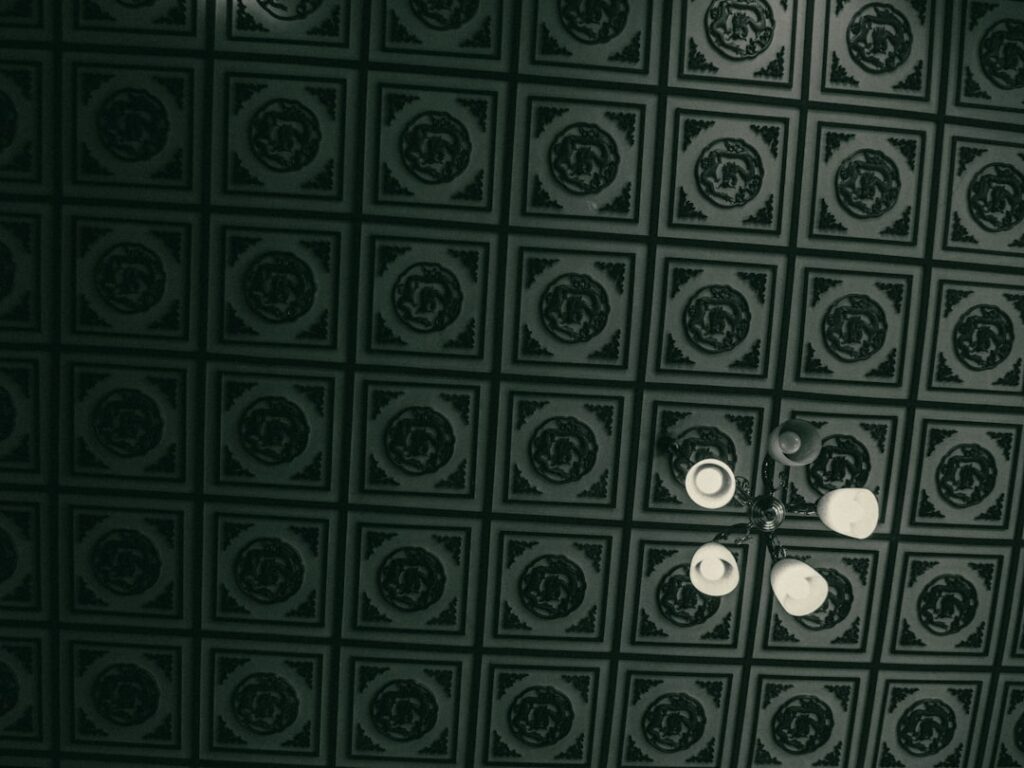
You are staring up at a grid of old ceiling tiles in a mid-century house, and the only question that matters is whether they are harmless cellulose or something that could put fibers in your lungs. The cellulose vs asbestos ceiling tiles question is one of the most consequential a home renovator faces, because guessing wrong and cutting into asbestos releases microscopic fibers linked to serious lung disease. The frustrating truth up front: you often cannot tell them apart by looking, and lab testing is the only certain answer. But there are real clues that raise or lower your suspicion, and this guide walks through them along with the safety rules that keep you protected.
- Why This Comparison Is Different From Any Other
- The Age Clue: When Was It Installed?
- Visual and Physical Clues
- Why You Cannot Tell for Certain by Looking
- The Only Sure Way: Lab Testing
- How to Sample Safely (If You Must)
- What to Do If It Is Asbestos
- Health Risks: Why This Matters So Much
- What Other Materials Might You Be Looking At?
- Regulations and Disclosure You Should Know
- The Bottom Line
Why This Comparison Is Different From Any Other
Most material comparisons are about performance and cost. This one is about health. Asbestos was widely used in ceiling tiles from roughly the 1940s through the 1980s because it added fire resistance, strength, and sound insulation cheaply. When those tiles are intact and undisturbed, they are generally not dangerous — the risk comes when you cut, drill, sand, break, or remove them, releasing airborne fibers you cannot see, smell, or taste. Cellulose tiles, made from recycled paper and wood fiber, carry none of that risk. So the stakes of telling them apart are not aesthetic; they are about whether you can safely renovate a room yourself.
The Age Clue: When Was It Installed?
Age is your first and best filter. Asbestos was common in ceiling tiles manufactured roughly between the 1940s and the late 1980s. If your tiles went up during that window, treat them as suspect until proven otherwise. Tiles installed from the 1990s onward are far more likely to be safe cellulose, mineral fiber, or fiberglass, because asbestos use in these products had largely ended. If you can date the tiles — through renovation records, the age of the house, or the era of the room’s finishes — you have narrowed the odds considerably. But age alone is not proof, because tiles are often reused, mixed, or installed years after manufacture.
Visual and Physical Clues
You cannot confirm asbestos by eye, but certain features raise suspicion. Look for these:
- Size: Older asbestos-containing tiles were frequently 12 by 12 inches, applied directly to a ceiling or wood furring with staples or adhesive. Many modern drop-in tiles are 2 by 2 or 2 by 4 feet.
- Installation method: Small square tiles stapled or glued to a ceiling, rather than laid in a suspended metal grid, are more typical of the asbestos era.
- Texture and pattern: Some period tiles have distinctive small holes, fissures, or a pinhole pattern. These patterns are not proof, but they are common on older products.
- Water damage or friability: If a tile crumbles easily or is already damaged, that both raises concern and increases the danger, because damaged asbestos releases fibers.
- Backing and markings: Occasionally a manufacturer name or code printed on the back can be researched against known asbestos-containing product lists.
Cellulose tiles, by contrast, are lighter, feel like dense compressed paper, and are common in newer installations. Still, none of these signs is conclusive on its own — plenty of safe tiles look identical to hazardous ones.
Why You Cannot Tell for Certain by Looking
This is the core message of the whole comparison: visual inspection cannot definitively distinguish asbestos from cellulose. Asbestos fibers are microscopic, and manufacturers made asbestos and non-asbestos tiles in nearly identical shapes, sizes, and patterns. Two tiles that look and feel the same can differ entirely in content. Anyone who tells you they can identify asbestos “just by looking” is guessing, and guessing wrong with this material has permanent consequences. The clues above tell you how worried to be; they do not tell you the answer.
The Only Sure Way: Lab Testing
The definitive method is professional testing. You have two safe routes. You can hire a licensed asbestos inspector to take a sample and have it analyzed — the safest approach, because they collect the sample without releasing fibers. Or you can use a certified mail-in test kit, but only if you can collect the sample safely following strict precautions. Testing typically costs a modest amount and returns a clear yes-or-no. Given the stakes, professional sampling and lab analysis is cheap insurance before any project that would disturb the tiles. Do not skip it to save a small fee on a material that can cause disease.
How to Sample Safely (If You Must)
If you collect a sample yourself for a mail-in test, minimize fiber release at every step:
- Turn off HVAC and fans so nothing circulates air.
- Wear an N95 or better respirator and disposable gloves.
- Lightly mist the tile with water to keep fibers down.
- Cut or break off a small piece into a sealable plastic bag without sanding or crumbling it.
- Wipe the area with a damp cloth, and seal both the sample and the cloth in bags.
- Label the sample and send it to a certified lab.
If the tiles are already crumbling or heavily damaged, do not sample them yourself — bring in a professional, because friable asbestos is the most dangerous form.
What to Do If It Is Asbestos
A positive result is not an emergency if the tiles are intact and in good condition. Undisturbed asbestos is generally low-risk, and one legitimate option is simply to leave it alone — or encapsulate it by sealing or covering it rather than removing it. If the tiles must come out, hire a licensed asbestos abatement contractor. This is not a DIY job: removal requires containment, negative-air equipment, proper protective gear, and legal disposal at an approved facility. Improper removal is worse than leaving it in place, because it broadcasts fibers throughout your home. Never dry-scrape, sand, or power-tool asbestos tiles.
Health Risks: Why This Matters So Much
It is worth being clear about exactly why the stakes are so high, because the danger is easy to dismiss when the tiles look harmless. Asbestos fibers, when released into the air and inhaled, lodge deep in the lungs and can cause serious, often fatal diseases decades after exposure — including asbestosis (scarring of lung tissue), lung cancer, and mesothelioma, a rare and aggressive cancer of the lung lining that is almost exclusively linked to asbestos. There is no known safe level of exposure, and the diseases typically appear 20 to 50 years after the fibers are inhaled, which is why people who disturbed asbestos casually in their younger years may not learn the cost until much later. The fibers are invisible, odorless, and tasteless, so you get no warning that you are breathing them. This latency and invisibility are precisely why professionals treat any suspected asbestos with such caution — you cannot feel the harm happening, and by the time symptoms appear the damage is done.
What Other Materials Might You Be Looking At?
Cellulose and asbestos are not the only possibilities overhead, and knowing the alternatives helps set your expectations. Many ceiling tiles from the 1990s onward are made of mineral fiber or fiberglass, which are safe, common, and often look similar to older tiles. Genuine cellulose tiles — compressed recycled paper and wood fiber — are lightweight and were and are used widely. Some decorative tin ceiling tiles are pressed metal and obviously not asbestos. The point is that “not cellulose” does not automatically mean “asbestos,” and “old” does not guarantee hazardous content, just as “new-looking” does not guarantee safety. This is another reason visual identification fails: you are trying to distinguish among several materials that were manufactured in overlapping styles across overlapping decades. Only lab analysis reliably tells you which one is actually above your head.
Regulations and Disclosure You Should Know
A few legal and practical realities shape how you handle suspect tiles. If you hire out any work that disturbs asbestos-containing material, licensed abatement and proper disposal are required by law in most jurisdictions, and improperly dumping asbestos waste carries real penalties. When selling a home, known asbestos is typically a disclosure item, so a documented test and any remediation become part of the record — which is another reason testing before you renovate protects you beyond just your health. Rental property owners and anyone doing work in a commercial or multifamily building face stricter federal and state rules still. Even for a DIY homeowner in a single-family house, the safest and often legally cleanest path is to test first, and if the result is positive and removal is needed, use a licensed contractor who handles the disposal paperwork. Treating the material casually is not just a health gamble; it can be a regulatory one.
The Bottom Line
In the cellulose vs asbestos ceiling tiles question, the safe conclusion is humility: age and appearance can raise or lower your suspicion — tiles from the 1940s to 1980s, 12-by-12 squares glued or stapled up, and pinhole patterns all warrant concern — but nothing but a certified lab test can tell you for sure. If your tiles predate 1990 and you plan to disturb them, test first, every time. If the result is positive and the tiles are intact, leaving them alone or encapsulating them is often the smartest move; if they must go, hire a licensed abatement pro. When it comes to asbestos, the cost of testing is trivial against the cost of guessing wrong.
Prefer to explore on your own?
See how new flooring looks in your actual room in seconds — free, no signup.
Try the free Floor Studio →

