
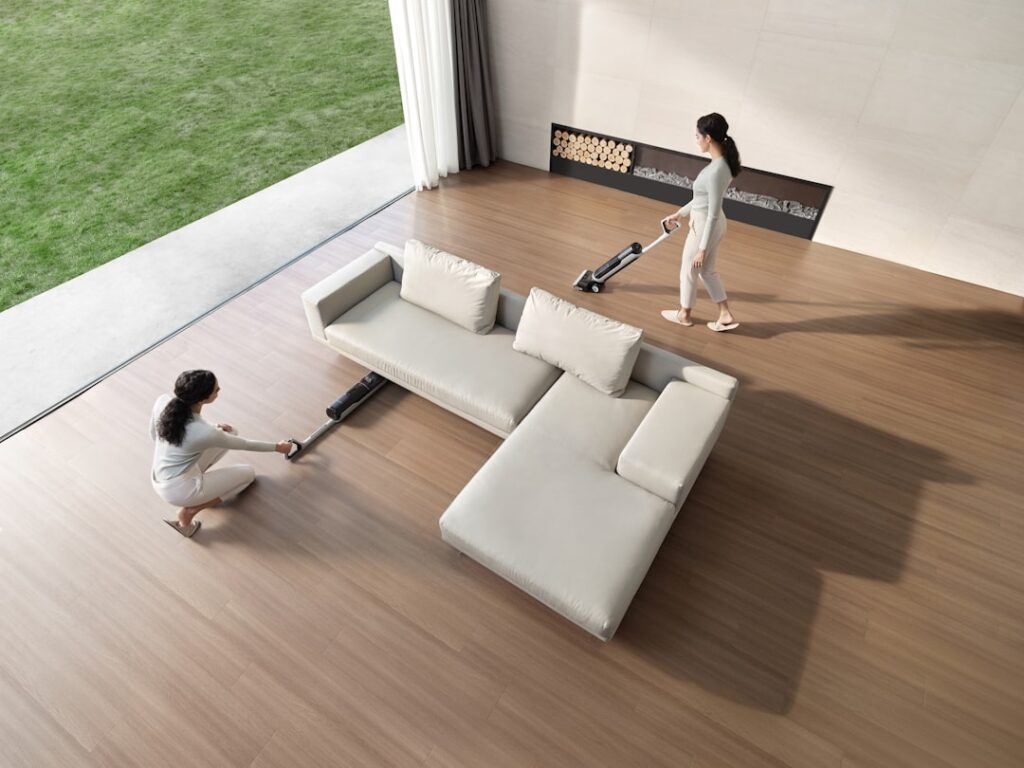
New floors can transform a room, but they don’t have to transform your bank account. The cheap flooring market has improved dramatically in recent years — today’s budget options include products that genuinely look and feel like premium materials at a fraction of the cost. The key is knowing which affordable flooring types deliver the best value and where to spend versus where to save.
This guide ranks the most affordable flooring options by cost per square foot, covers where each one works best, and shares insider tips for getting high-end results on a tight budget.
- Cheapest Flooring Options Ranked by Cost
- 1. Peel-and-Stick Vinyl Tile — The Cheapest Floor That Looks Decent
- 2. Sheet Vinyl — Best Value for Waterproof Flooring
- 3. Laminate — Best Cheap Flooring That Looks Like Hardwood
- 4. Budget Carpet — Cheapest Comfortable Flooring
- 5. Luxury Vinyl Plank (LVP) — Best Overall Budget-to-Value Ratio
- 6. Ceramic Tile — Cheapest Long-Term Flooring
- 7. Painted or Stained Concrete — The Absolute Cheapest Option
- Cheap Flooring Budget by Room
- How to Make Cheap Flooring Look Expensive
- Where to Buy Cheap Flooring
- Cheap Flooring Mistakes to Avoid
- Frequently Asked Questions
- What is the cheapest flooring option?
- What is the best cheap flooring that looks expensive?
- What is the cheapest flooring for a kitchen?
- Is it cheaper to install flooring yourself?
- How long does cheap flooring last?
- What is the cheapest flooring for a whole house?
- Can cheap flooring increase home value?
- Final Thoughts
Cheapest Flooring Options Ranked by Cost
| Flooring Type | Material Cost (per sq ft) | Installed Cost (per sq ft) | DIY Difficulty | Looks Like… | Lifespan |
|---|---|---|---|---|---|
| Peel-and-Stick Vinyl Tile | $0.50 – $2.00 | $1.00 – $3.00 | Very Easy | Wood, stone, tile | 3-10 years |
| Sheet Vinyl | $0.50 – $3.00 | $1.50 – $5.00 | Moderate | Wood, stone, tile | 10-20 years |
| Laminate | $0.70 – $3.00 | $2.00 – $6.00 | Easy | Hardwood, stone | 15-25 years |
| Carpet (budget) | $0.50 – $2.50 | $2.00 – $5.00 | Moderate | Carpet | 5-10 years |
| Luxury Vinyl Plank (LVP) | $1.50 – $5.00 | $3.00 – $8.00 | Easy | Hardwood | 15-25 years |
| Ceramic Tile | $0.50 – $4.00 | $4.00 – $10.00 | Hard | Stone, slate | 50+ years |
| Painted Concrete | $0.20 – $0.50 | $0.50 – $2.00 | Easy | Stained/polished concrete | 5-10 years |
1. Peel-and-Stick Vinyl Tile — The Cheapest Floor That Looks Decent
Peel-and-stick vinyl tiles are the absolute cheapest way to update a floor. At $0.50 to $2.00 per square foot for materials, you can floor an entire room for under $100. Modern peel-and-stick products feature remarkably realistic wood-grain and stone prints that look far better than the shiny, plasticky products of decades past.
Pros
- Cheapest flooring option available
- Easiest DIY installation — peel the backing and press in place
- No tools required beyond a utility knife and straightedge
- Goes directly over existing smooth floors
- Available in realistic wood, stone, and tile looks
Cons
- Shortest lifespan (3-10 years for quality products)
- Adhesive can fail in high-humidity areas
- Thin material shows subfloor imperfections
- Not waterproof at the seams
- Looks cheap up close on the lowest-end products
Best for: Rentals, dorm rooms, laundry rooms, quick updates, and anyone on the absolute tightest budget.
Budget tip: Spend at least $1.00/sq ft to get peel-and-stick with an embossed (textured) surface. Flat, glossy tiles scream “cheap.” Embossed tiles mimic real texture and fool the eye.
2. Sheet Vinyl — Best Value for Waterproof Flooring
Sheet vinyl is one of the most underrated flooring materials on the market. It comes in wide rolls (6 or 12 feet) that cover an entire room with minimal or no seams, making it virtually waterproof — something even more expensive options can’t always claim.
Pros
- Fully waterproof (no seams in most rooms)
- Very affordable at $0.50 to $3.00/sq ft
- Soft and warm underfoot
- Huge range of patterns and colors
- Easy to clean
Cons
- DIY installation is tricky (cutting large sheets requires precision)
- Susceptible to tears and punctures from sharp objects
- Can look dated if you choose a low-end pattern
- Difficult to repair (often need to replace the entire sheet)
Best for: Bathrooms, kitchens, laundry rooms, and basements where waterproofing is essential but budget is limited.
Budget tip: Choose a sheet vinyl with a fiberglass-reinforced backing. It lies flatter, resists wrinkles, and lasts significantly longer than felt-backed options.
3. Laminate — Best Cheap Flooring That Looks Like Hardwood
Laminate flooring is the go-to choice for homeowners who want the look of hardwood at a fraction of the cost. Modern laminate uses high-resolution photographic printing and textured surfaces (called EIR, or Embossed in Register) that are nearly indistinguishable from real wood.
Pros
- Extremely realistic wood appearance
- Easy click-lock DIY installation
- Scratch-resistant and durable (AC3-AC5 ratings)
- Affordable at $0.70 to $3.00/sq ft
- 15-25 year lifespan
Cons
- Not waterproof (water-resistant options exist but cost more)
- Can sound hollow underfoot without quality underlayment
- Cannot be refinished
- Swells and warps if water sits on it
Best for: Living rooms, bedrooms, hallways, and home offices where you want the hardwood look on a budget.
Budget tip: Look for laminate with an AC4 or higher durability rating and EIR texturing. Spending $1.50-$2.50/sq ft on quality laminate gives you a floor that genuinely passes for hardwood. Below $1.00/sq ft, the look and feel drops off noticeably.
4. Budget Carpet — Cheapest Comfortable Flooring
Budget carpet with pad installed by a professional can come in at $2.00 to $5.00 per square foot — making it one of the cheapest comfortable flooring options for bedrooms and low-traffic rooms.
Pros
- Softest, warmest flooring option
- Excellent sound dampening
- Safe (non-slip, cushioned for falls)
- Wide range of colors and textures
- Inexpensive
Cons
- Stains easily (especially light colors)
- Traps allergens, dust, and pet dander
- Short lifespan for budget grades (5-10 years)
- Looks worn quickly in high-traffic areas
- Not suitable for wet areas
Best for: Bedrooms, guest rooms, and basement rec rooms where comfort is the priority.
Budget tip: Invest more in the pad than the carpet. A quality pad (8lb, 7/16″ thickness) makes even cheap carpet feel plush and last longer. Cheap carpet on a great pad outperforms expensive carpet on a bad pad every time.
5. Luxury Vinyl Plank (LVP) — Best Overall Budget-to-Value Ratio
LVP sits at the sweet spot between price and performance. It’s waterproof, durable, easy to install, and available in stunning wood and stone visuals. While it’s slightly more expensive than laminate or sheet vinyl, it outperforms both in moisture resistance and versatility.
Pros
- 100% waterproof core
- Realistic wood and stone looks
- Click-lock floating installation (very DIY-friendly)
- Comfortable and quiet underfoot
- Works in every room including bathrooms and kitchens
Cons
- Can dent from heavy furniture (especially WPC)
- Not as scratch-resistant as laminate or tile
- Mid-range cost ($1.50-$5.00/sq ft)
- Cannot be refinished
Best for: Every room in the house, especially where you need waterproof performance with a premium look. It’s the most versatile cheap flooring option available.
Budget tip: Buy SPC (stone polymer composite) LVP instead of WPC for better dent resistance at a similar price point. Look for products with a 20-mil+ wear layer for high-traffic areas.
6. Ceramic Tile — Cheapest Long-Term Flooring
Ceramic tile materials can cost as little as $0.50 per square foot, making the tiles themselves one of the cheapest flooring materials available. The catch is installation — professional tile installation adds significantly to the total cost. However, over a 50+ year lifespan, the annual cost is almost zero.
Pros
- Extremely durable (50+ year lifespan)
- Waterproof
- Easy to clean
- Doesn’t fade, scratch, or dent
- Huge variety of sizes, colors, and patterns
Cons
- High installation cost ($4-$8/sq ft for professional labor)
- Cold and hard underfoot
- Grout requires maintenance
- Difficult DIY project
- Cracks if a heavy object is dropped on it
Best for: Bathrooms, kitchens, entryways, and laundry rooms where waterproofing and longevity matter most.
Budget tip: Choose a simple square or rectangular tile in a common size (12×12 or 12×24) with a basic grid pattern. Complex patterns, mosaics, and small hexagonal tiles dramatically increase labor costs.
7. Painted or Stained Concrete — The Absolute Cheapest Option
If you have a concrete slab, painting or staining it is the cheapest “flooring” option that exists. Concrete stain or epoxy floor paint costs $0.20 to $0.50 per square foot for materials, and you can do a small room in a single afternoon.
Best for: Basements, garages, workshops, and modern/industrial aesthetic spaces.
Cheap Flooring Budget by Room
Here’s what to budget for affordable flooring in each room of a typical home:
| Room | Typical Size | Best Budget Option | Material Cost | Total Installed |
|---|---|---|---|---|
| Bedroom | 150 sq ft | Laminate | $105 – $450 | $300 – $900 |
| Living room | 300 sq ft | LVP or Laminate | $210 – $1,500 | $600 – $2,400 |
| Kitchen | 150 sq ft | Sheet vinyl or LVP | $75 – $750 | $225 – $1,200 |
| Bathroom | 50 sq ft | Sheet vinyl or peel-and-stick | $25 – $150 | $75 – $250 |
| Basement | 400 sq ft | LVP or painted concrete | $80 – $2,000 | $200 – $3,200 |
| Entryway | 30 sq ft | Ceramic tile or LVP | $15 – $150 | $120 – $300 |
For a detailed room-by-room cost calculator, visit our flooring cost guide.
How to Make Cheap Flooring Look Expensive
The difference between cheap-looking flooring and affordable flooring that looks premium comes down to a few key strategies:
- Choose realistic textures: Embossed-in-register (EIR) laminate and LVP with hand-scraped or wire-brushed textures fool the eye and hand. Flat, glossy surfaces always look budget.
- Go wider and longer: Wider planks (7″ or more) and longer lengths look more premium and more like real hardwood. Narrow, short planks are a giveaway of budget flooring.
- Use consistent flooring throughout: Running the same floor through multiple rooms creates a seamless, high-end look. Switching materials room to room looks choppy and budget.
- Invest in trim and transitions: Matching quarter-round, baseboards, and quality transition strips make any floor look more finished and intentional.
- Choose matte over glossy: High-gloss finishes show every imperfection and look artificial. Matte and low-sheen finishes look more like natural materials.
- Vary the pattern: If using planks, vary the plank lengths and stagger joints randomly. Repetitive patterns reveal a manufactured product.
- Nail the subfloor prep: The biggest reason cheap flooring looks cheap is a poorly prepared subfloor. Bumps, dips, and unevenness telegraph through thin materials. Spend time on prep.
Where to Buy Cheap Flooring
- Big-box stores (Home Depot, Lowe’s): Good selection of budget laminate, LVP, and peel-and-stick. Watch for seasonal sales.
- Floor & Decor: Excellent prices on tile, LVP, and laminate with a wider selection than most retailers.
- Lumber Liquidators / LL Flooring: Specializes in discount flooring with deep inventory of laminate and vinyl.
- Online (Amazon, Wayfair, BuildDirect): Competitive prices but inspect samples before buying a full order.
- Closeout and overstock: Flooring retailers frequently discount discontinued colors and patterns. If you’re flexible on color, you can save 40-60%.
- Habitat for Humanity ReStore: Donated flooring materials at deeply discounted prices. Selection varies but deals can be incredible.
Cheap Flooring Mistakes to Avoid
- Buying the absolute cheapest option: There’s a difference between “affordable” and “cheap quality.” The cheapest peel-and-stick tiles may cost $0.50/sq ft but curl up within months. Spend a little more for dramatically better results.
- Skipping underlayment: For laminate and LVP, quality underlayment makes a huge difference in sound, feel, and longevity. Don’t skip it to save $50.
- Ignoring the subfloor: No amount of expensive flooring will look good over a bad subfloor. Budget flooring on a well-prepped subfloor beats premium flooring on a neglected one.
- Choosing the wrong flooring for the room: Putting non-waterproof laminate in a bathroom or cheap carpet in a kitchen leads to failure. Match the material to the room’s conditions.
- Not ordering enough: Running short mid-project and finding the product discontinued or from a different dye lot is a nightmare. Order 10-15% extra.
Frequently Asked Questions
What is the cheapest flooring option?
Painted or stained concrete is the cheapest at $0.20-$0.50/sq ft, but it only works over existing concrete slabs. For conventional flooring, peel-and-stick vinyl tiles are the cheapest at $0.50-$2.00/sq ft for materials.
What is the best cheap flooring that looks expensive?
Luxury vinyl plank (LVP) in a wide-plank, matte wood-grain finish is the best cheap flooring that genuinely looks expensive. Quality LVP at $2-$4/sq ft is virtually indistinguishable from real hardwood to most people. Laminate with EIR texturing is a close second.
What is the cheapest flooring for a kitchen?
Sheet vinyl is the cheapest waterproof flooring for kitchens at $0.50-$3.00/sq ft. For a slightly higher budget, LVP offers a more premium look with similar waterproof performance. Both handle spills, splashes, and heavy foot traffic well.
Is it cheaper to install flooring yourself?
Yes, significantly. DIY installation saves $2 to $5 per square foot in labor costs. For a 300 sq ft room, that’s $600 to $1,500 in savings. Peel-and-stick vinyl, laminate, and click-lock LVP are the easiest for DIY installation. Tile is the most difficult and often worth hiring a professional.
How long does cheap flooring last?
It depends on the material. Peel-and-stick vinyl lasts 3-10 years. Budget carpet lasts 5-10 years. Laminate lasts 15-25 years. LVP lasts 15-25 years. Ceramic tile lasts 50+ years. Even on a budget, choosing laminate or LVP gives you a long-lived floor.
What is the cheapest flooring for a whole house?
For a whole-house installation, laminate or budget LVP offers the best combination of low cost, easy installation, and attractive appearance. At $2-$4/sq ft installed (DIY), you can floor a 1,500 sq ft home for $3,000 to $6,000 in materials.
Can cheap flooring increase home value?
Yes, if it replaces damaged or outdated flooring. New LVP, laminate, or tile dramatically improves a home’s appearance and can increase the sale price. The key is choosing a neutral color and a realistic-looking product. Buyers notice new floors immediately.
Final Thoughts
Cheap flooring doesn’t have to mean cheap-looking. With products like embossed laminate, wide-plank LVP, and fiberglass-backed sheet vinyl, today’s budget options deliver genuinely attractive results. The secret is spending wisely — invest in proper subfloor prep, quality underlayment, and a product with realistic texture, and even a $1.50/sq ft floor can look like it cost five times more.
Start by exploring our guides to peel-and-stick flooring, sheet vinyl, laminate, and our complete flooring cost guide for more ways to get beautiful floors on any budget.
Prefer to explore on your own?
See how new flooring looks in your actual room in seconds — free, no signup.
Try the free Floor Studio →

