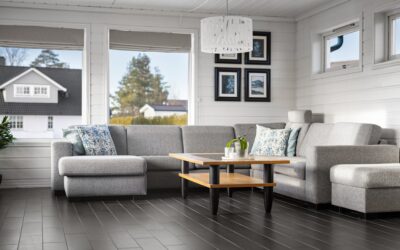
The $0.99 per square foot bin at Floor & Decor is where most budget shoppers start their hunt for new floors, often without realizing how much performance gets traded for the rock-bottom sticker price. Cheapest LVP flooring in 2026 starts at roughly $0.79 per square foot for big-box exclusives like TrafficMaster and bottom-tier import brands, but the wear layer drops to 6 mils and the click-lock joints become noticeably fragile. The category serves rental landlords, flippers, and short-term occupancy projects well, but it can backfire badly in a primary residence. Here is what the cheapest options actually deliver.
The Real Cheapest LVP Brands Right Now
Pricing fluctuates with import tariffs and seasonal promotions, but these are the rock-bottom options most US homeowners can buy in 2026.
- TrafficMaster Allure at Home Depot, $0.79 to $1.29 per square foot, 4mm thick with 6-mil wear layer and grip-strip installation.
- NuCore Lite at Floor & Decor, $1.49 to $1.79 per square foot, 5mm SPC with 12-mil wear layer.
- Home Decorators Collection at Home Depot, $1.49 to $1.99 per square foot, 5.5mm with 6-mil to 12-mil wear layer.
- SmartCore Naturals at Lowe’s, $1.79 to $2.39 per square foot, 5mm SPC with 12-mil wear layer.
- Lucida Surfaces via Amazon and direct, $1.29 to $1.79 per square foot, 4mm peel-and-stick or click-lock.
Wholesale clubs occasionally drop prices below $1.00 per square foot on closeout colors, but selection is limited and matching replacement boxes years later is essentially impossible.
What the Low Price Actually Costs You
Cheap LVP cuts corners in three predictable places. The wear layer drops from 20 mils to 6 mils, reducing scratch resistance and shortening realistic service life. The click-lock mechanism uses softer plastic that chips during installation if you tap too hard with a rubber mallet. And the printed image layer uses lower-resolution graphics, often with visible repeat patterns every 6 to 10 boards.
The 6-mil wear layer is the most telling spec. Industry guidance from the Resilient Floor Covering Institute recommends a minimum 12-mil wear layer for residential use and 20 mils for households with pets or kids. Going below 12 mils means visible scratches and traffic-pattern dullness within 2 to 3 years.
Where Budget LVP Genuinely Works
Despite the limitations, cheap LVP has legitimate uses. Rental properties with annual tenant turnover rarely see floors last more than 5 years anyway, so a $1.29 product that survives that horizon makes economic sense. Flip houses targeting the under-$300,000 price band benefit from neutral, modern flooring that looks current at minimal cost, and buyers in that segment do not typically scrutinize wear-layer specs.
Short-term solutions like preparing a house for sale, covering a basement that needs occasional but not heavy use, or floor-prepping a guest room work fine with budget LVP. The math fails when homeowners install $1.29 product in a primary kitchen or family room expecting 20 years of performance.
Installation Methods at the Budget Tier
The cheapest LVP uses three installation systems. Grip-strip products like TrafficMaster Allure peel back a self-adhesive edge and stick board to board, sitting loose on the subfloor like a giant rug. Glue-down LVT uses a separate vinyl adhesive applied with a 1/16-inch V-notch trowel and bonds permanently to clean concrete or plywood. Click-lock SPC products like NuCore Lite snap together floating without adhesive.
Grip-strip installs fastest but performs worst, with seams that lift in humid conditions and require replacement every 5 to 7 years. Click-lock SPC is the better budget choice for any installation expected to last beyond a typical lease cycle, even at slightly higher per-square-foot prices.
Subfloor Prep Cannot Be Skipped
Cheap LVP magnifies subfloor flaws because the thin core does not bridge irregularities the way thicker products do. Concrete must be flat within 3/16 inch over 10 feet, and plywood subfloors need any high spots sanded plus any joints filled with leveling compound. Skip this prep and the budget floor will telegraph every imperfection within 30 days.
For concrete subfloors, run a calcium chloride moisture test per ASTM F1869 or relative humidity probe per ASTM F2170. Moisture above 4 pounds per 1,000 square feet causes peel-and-stick adhesive to fail and SPC click joints to lift along seams.
Warranty Reality Check
Budget LVP brands advertise lifetime residential warranties, but the fine print disqualifies most real-world claims. TrafficMaster Allure excludes any installation over radiant heat, in bathrooms exposed to standing water, or in homes with humidity above 65 percent. Wear-through claims require photographic documentation and original receipts, and pro-rated payouts after year 5 cover material only at depreciated value.
The practical lifespan for cheapest-tier LVP is 7 to 12 years in residential use, regardless of the warranty document. Plan replacement on that schedule.
When to Spend the Extra Dollar
For a primary residence kitchen, family room, or hallway, stretching to $2.50 to $3.50 per square foot unlocks meaningful jumps in quality. The 12-mil to 20-mil wear layer at that price point delivers genuine 20-year performance, and the better click-lock systems install faster with less waste. Lifeproof at Home Depot, Pergo Extreme at Lowe’s, and COREtec Plus at independent dealers all sit in this sweet spot.
The cheapest LVP fills a real role in the market, but treat it as a tactical solution rather than a long-term floor.
Lot Matching and Buying Strategy
Cheap LVP exits dealer inventory faster than premium product, so matching add-on boxes years later is essentially impossible. Always buy 10 to 15 percent more square footage than your measured area to cover cuts, mistakes, and future repairs. Verify every carton shares the same lot number on the carton end-label before installation, and store the spare cartons indoors in the conditioned space to keep them ready for repair work. Skip these basic steps and a $1.29 budget floor becomes a $4 patchwork repair job two years later when a single damaged plank cannot be replaced cleanly.
Prefer to explore on your own?
See how new flooring looks in your actual room in seconds — free, no signup.
Try the free Floor Studio →