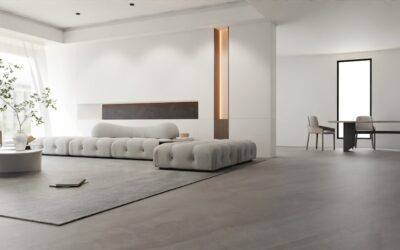
Real cherry hardwood is gorgeous and notoriously high-maintenance: it’s soft, it dents, and it darkens dramatically in sunlight. Cherry LVP flooring captures that same warm, reddish-brown glow in a luxury vinyl plank that shrugs off water, scratches, and fading. If you love the look of a traditional cherry floor but cringe at the idea of babying it, this is the format that lets you have both.
What Gives Cherry LVP Its Look
The signature of cherry is color and grain. Authentic cherry runs from a light pinkish blond when new to a deep reddish amber as it ages, with a fine, smooth, mostly straight grain and occasional gum flecks. Good cherry-look LVP reproduces that warm undertone in the printed photographic decor layer, then adds an embossed-in-register texture so the surface dips and rises along the printed grain lines. Run your hand across a quality plank and you should feel subtle grain, not a flat photo under plastic.
Styling and Where Cherry LVP Shines
Cherry’s warmth reads as traditional, formal, and cozy, which makes it a natural fit for living rooms, dining rooms, libraries, and bedrooms. The red undertone pairs beautifully with cream and ivory walls, brass or oil-rubbed-bronze hardware, and classic furniture. In a kitchen it warms up white or sage cabinetry, and unlike real cherry, the vinyl version doesn’t care about a dropped pot of water.
Because the tone is rich and dark-leaning, cherry can make a small, low-light room feel smaller. In compact spaces, lean toward the lighter cherry decors and keep walls bright to balance it.
The Pros
- Waterproof: rigid-core (SPC/WPC) cherry LVP handles kitchens, baths, and basements where real cherry can’t go.
- Fade resistance: the printed decor and UV-cured wear layer hold their color, whereas genuine cherry darkens unevenly under sunlight.
- Durability: a 20-mil-plus wear layer resists the dents and scratches that plague soft real cherry.
- Cost: typically $2.50 to $5 per square foot installed, well below solid cherry hardwood.
- Easy install: most cherry LVP is click-lock and floats over almost any flat subfloor.
The Cons
It is vinyl, not wood, so it can’t be sanded and refinished; when the wear layer is gone, the plank is replaced, not restored. The best embossed products are convincing, but bargain cherry LVP with a thin, flat wear layer and a repeating photo pattern will look artificial up close. And while the color stability is a selling point, it cuts both ways: people who love how real cherry deepens and patinas over the years won’t get that living, changing character from a printed floor.
How to Avoid a Fake-Looking Floor
The difference between a cherry LVP that fools guests and one that screams “vinyl” comes down to a few specs. Look for a high number of unique plank patterns (12 or more) so the same board photo doesn’t repeat across the room. Choose embossed-in-register texture, beveled or painted micro-edges that mimic individual planks, and a matte or low-sheen finish, since high gloss exaggerates the plastic look. Mixing plank lengths during install also breaks up any visible repeat.
Key Specs to Compare
- Wear layer: 12 mil minimum for residential, 20-28 mil for pets and heavy traffic.
- Core type: SPC (stone-plastic) is harder and more dent-resistant; WPC is softer and warmer underfoot.
- Total thickness: 5mm-8mm planks feel more substantial and span minor subfloor dips.
- Attached pad: an IXPE or cork backing adds quiet and comfort.
- Warranty: 25-year residential coverage signals a confident manufacturer.
Installation Notes
Acclimate the planks flat in the room for 48 hours, confirm the subfloor is within 3/16 inch of flat over 10 feet, and leave a 1/4-inch expansion gap at the walls. Over concrete, add a vapor barrier unless the plank already includes one. Cherry’s warm tone looks best with consistent lighting, so plan your plank direction to run with the main light source from a window, which minimizes shadowing across the embossed grain.
Care and Maintenance
Sweep or dry-mop regularly and damp-mop with a pH-neutral vinyl floor cleaner. Skip steam mops, wax, and abrasive pads. Use felt pads under furniture and a doormat at entries to keep grit off the surface. Done right, cherry LVP keeps its warm, formal look for two decades with almost no upkeep.
Cherry LVP vs. Real Cherry Hardwood
It helps to be honest about what you’re trading. Genuine American cherry hardwood is a soft wood that dents easily, darkens dramatically and sometimes unevenly under sunlight, and demands careful maintenance, but it offers real depth, the ability to be refinished, and a living patina that changes over the years. Cherry LVP gives you the warm reddish look with none of the softness or fading worry, full waterproofing, and a much lower price — but it can’t be refinished and won’t develop that authentic, evolving character. For a busy kitchen, basement, or bathroom, the vinyl wins easily. For a formal study where you want true wood that ages, the hardwood still has its place.
Design Pairings That Work
- Walls: cream, ivory, soft white, and sage balance cherry’s warmth without competing.
- Cabinetry: white, off-white, navy, and muted green cabinets pop against the red undertone.
- Hardware and fixtures: brass, gold, and oil-rubbed bronze echo cherry’s classic feel.
- Rugs: low-contrast neutrals keep the floor as the focal point; avoid orange-heavy rugs that clash with the red.
- Trim: white baseboards crisp up the look and brighten darker rooms.
Because cherry leans formal and traditional, it rewards classic, slightly tailored decor more than ultra-modern minimalism.
Cost and Value
Cherry LVP material typically runs $2 to $5 per square foot, with professional installation adding $1 to $4 per square foot depending on your region and subfloor prep. Compared with solid cherry hardwood — which can run several times that installed and requires periodic refinishing — the vinyl version delivers the look at a fraction of the lifetime cost. For most homeowners, a mid-tier cherry LVP with a 20-mil wear layer and an SPC core is the sweet spot of looks, durability, and price.
The Bottom Line
Cherry LVP flooring is the smart choice when you want the rich, traditional warmth of a cherry floor without its softness, fading, and maintenance demands. Spend on a thick wear layer, embossed texture, and varied plank patterns, and you get a waterproof, fade-stable floor that delivers cherry’s classic glow in rooms where real cherry would never survive.
Prefer to explore on your own?
See how new flooring looks in your actual room in seconds — free, no signup.
Try the free Floor Studio →