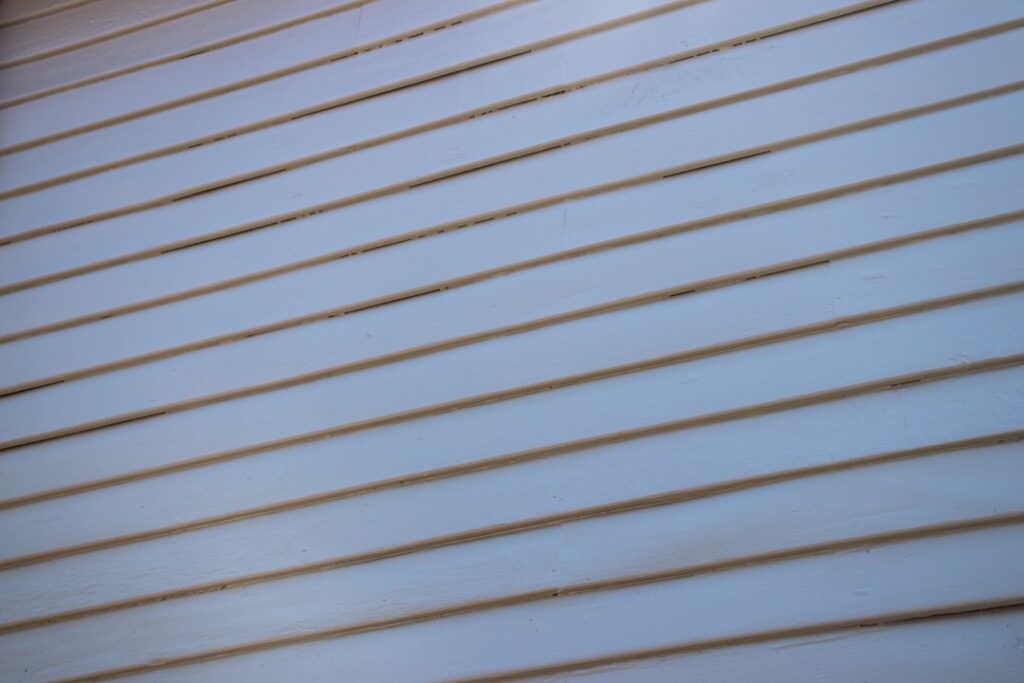
The horizontal, overlapping look of traditional clapboard has defined American homes for generations, and modern materials let you capture that classic style with far less upkeep. Clapboard vinyl siding recreates the timeless profile of wooden clapboards in durable, low-maintenance vinyl, giving your home enduring curb appeal without scraping and repainting every few years. It remains one of the most popular exterior choices for good reason.
This guide explains what clapboard vinyl siding is, its styles and benefits, realistic costs, installation basics, and how to keep it looking great.
What Is Clapboard Vinyl Siding?
Clapboard refers to the classic siding profile of long, narrow horizontal boards that overlap, with each board slightly angled so it sheds water away from the house. In vinyl form, these profiles are molded from PVC into long, interlocking panels that mimic the look of individual wooden clapboards while installing far more quickly.
Modern vinyl panels reproduce the shadow lines and proportions of real clapboard convincingly, and many include textured surfaces that imitate wood grain. Because the color runs through the material, scratches and wear are far less noticeable than chips in painted wood, a key reason vinyl has become a default exterior choice.
Styles and Profiles
Clapboard vinyl comes in several profiles and exposures, letting you tune the look to your home’s architecture:
- Traditional clapboard (single or double): classic horizontal lines in various widths.
- Dutchlap: a beveled edge that adds a crisp shadow line for more depth and character.
- Beaded: a rounded bead along the bottom edge for a refined, historic appearance.
- Wider exposures: broader boards that suit larger, modern facades.
Color choices are extensive, from soft neutrals to bold blues and greens, and many products carry warranties against fading. Pairing the right profile and color with your home’s style is what makes vinyl siding read as an upgrade rather than a compromise.
Benefits of Clapboard Vinyl Siding
Vinyl earns its popularity through a blend of practicality and value. The main advantages include:
- Low maintenance: no scraping, sanding, or repainting, just occasional cleaning.
- Durability: resists rot, insects, and moisture that plague wood.
- Affordability: generally cheaper to buy and install than wood, fiber cement, or brick.
- Color retention: through-body color and UV-resistant formulas limit fading.
- Energy options: insulated vinyl siding can improve a home’s thermal performance.
For homeowners who want a classic look without the ongoing labor of maintaining wood, clapboard vinyl siding is a compelling, budget-friendly solution.
Drawbacks to Consider
No siding is flawless, and weighing the limitations helps set expectations. Vinyl can crack or become brittle in extreme cold, and severe impacts may damage panels. It is also combustible and can warp if exposed to intense heat, such as a nearby grill or reflected sunlight.
Some homeowners prefer the authentic depth of real wood or the premium feel of fiber cement, and certain historic districts restrict vinyl. While individual panels can be replaced, matching color on older siding that has aged slightly can be tricky. Knowing these trade-offs helps you decide whether vinyl fits your priorities and climate.
Cost Expectations
Pricing depends on panel quality, home size, and your local labor market, so treat these as planning estimates rather than firm quotes:
- Standard vinyl siding materials: commonly $3 to $8 per square foot.
- Insulated vinyl siding: often $4 to $12 per square foot for higher-end products.
- Professional installation: frequently $2 to $7 per square foot of labor, varying with home complexity.
Removing old siding, repairing sheathing, and adding house wrap can add to the total. Because a full re-siding is a significant project, gather several itemized written quotes and confirm what each includes before choosing a contractor.
Installation Basics
Proper installation is critical, since vinyl expands and contracts with temperature and must be allowed to move. A typical installation follows these stages:
- Prepare the wall with a smooth, sound surface and a weather-resistant barrier or house wrap.
- Install starter strips, corner posts, and trim around windows and doors.
- Hang panels from the bottom up, locking each course into the one below.
- Nail loosely at the center of slots so panels can expand and contract freely.
- Finish with J-channel and trim for clean, weather-tight edges.
Allowing for thermal movement is the step amateurs most often get wrong. Nailing too tightly causes buckling and waviness, so panels must hang freely. Given the precision and the work at height, many homeowners hire experienced installers for a clean, lasting result.
Maintenance and Care
Caring for clapboard vinyl siding is refreshingly simple. An annual wash keeps it looking new, and a few habits prevent problems:
- Rinse the siding with a garden hose and a soft brush, using mild soap for stubborn dirt.
- Address mildew with a gentle cleaning solution suited to vinyl.
- Keep grills, fire pits, and reflective surfaces away from the siding to avoid heat warping.
- Inspect periodically for cracked or loose panels and replace them promptly.
- Trim back vegetation that traps moisture against the wall.
If using a pressure washer, keep it on a low setting and aim straight on to avoid driving water behind the panels. With this minimal care, the siding stays bright and intact for many years.
Clapboard Vinyl vs. Other Siding Materials
Comparing vinyl to the alternatives clarifies its place. Against real wood clapboard, vinyl wins decisively on maintenance and price, since wood needs regular scraping, sealing, and repainting and is vulnerable to rot and insects. Wood, however, offers an authentic depth and can be repainted any color, which some homeowners prize.
Fiber cement siding mimics wood convincingly and resists fire and impact better than vinyl, but it costs more and is heavier and harder to install. Engineered wood sits in between on price and durability. Brick and stone are the most durable and the most expensive. For homeowners prioritizing low cost and low upkeep, clapboard vinyl remains one of the best overall values among siding choices.
Choosing Color and Style for Your Home
Selecting the right color and profile makes vinyl siding read as a deliberate design choice. Consider your home’s architectural style first; traditional homes often suit narrower clapboard or beaded profiles, while modern facades can carry wider exposures. Look at the fixed elements you are keeping, such as roof color, brick, and stone, and choose a siding shade that complements them.
Darker colors make a bold statement but can show fading sooner, so check the product’s fade warranty, while lighter neutrals are safe and timeless. Many homeowners pair a main field color with contrasting trim around windows, doors, and corners for definition. Order physical samples and view them on your actual house in different light before committing to a full order.
Is Clapboard Vinyl Siding Right for You?
If you want the timeless charm of horizontal clapboard with minimal upkeep and a friendly price, clapboard vinyl siding is an excellent choice. It delivers classic curb appeal, resists rot and insects, and rarely needs more than an annual wash. Weigh the limitations in extreme climates and the preference some have for wood or fiber cement, then gather itemized quotes from qualified installers. Choose the right profile and color, ensure proper installation, and your home will enjoy a durable, attractive exterior for decades.