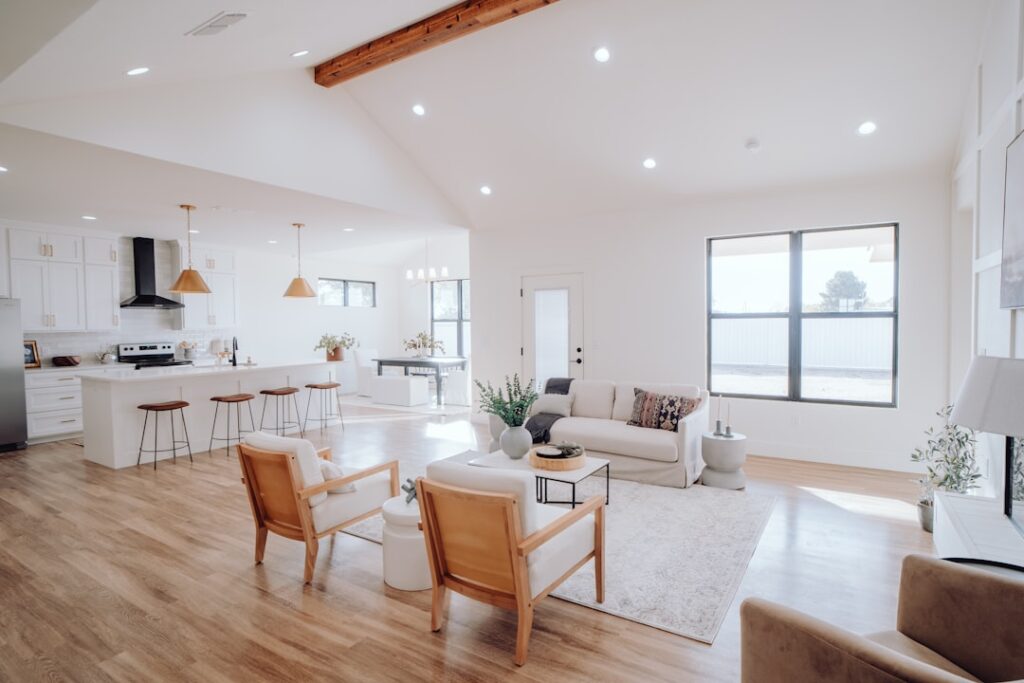
German manufacturing has a deserved reputation for precision flooring, and Classen is one of the names behind it. Classen flooring covers a broad lineup of laminate and rigid-core (SPC) products engineered for tight click joints, realistic surfaces, and water resistance, much of it produced in Germany with their own technologies. For buyers weighing European brands against domestic options, understanding Classen’s product systems, wear ratings, and pricing helps you decide whether it fits your project.
Who Classen Is
Classen is a long-established German flooring producer that manufactures laminate and rigid vinyl/SPC flooring, along with related underlayments and wall products. The company is known for developing proprietary locking and surface technologies and for vertically integrated production, which lets it control quality from the core board through the finished plank. Its products are sold across Europe and exported internationally.
The Main Product Categories
- Laminate flooring: HDF-core planks with printed decors and embossed surfaces, offered in a range of AC wear classes and thicknesses, typically 7mm to 12mm.
- Rigid-core SPC: Stone-plastic composite planks with a dense mineral core for dimensional stability and water resistance, generally 4mm to 6mm with an attached underlayment.
- Click systems: Classen’s Megaloc and related angle-and-tap locking mechanisms allow glueless, floating installation with tight, durable joints.
Understanding AC Wear Ratings
Laminate durability is graded on the AC (Abrasion Class) scale, and Classen products span the practical range:
- AC3: General residential, suitable for most homes including living areas.
- AC4: Heavy residential and light commercial, good for busy households with pets.
- AC5: Commercial-grade abrasion resistance for high-traffic spaces.
For a typical family home, AC4 is the sweet spot. Match the rating to your traffic, and check the thickness too, since thicker boards feel more solid underfoot and lock more securely.
Water Resistance
Classen’s SPC rigid-core lines are designed to be waterproof at the plank surface and stable in damp conditions thanks to the mineral core, making them suitable for kitchens and other moisture-prone rooms. Their laminate lines often feature water-resistant surface and edge treatments that withstand spills and damp mopping, though laminate is generally water-resistant rather than fully waterproof. Always confirm the specific product’s moisture rating before installing in a bathroom or laundry.
The Pros
German engineering shows up in tight, reliable click joints and realistic embossed surfaces that mimic wood grain and stone convincingly. The Megaloc-style locking systems make floating installation fast and DIY-friendly, with no glue required. Classen offers a wide selection of decors and formats, and its SPC products combine waterproof performance with the stability of a rigid core. Many products carry multi-year residential warranties.
The Cons
Availability is the main hurdle for US buyers, since Classen is a European brand and distribution can be patchier than home-grown labels. That can mean longer lead times, special orders, and fewer local installers familiar with the product. As an imported product, pricing may include shipping premiums, and warranty service can be less straightforward than with a brand that has a strong domestic support network. As with all laminate, the HDF-core products are not for standing-water areas.
What It Costs
Expect Classen laminate to land roughly in the $2 to $5 per square foot range for material depending on AC class and thickness, with SPC rigid-core products generally $3 to $6 per square foot. Floating installation labor adds about $2 to $4 per square foot if you hire out. Prices vary with importer markups and product line, so get current quotes from authorized dealers.
When you weigh Classen against domestic brands at similar price points, you are essentially paying for German manufacturing precision and proprietary click technology rather than a dramatically different core material. That precision shows up in how tightly the joints lock and how well the surface texture matches the printed decor, which can be worth the premium for a DIY installer who wants joints that go together cleanly and stay tight. If local availability is limited or lead times are long, though, a comparable domestic AC4 laminate or SPC product may deliver similar everyday performance with easier warranty support, so compare the total delivered cost and the dealer’s service before deciding.
How to Buy It Right
Confirm you are buying through an authorized dealer so the warranty is valid, and verify the exact AC class, thickness, and moisture rating for the line you want. Order 7 to 10 percent extra for cutting waste and future repairs, and ask about matching underlayment, since some SPC boards come with it pre-attached. If installing yourself, follow the acclimation and expansion-gap guidance, typically a 1/4 to 3/8 inch perimeter gap.
Laminate vs. SPC: Which Classen Line to Pick
The choice between Classen’s laminate and SPC lines comes down to where you are installing and how much moisture is in play. Laminate, with its HDF core, feels warmer and can be slightly more affordable, and it suits bedrooms, living rooms, and hallways where standing water is not a concern. Choose at least AC4 for a busy household, and look for the water-resistant surface treatments on Classen’s better laminate lines for spills.
SPC rigid-core is the pick for kitchens, basements, and anywhere moisture is likely, because the mineral core is dimensionally stable and the product is waterproof. SPC is also more forgiving over slightly uneven subfloors and quieter when it includes a pre-attached acoustic underlayment. If you want one product for a whole open-plan main floor that includes a kitchen, SPC is usually the safer single choice.
Installation Over Radiant Heat and Subfloors
Classen’s rigid-core and many laminate products can go over radiant floor heating, but follow the temperature limits, generally keeping the surface below 82 to 85 degrees Fahrenheit and raising the heat gradually after installation to avoid shocking the boards. Acclimate the flooring in the room for the time the manufacturer specifies, often 48 hours, at normal living temperature and humidity.
The subfloor must be clean, dry, and flat to roughly 1/8 inch over 6 to 8 feet; high spots and dips cause clicking joints to flex and eventually fail. Test concrete slabs for moisture before laying any floating floor, use the recommended vapor barrier over concrete, and maintain the perimeter expansion gap so the floor can move freely with seasonal humidity.
Bottom Line
For buyers who value German engineering and tight click systems, Classen flooring delivers realistic, durable laminate and waterproof SPC at competitive prices. Just confirm local availability, buy from an authorized dealer, and match the AC rating and moisture spec to your room, and you will get a precise, long-lasting floating floor.
Prefer to explore on your own?
See how new flooring looks in your actual room in seconds — free, no signup.
Try the free Floor Studio →