Most households spend $80-$200 a year on specialty cleaners that do exactly what a $4 jug of distilled white vinegar mixed with water can handle. The right cleaning solution for any surface usually comes down to three or four pantry ingredients combined in the correct ratio, with a couple of store-bought products kept on hand for the jobs DIY recipes cannot match. Picking smart saves money, reduces VOCs in the air, and keeps you from accidentally etching marble or fogging hardwood with the wrong product. Here is the practical breakdown of which cleaning solutions actually work for which surface — and which ones to skip entirely.
- Five DIY Cleaning Solutions That Actually Work
- Surfaces That Need Special Cleaners
- Best Store-Bought Cleaning Solutions
- Cleaning Solution by Room
- Floor-Specific Cleaning Solutions
- Disinfecting vs Cleaning
- Common Cleaning Solution Mistakes
- Eco-Friendly and Pet-Safe Options
- Tools That Multiply Cleaning Power
- Storage and Safety
Five DIY Cleaning Solutions That Actually Work
Before reaching for branded sprays, master these five DIY recipes that handle 80% of household cleaning:
- All-purpose spray: 1 cup distilled white vinegar + 1 cup water + 10 drops lemon essential oil. Stores 6 months in a spray bottle.
- Glass and mirror: 2 cups water + 2 tablespoons vinegar + 1 tablespoon cornstarch. Cornstarch is the secret to streak-free glass.
- Soft scrub: 1/2 cup baking soda + enough Dawn dish soap to form a paste. Lifts soap scum, tile grime, and stove-top splatter.
- Floor cleaner (sealed surfaces): 1 gallon warm water + 1/4 cup white vinegar + 2 tablespoons Castile soap (Dr. Bronner’s).
- Disinfecting bathroom spray: 1 cup hydrogen peroxide + 1/4 cup water + 10 drops tea tree oil. Kills 99% of common bacteria.
Vinegar and baking soda are the workhorses of nearly every safe DIY recipe. Avoid mixing the two together in storage — they neutralize each other into salty water within minutes.
Surfaces That Need Special Cleaners
Not every surface is safe for all-purpose vinegar mixes. The following materials require specific products:
- Marble, granite, travertine: Vinegar etches stone. Use Method Daily Granite Spray or a pH-neutral cleaner like Stone Care International.
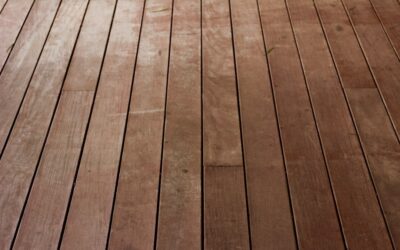
- Hardwood floors: Excess water swells planks. Use Bona Hardwood Floor Cleaner or Murphy Oil Soap diluted per label.
- Stainless steel appliances: Avoid abrasives. Use Weiman Stainless Steel Cleaner or Bar Keepers Friend with the grain.
- Leather furniture: Use Leather Honey or Lexol pH-balanced cleaners — never household sprays.
- TV and computer screens: Distilled water on a microfiber cloth, or specialized screen wipes from Whoosh.
- Cast iron cookware: Hot water and a stiff brush. No soap. Re-season with grapeseed oil after cleaning.
Best Store-Bought Cleaning Solutions
Some commercial cleaners outperform any DIY mix. The proven category leaders:
- Dawn Powerwash: Dish soap that pre-treats grease, baked-on food, and stovetops. $4-$6 per spray bottle.
- Bar Keepers Friend (powder and liquid): Best in class for stainless steel sinks, ceramic cooktops, and rust stains. $3-$5 per container.
- Lysol Toilet Bowl Cleaner with Bleach: Fastest hard water stain remover. $4 per bottle.
- Mr. Clean Magic Eraser: Melamine foam removes scuff marks, crayon, and shoe polish. $5 per 4-pack.
- Goo Gone Original: Removes adhesive residue, sticker glue, gum, and crayon. $5 per 4-oz bottle.
- OxiClean Versatile Stain Remover: Pre-soak laundry, grout cleaner, and outdoor furniture brightener. $9 per tub.
Skip novelty multi-surface “miracle” sprays sold on social media — most are just diluted dish soap with a fragrance and a 400% markup.
Cleaning Solution by Room
Stock each room with a small kit rather than carrying one caddy through the house. The minimum kit by room:
- Kitchen: Dawn Powerwash, Bar Keepers Friend, all-purpose vinegar spray, microfiber cloths
- Bathroom: Lysol toilet cleaner, soft scrub paste, glass spray, hydrogen peroxide disinfectant
- Living room: Microfiber dust cloths, Pledge wood furniture spray, screen wipes
- Bedroom: Mattress vacuum attachment, fabric refresher, all-purpose spray for nightstands
- Laundry room: OxiClean, baking soda, white vinegar, washing machine cleaner tabs
- Garage: Simple Green concentrate, oil absorbent, push broom, pressure washer
Floor-Specific Cleaning Solutions
Each flooring type needs its own approach to avoid damage:
- Hardwood: Bona Pro Series Hardwood Floor Cleaner (32 oz at $15), microfiber mop. Never wet-mop.
- Laminate: Bona Stone, Tile & Laminate Cleaner. Use a damp microfiber pad — never a string mop.
- LVP and vinyl: Diluted vinegar (1 cup per gallon water) or Better Life Naturally Dirt-Destroying Floor Cleaner.
- Tile and grout: Soft scrub paste in joints, then Black Diamond Stoneworks Grout Cleaner for deep cleans.
- Carpet: Folex Carpet Spot Remover for spills, Resolve High Traffic Foam for matting.
- Concrete: Simple Green concentrate or trisodium phosphate (TSP) for heavy grease.
Disinfecting vs Cleaning
These are different jobs. Cleaning physically removes dirt and germs. Disinfecting kills pathogens left behind. Both matter — and the order matters too.
Always clean first with soap and water, then disinfect with an EPA-registered product like Lysol Disinfectant Spray, Clorox Wipes, or 70% isopropyl alcohol. Disinfectants need to sit wet on the surface for a specific contact time (usually 1-10 minutes) to actually kill germs. Wiping immediately after spraying does not disinfect.
Common Cleaning Solution Mistakes
A few errors that ruin surfaces or waste product:
- Mixing bleach with ammonia or vinegar: Creates toxic chloramine and chlorine gas. Never mix.
- Using vinegar on stone: Etches marble, granite, and travertine permanently.
- Spraying cleaner on wood floors: Soaks into seams. Spray onto the mop pad instead.
- Wiping screens with paper towels: Scratches anti-glare coatings. Use microfiber only.
- Using too much soap: Leaves residue that attracts more dirt. Half the recommended dose usually works.
- Skipping ventilation: Bathroom cleaner fumes are nasty. Always crack a window or run the fan.
Eco-Friendly and Pet-Safe Options
For households with pets, kids, or chemical sensitivities, several brands offer effective non-toxic options:
- Method: Plant-based all-purpose sprays in pleasant scents
- Seventh Generation: EPA Safer Choice certified across the lineup
- Mrs. Meyer’s Clean Day: Plant-derived ingredients, available at Target and Costco
- Branch Basics: One concentrate that mixes into multiple cleaning solutions
- Dr. Bronner’s Pure-Castile Soap: Versatile base for DIY cleaners
Read labels carefully — “natural” is not a regulated term. Look for EPA Safer Choice, Green Seal, or EcoLogo certifications for verified safety claims.
Tools That Multiply Cleaning Power
The right tool often matters more than the cleaner. Worth owning:
- Microfiber cloth set (color-coded for kitchen, bath, glass) — $15-$25 for a 24-pack
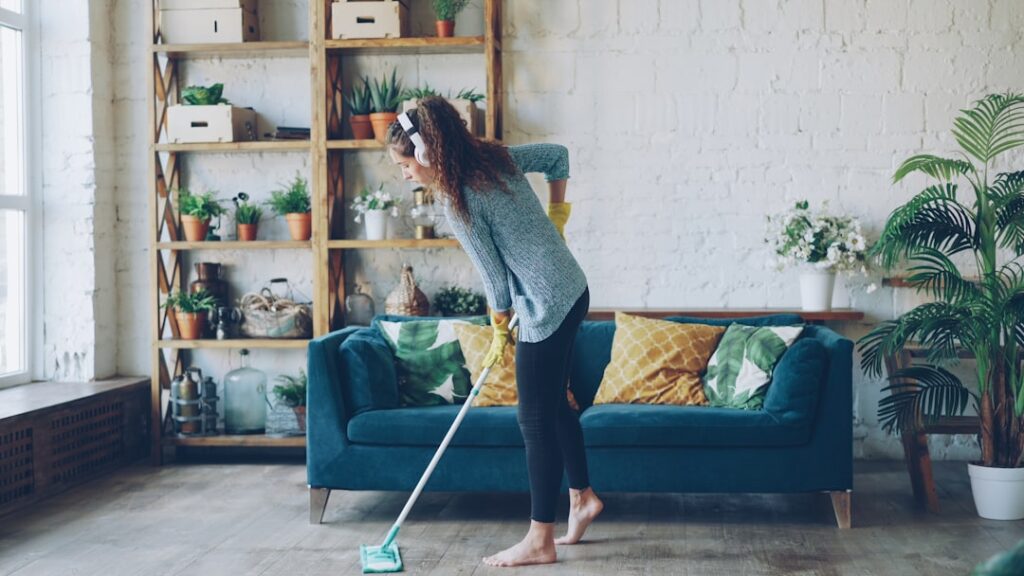
- Spin mop and bucket — Bissell SpinWave or O-Cedar EasyWring at $40-$80
- Cordless stick vacuum — Dyson V8 or Tineco Pure One at $200-$500
- Steam mop — Bissell PowerFresh at $90 for sealed tile and laminate
- Detail brush set — for grout, faucets, and crevices at $10-$15
Storage and Safety
Store cleaning solutions out of reach of kids and pets in a cool dark cabinet. Label DIY mixes with date and contents — homemade vinegar sprays last 6 months, hydrogen peroxide solutions last 30 days, soap-based mixes last 2-3 weeks. Never store cleaners in food or beverage containers, even briefly. A simple plastic caddy under the kitchen sink keeps everything in one place and easy to grab when you need it.