
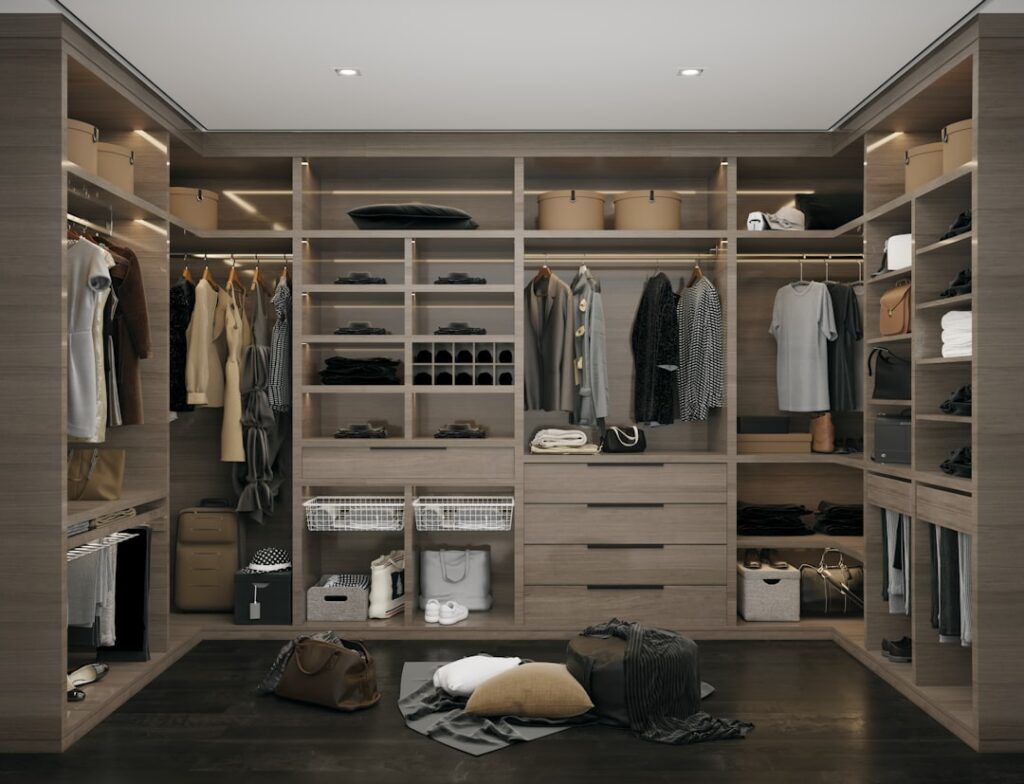
A custom closet can add usable square footage to a home without moving a single wall, but only if it is built right. Hiring the wrong installer leads to sagging shelves, doors that bind, and rods that pull out of drywall within months. Good closet contractors turn a cramped, cluttered space into storage that works for how you actually live. This guide walks you through vetting candidates, understanding costs, and avoiding the mistakes that cost homeowners the most.
What Closet Contractors Actually Do
Closet specialists design and install organization systems, from a single reach-in closet to a full walk-in dressing room. Their work covers measuring the space, designing the layout, choosing materials, and mounting shelving, drawers, rods, and accessories so everything bears weight safely.
Some companies offer design-only services and let you install, while others handle the full project. Full-service crews typically deliver more durable results because they account for stud locations, wall condition, and load before anything goes up.
Types of Closet Systems
Knowing the options helps you talk to contractors and compare quotes fairly:
- Wire systems: the most affordable, ventilated and quick to install, though less polished
- Melamine and laminate: the most common custom option, durable and available in many finishes
- Wood and plywood: a premium choice for built-in furniture quality and heavier loads
- Floating versus floor-based: wall-hung systems make cleaning easier; floor-based units carry more weight
How to Vet a Closet Contractor
Before signing anything, confirm the basics. A reputable pro will not hesitate to provide them:
- A business license and, where required, liability insurance
- References from recent local jobs, ideally ones you can view in person or in photos
- Reviews across more than one platform, read for patterns rather than single complaints
- A written, itemized quote rather than a single lump-sum number
- A clear warranty on both materials and workmanship
Ask how they anchor heavy components. Quality installers locate studs and use proper anchors rather than relying on drywall alone, which is the single biggest cause of collapsed shelving.
Questions to Ask Before You Hire
The conversation tells you as much as the credentials. Useful questions include who performs the actual installation, whether it is the company’s own crew or subcontractors, how long the project will take, and what happens if something does not fit. Ask whether the design is yours to keep if you decide not to proceed, and confirm the timeline for ordering materials, since custom components can take several weeks.
Understanding the Cost
Closet pricing varies widely by material, size, and region. As general guidance, a basic wire reach-in system may run a few hundred dollars installed, a custom melamine reach-in often lands in the low four figures, and a full walk-in with drawers, lighting, and accessories can climb into the several-thousand-dollar range. Wood and high-end finishes push costs higher.
Get at least three quotes and make sure each lists the same scope. A quote that looks cheap may exclude removal of the old system, drywall repair, or hardware. Comparing line items, not bottom-line totals, is the only fair way to judge value.
Red Flags to Walk Away From
Certain behaviors signal trouble before the work begins:
- Demanding full payment up front rather than a reasonable deposit
- Refusing to put the scope, timeline, and price in writing
- No physical address or verifiable business presence
- Pressure tactics or quotes that expire within hours
- Vague answers about who actually does the install
A typical structure is a deposit at signing, a payment when materials arrive, and the balance on satisfactory completion. Avoid anyone who wants the full amount before lifting a tool.
Custom Versus Off-the-Shelf
Before hiring anyone, decide whether you genuinely need a custom system or whether a modular, off-the-shelf kit would serve. Big-box stores sell adjustable closet kits that a handy homeowner can install in an afternoon for a few hundred dollars. These work well for standard reach-in closets with simple needs.
Custom closet contractors earn their fee when the space is irregular, the storage demands are specific, or you want a polished, built-in look with features like soft-close drawers, integrated lighting, and pull-out accessories. If you have an awkward walk-in, a sloped ceiling, or a long list of must-have features, a custom design pays off. Matching the solution to the actual need keeps you from overspending or underbuilding.
Maximizing Storage in the Design
A good contractor designs around how you live, not just the dimensions of the space. The best designs use vertical space fully, since most closets waste the area above the top shelf and below hanging clothes. Double-hang rods for shirts and pants, a section of long hang for dresses and coats, and a bank of drawers or shelves for folded items typically deliver the most usable storage.
Share specifics with your designer: how many long garments you own, whether you need shoe storage, and whether you prefer drawers or open shelves. The more honestly you describe your habits, the better the layout fits your daily routine and the less you fight your own closet every morning.
Preparing for the Project
You can keep the job smooth and on budget. Empty the closet completely before the crew arrives, decide what you actually need to store so the design fits your habits, and clear a path for carrying in materials. If you are removing an old system, confirm in writing whether the contractor hauls it away.
Walk through the finished work before final payment. Open and close every drawer and door, push on shelves to confirm they are anchored, and check that rods sit level. A good closet should feel solid for years, and choosing the right closet contractors is what makes that durability possible.
Final Walkthrough Checklist
A careful inspection at handoff protects you from problems that surface later. Before signing off and releasing final payment, verify these points so nothing slips through:
- Every shelf is securely anchored and does not flex under firm hand pressure
- Drawers open and close smoothly and sit flush when closed
- Rods are level and rated to hold the weight of your clothing
- Any lighting works and is wired safely
- Finishes are clean, with no chips, scratches, or visible fasteners
- The work area is cleaned up and old materials hauled away as agreed
If you spot an issue, document it in writing and give the contractor a chance to correct it before final payment. A reputable pro will address punch-list items promptly, and holding the final payment until the work is genuinely complete is your strongest leverage to ensure a quality result.


