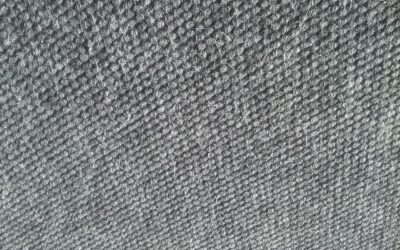
Walk into a hotel lobby, a corporate office, or a busy classroom and look down. Those bold geometrics and subtle tonal grids underfoot are commercial carpet patterns, engineered to hide dirt, disguise foot traffic, and survive a decade of abuse. More homeowners are borrowing this playbook for basements, home offices, stairs, and rental units where ordinary residential plush wears a visible path in two years. This guide breaks down the pattern families, how they perform, and how to choose one that looks intentional rather than institutional.
- Why Homeowners Are Buying Commercial Carpet
- The Main Commercial Carpet Pattern Families
- Loop, Cut, and Cut-and-Loop Construction
- Broadloom Versus Carpet Tile
- Choosing a Pattern That Hides Wear and Dirt
- Where Commercial Carpet Patterns Work Best at Home
- Installation and Maintenance Notes
- Color Strategy Behind the Pattern
- Frequently Asked Questions
- Cost and Value Over Time
Why Homeowners Are Buying Commercial Carpet
Durability is the headline. Commercial products are rated for far heavier foot traffic than residential goods, and manufacturers publish a wear rating and an “appearance retention” grade that residential lines rarely disclose. A dense loop-pile commercial carpet can carry a warranty of 10 to 15 years, compared with 5 to 8 years for a mid-grade plush.
Pattern is the second reason. A solid-color carpet shows every crumb, vacuum line, and wear track. A woven or tufted design scatters your eye across the surface so soil and matting simply disappear into the field. That single quality is why airports and casinos have used patterned carpet for decades, and it works exactly the same way in a busy mudroom or a stairway.
The Main Commercial Carpet Pattern Families
Most designs fall into a handful of recognizable groups. Knowing the vocabulary helps you shop samples and talk to installers without guessing.
- Geometric: Repeating squares, diamonds, hexagons, and grids. Modern and forgiving, these read as intentional design rather than a stain trap.
- Tonal and textured: A single color woven in two pile heights or two luster levels. Subtle from a distance, but the surface variation hides soil beautifully.
- Stripe and linear: Directional lines that make narrow hallways feel longer and guide movement in a space.
- Organic and abstract: Pebble, ripple, and marbled looks that mimic stone or water. These have no obvious repeat, so seams and traffic lanes vanish.
- Pin dot and mini-check: Fine two-tone specks, the hardest-working dirt-hiding pattern ever made, common in offices and schools.
Loop, Cut, and Cut-and-Loop Construction
The way the yarn is finished determines how a pattern looks and how it holds up. Loop pile leaves the yarn as an uncut loop; it is dense, tough, and the standard for high-traffic commercial floors. Cut pile shears the loops open for a softer, more residential feel. Cut-and-loop combines both in the same tile to create sculpted patterns with real dimension.
For a home that needs commercial-grade performance, a level-loop or multi-level-loop product is usually the smart pick. It resists crushing, cleans easily, and holds a printed or woven pattern crisply. If comfort underfoot matters more, a patterned cut-and-loop softens the feel while still masking wear.
Broadloom Versus Carpet Tile
Commercial patterns come two ways, and the format changes both the install and the long-term cost. Broadloom arrives on a 12-foot-wide roll and is stretched over pad like traditional carpet. Carpet tiles, usually 18 by 18 inches or 24 by 24 inches, glue down individually.
Tiles are the homeowner favorite for good reasons. You can lift and replace a single stained square instead of the whole room, mix two colorways for a custom look, and install them yourself over concrete without stretching tools. Expect to pay roughly $2 to $5 per square foot for quality commercial carpet tile, plus adhesive. Broadloom often runs $3 to $7 per square foot installed, and repairs mean patching or replacing a full section.
Choosing a Pattern That Hides Wear and Dirt
Not every pattern earns its keep. A large-scale design with big open fields still shows soil in those blank areas, while a tight, busy repeat camouflages it everywhere. Use these guidelines when you shop.
- Favor mid-scale to small repeats for entryways, stairs, and hallways where traffic concentrates.
- Choose multi-tone colorways over any single flat color. Two or three values in the same yarn do the heavy lifting.
- Match the pattern color to your dirt. In a home tracking dark soil, mid-brown and charcoal fields hide the most; near sand or clay, warm tans and greiges work better.
- Avoid stark high-contrast patterns in the dirtiest zones. They look sharp on day one and show fuzz and lint fast.
Where Commercial Carpet Patterns Work Best at Home
Basements top the list. A moisture-tolerant carpet tile with a hardback backing shrugs off the occasional damp slab far better than plush over foam pad. Home offices are next, where rolling chairs demand a low, dense loop that will not snag or crush.
Stairs and hallways benefit enormously from a directional or pin-dot pattern that disguises the exact spots that wear first. Playrooms, home gyms, and finished attics round out the list. In each of these rooms, the goal is a floor that still looks presentable after years of real use, and pattern is what buys you that longevity.
Installation and Maintenance Notes
Patterned goods need a little more planning than a solid. Directional and large-repeat designs must be laid so the pattern lines up across seams, which adds cutting waste, so order 10 to 15 percent extra. Carpet tiles are typically installed in a quarter-turn or monolithic layout; the box will specify arrows on the back to keep the pattern consistent.
Care is refreshingly simple. Vacuum weekly with a machine that has adjustable height so you do not fight a low loop. Blot spills promptly, and deep-clean with low-moisture encapsulation once or twice a year rather than soaking the carpet. Because the pattern hides day-to-day soil, you can stretch the interval between deep cleans without the floor looking tired.
Color Strategy Behind the Pattern
Pattern and color work together, and the color choice is what separates a floor that looks designed from one that looks like a school hallway. Greige, charcoal, and tobacco browns are the safest workhorses because they read as neutral in a home while still hiding a range of soil. If you want the carpet to feel residential rather than corporate, choose warmer undertones and lower contrast between the pattern’s light and dark yarns.
Accent colorways deserve caution. A pop of teal or rust in a geometric can look fantastic in a basement rec room, but it dates faster and clashes more easily with future furniture than a tonal neutral. A reliable rule is to let the carpet be the quiet element and save bold color for pillows, art, and paint that you can swap out cheaply. That approach keeps a 12-year floor from locking you into a 12-year color commitment.
Frequently Asked Questions
Is commercial carpet uncomfortable to walk on? Level-loop commercial carpet is firmer than a plush residential pile, but adding a cushion pad under broadloom, or choosing a cushion-backed tile, closes most of that comfort gap while keeping the durability.
Can I install carpet tiles myself? Yes. Tiles are one of the most DIY-friendly floors available. You need a chalk line to find the room’s center, a sharp utility knife, and the recommended adhesive or peel-and-stick backing. Most homeowners can lay a room in an afternoon.
Do patterned carpets really hide dirt better? Measurably. Because the pattern breaks up your line of sight, small amounts of soil and matting blend into the field instead of standing out against a solid color, which is exactly why high-traffic public buildings have used them for decades.
Cost and Value Over Time
Commercial carpet can cost slightly more per square foot up front than builder-grade residential, but the math favors it. A patterned commercial loop that lasts 12 years at $4 per square foot is cheaper annually than a $2.50 plush replaced twice in the same window, and it looks better for more of that time.
Factor in the ability to replace single tiles, the strong soil-hiding of a good pattern, and reduced cleaning frequency, and the value case is clear. For any space in your home that sees heavy traffic, commercial carpet patterns deliver a floor that stays handsome long after ordinary carpet has surrendered its traffic lanes.