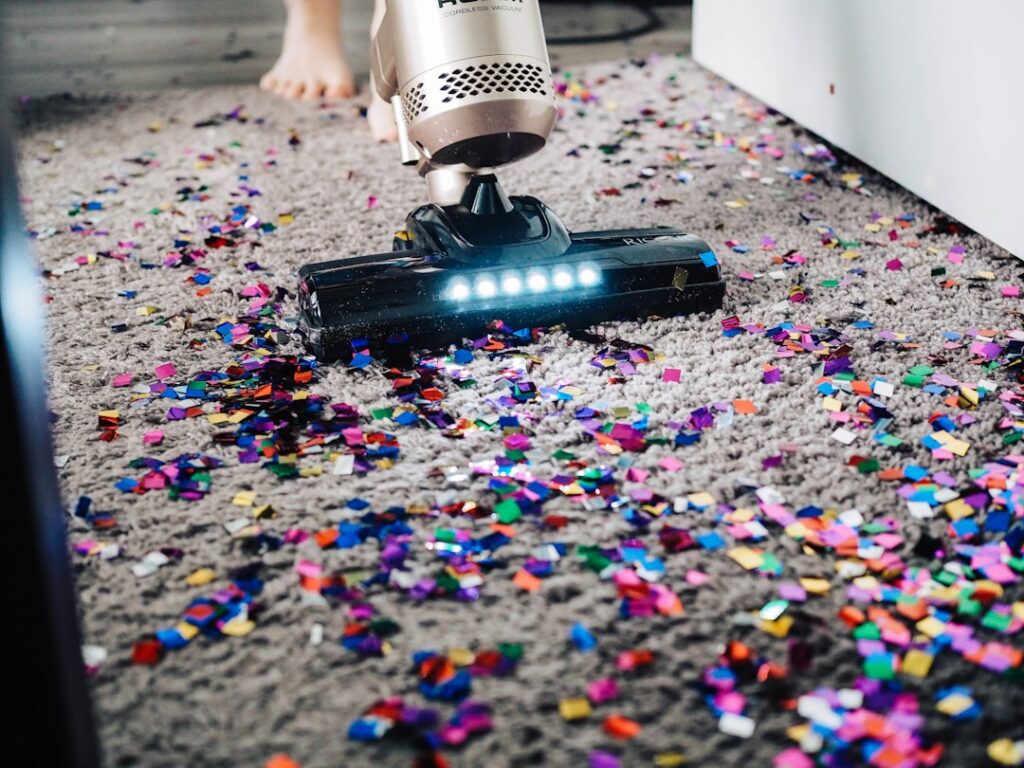
When household carpet machines leave behind dingy traffic lanes and stubborn stains, it is often a sign you need more power than a consumer model can deliver. A commercial grade carpet cleaner offers stronger suction, hotter water, and larger capacity, pulling out embedded dirt that lighter machines miss. Whether you manage a busy household, rental properties, or a small business, understanding what sets commercial machines apart helps you decide between buying and renting and pick the right one. This guide breaks down features, costs, and how to choose wisely.
What Makes a Cleaner Commercial Grade
Commercial grade carpet cleaners are built for heavier, more frequent use than the units sold for occasional home cleaning. They typically feature more powerful motors for stronger suction, larger solution and recovery tanks to clean more area between refills, and more durable components designed to withstand daily operation. Many also heat water to higher temperatures or accept hot tap water, which dissolves dirt and grime more effectively than cold.
The payoff is deeper cleaning and faster drying. Stronger extraction pulls more water and dirt back out of the carpet, leaving fibers cleaner and reducing the soggy, slow-drying result that plagues weaker machines.
Buying vs. Renting
One of the first decisions is whether to buy a commercial machine or rent one when needed. The right answer depends on how often you clean and how much area you cover.
- Rent if: You clean carpets once or twice a year, want professional-level results occasionally, or do not want to store and maintain a large machine.
- Buy if: You clean frequently, manage multiple properties or a business, or want a machine on hand for spills and high-traffic upkeep.
Rental machines from hardware and grocery stores are commonly commercial-style extractors. In USD, daily rentals typically run about $30 to $50, plus cleaning solution, making them economical for occasional jobs.
Key Features to Look For
When evaluating a commercial grade machine to buy or rent, several features separate strong performers from the rest.
- Suction power: Stronger extraction means cleaner, faster-drying carpets.
- Tank capacity: Larger tanks reduce trips to refill and empty, important for big areas.
- Heated cleaning: Built-in heaters or hot-water capability boost cleaning performance.
- Brush system: Rotating brushes agitate fibers to loosen embedded soil.
- Attachments: Upholstery and stair tools extend the machine’s usefulness.
- Build quality: Durable construction handles repeated, heavy use.
Types of Commercial Carpet Cleaners
Commercial machines come in several formats suited to different needs. Upright extractors resemble large home machines and work well for routine deep cleaning. Portable canister extractors offer power in a more compact, movable form, useful for stairs and multiple rooms. Self-contained and walk-behind units handle large commercial spaces. For most homeowners and small property managers, a quality upright or portable extractor covers the job.
Truck-mounted systems used by professional cleaning services are the most powerful but are not practical to own for typical home use.
What Commercial Machines Cost
Buying a commercial grade carpet cleaner is a bigger investment than a consumer model. In USD, entry-level commercial portable extractors generally start around $300 to $600, mid-range machines run roughly $600 to $1,500, and heavy-duty professional units can exceed $2,000. Renting remains the budget-friendly path for infrequent cleaning, while buying pays off when you clean often enough to offset the rental costs over time.
Factor in ongoing costs for cleaning solution, which is sold separately, plus any maintenance and replacement parts for machines you own.
Getting the Best Results
A powerful machine still depends on good technique. Vacuum thoroughly before deep cleaning to remove loose dirt, and pretreat heavy stains and traffic lanes. Use the cleaning solution at the recommended dilution rather than overusing it, since excess detergent leaves residue that attracts dirt. Make slow passes to let the suction extract as much moisture as possible, and finish with dry passes over each area.
Improve drying by opening windows, running fans, and keeping foot traffic off the carpet until it is fully dry, usually several hours. Faster drying reduces the risk of mildew and reappearing stains.
Maintenance for Owned Machines
If you buy, basic upkeep keeps the machine performing. Empty and rinse the recovery tank after every use to prevent odors and buildup. Clean filters, brushes, and nozzles regularly, and flush the system with clean water to clear out residual detergent. Store the machine dry. Following the manufacturer’s maintenance schedule extends the life of a commercial unit considerably.
Hot Water Extraction vs. Other Methods
Most commercial grade machines use hot water extraction, sometimes loosely called steam cleaning, which sprays heated solution into the carpet and immediately vacuums it back out along with the loosened soil. This is the method most carpet manufacturers recommend, and it is what gives commercial extractors their deep-cleaning edge. Two other approaches exist for specific situations. Low-moisture encapsulation uses a polymer that crystallizes around dirt so it can be vacuumed away, which dries fast and suits commercial maintenance between deep cleans. Bonnet cleaning, where an absorbent pad spins over the carpet, is quick but only cleans the surface. For genuine deep cleaning of a soiled carpet, hot water extraction remains the gold standard.
When to Call a Professional Instead
A commercial grade machine handles routine deep cleaning and most household stains, but some jobs still warrant a pro. Severe pet urine contamination that has soaked into the pad and subfloor often needs enzyme treatment and sometimes pad replacement, which a rental machine cannot address. Delicate or wool carpets, antique rugs, and certain stain types (red dye, rust, set-in grease) benefit from professional expertise and specialized chemistry. Whole-house flooding or water damage is another case for professionals with truck-mounted extraction and drying equipment. Knowing the limits of a machine, even a powerful one, saves you from setting stains permanently or over-wetting a carpet that then grows mildew.
The Bottom Line
A commercial grade carpet cleaner delivers the suction, heat, and capacity needed to revive carpets that home machines cannot fully clean. Decide between buying and renting based on how often you clean and how much area you cover, then prioritize suction power, tank size, and durability. Pair the right machine with proper technique and good drying, and you will keep carpets looking fresh whether you own one or rent as needed.