Walk into a 1955 ranch bathroom and odds are you’ll find a wall of glossy pink-orange squares that have outlasted three owners. That color has a name, and coral tile is having a genuine comeback. Whether you want a full retro tribute or a single warm accent stripe behind a vanity, this shade sits in a sweet spot between playful and grown-up. I’ve installed it in beach condos and suburban powder rooms alike, and it photographs far better than most people expect. Here’s how to use it without regret.
What Counts as Coral Tile
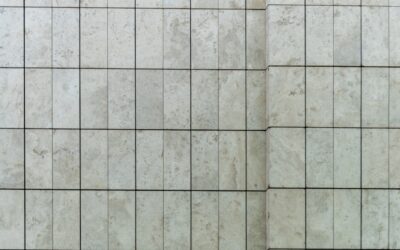
Coral is a warm blend of pink, orange, and a touch of red. In the tile world, the label covers two distinct products. The first is solid-color glazed ceramic or porcelain in a coral, salmon, or peach hue. The second is coral-look tile, meaning porcelain printed to mimic fossilized coral stone or Florida keystone, complete with the pitted, organic texture of real reef rock.
Both have their place. Solid coral reads bold and saturated, perfect for a statement wall. Fossil-look coral stone reads soft and neutral, closer to a warm limestone, and it suits floors and outdoor patios where you want subtle texture underfoot.
Where Coral Tile Works Best
Bathrooms are the classic home for coral. A tub surround or shower niche in glossy coral 4×4 squares nods to mid-century style while staying fresh. Keep it to one wall if you’re nervous, and let the other three stay white.
- Kitchen backsplashes: A coral subway or penny-round backsplash warms up a white or gray kitchen instantly.
- Pools and spas: Coral-tone waterline tile and fossil-stone coping resist salt and UV while echoing a tropical palette.
- Powder rooms: Small spaces are the ideal risk-free lab for bold color. Go full coral floor to ceiling.
- Fireplace surrounds and accent niches: A few square feet of coral zellige-style tile becomes a focal point.
Color Pairing That Actually Works
Coral is warm and slightly loud, so balance it with cooler or neutral partners. My go-to combinations after years of trial and error:
- Coral and crisp white: The safest pairing. White grout and white trim keep coral looking intentional, not dated.
- Coral and sage green: A modern favorite. The muted green cools the orange and feels current without trying too hard.
- Coral and navy or charcoal: High contrast, dramatic, great for a sophisticated powder room.
- Coral and brass: Warm metal fixtures, faucets, and drawer pulls amplify the retro glamour.
Avoid pairing bright coral with warm beige or almond. Two warm tones fighting for attention is exactly what made 1980s bathrooms feel muddy.
The Retro Revival
Original 1950s coral bathrooms used American Olean and similar glazed 4×4 field tile, often with a bullnose chair rail and a matching coral tub and sink. If you’re renovating a period home, you can honor that look by keeping the wainscot height around 48 to 54 inches and capping it with a coral pencil liner.
Modern coral revivals lean cleaner. Think a matte coral hex floor with simple white walls, or a coral zellige backsplash where the color variation from tile to tile does the decorating for you. The retro reference is there, but the room still feels like 2026.
Costs and What to Budget
Coral tile pricing tracks the broader market. Expect glazed ceramic in the $2 to $6 per square foot range, and porcelain, including coral fossil-stone looks, from about $4 to $10 per square foot. Specialty handmade zellige or artisan glossy coral can climb to $15 to $30 per square foot.
Budget for the extras too. Trim and bullnose pieces run $4 to $12 per linear foot, and a matched pencil liner can be more. On a typical 40 square foot backsplash, materials land around $250 to $500 for mid-grade coral porcelain, before thinset, grout, and labor. Professional installation adds roughly $8 to $15 per square foot.
Installation Notes
Nothing about setting coral tile is exotic, but a few details matter with a strong color:
- Grout color changes everything. Bright white grout makes coral pop and read retro. A warm gray grout softens it and hides dirt better. Buy a sample board and test both before committing.
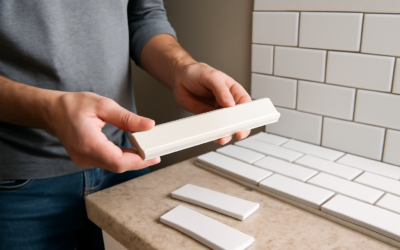
- Use the right thinset. For most walls, a modified thinset over cement board works. Spread with a 1/4 inch square-notch trowel for standard field tile.
- Mind the glaze consistency. Solid glossy coral shows lippage and scratches more than textured stone-look, so keep your surface flat and your lippage tight.
- Seal the fossil-look pieces. Porcelain coral doesn’t need sealing, but any natural coral or keystone product does, especially around pools.
Care and Longevity
Glazed coral porcelain and ceramic are essentially maintenance-free. Wipe with a pH-neutral cleaner and skip anything abrasive that could dull the glaze. The bigger longevity question is style, not durability. Solid coral is a commitment, so if you suspect you’ll tire of it, put it somewhere cheap to swap, like a backsplash, rather than a full shower you’ll live with for 20 years.
For the fossil-stone versions, reseal every couple of years in wet areas and hose off pool coping seasonally to clear salt buildup.
Formats and Shapes to Consider
Coral shows up in more than the old 4×4 square. The shape you pick sets the mood as much as the color does. Small penny rounds and 1 inch hex read vintage and handmade, especially on a floor. A 3×6 or 2×6 subway in glossy coral leans clean and transitional. Larger 4×16 planks or 8×8 squares feel modern and minimize grout lines.
- Zellige-style coral: Handmade Moroccan tile with heavy color variation and a rippled glaze. Every tile is slightly different, which is the appeal.
- Coral hex mosaic: Sold on 12×12 mesh sheets, easy to install and perfect for floors or shower niches.
- Coral fossil-stone porcelain: Large-format, often 12×24 or 24×24, for a soft neutral floor with organic texture.
Ordering tip: buy 10 to 15 percent extra. Glazed coral, especially artisan lots, varies in tone between production runs, and matching a discontinued dye lot later is nearly impossible.
Lighting and Room Size
Color behaves differently under different light, and coral is sensitive to it. Warm 2700K bulbs push coral toward orange and cozy; cooler 4000K light pulls it toward pink and crisp. Natural north light mutes it, while afternoon western sun can make a coral wall glow almost neon. Before you commit, tape a few sample tiles to the wall and look at them at three times of day. In a small windowless powder room, a glossy coral bounces light around and makes the space feel bigger, which is exactly why designers keep reaching for it there.
Is Coral Tile Right for You?
If you love warm, personality-driven spaces and you’re tired of gray-on-gray, coral tile is a smart, on-trend choice that still carries nostalgic charm. Start small, pair it with white or sage, choose your grout deliberately, and you’ll end up with a room that feels custom rather than dated. Done right, coral is one of those colors guests remember, and that’s exactly the point.
Prefer to explore on your own?
See how new flooring looks in your actual room in seconds — free, no signup.
Try the free Floor Studio →