
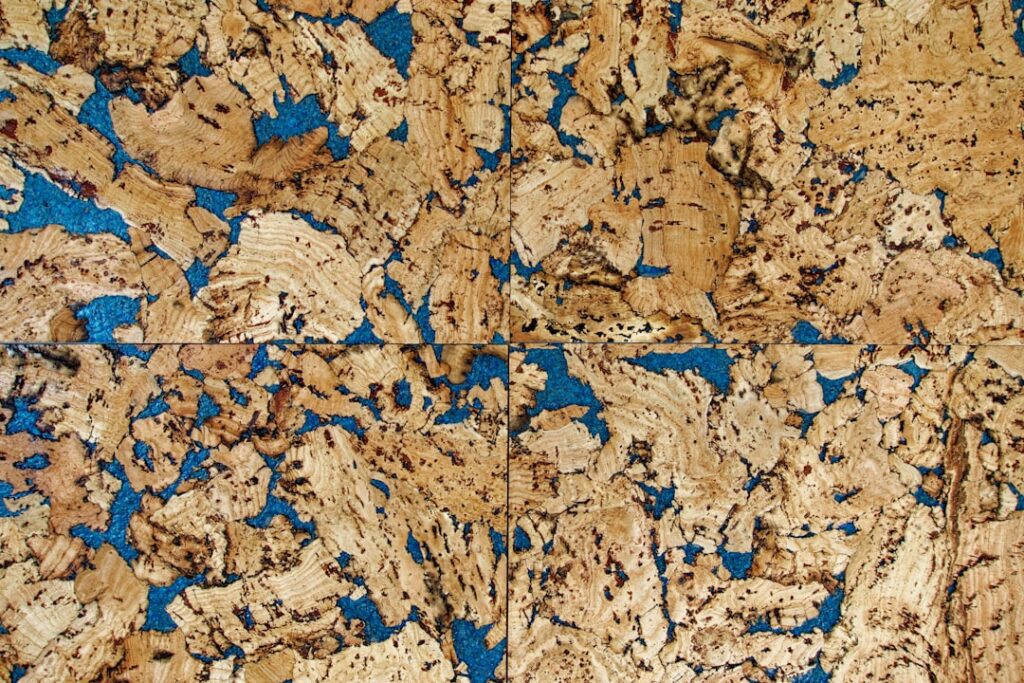
Walk barefoot across cork at 6 a.m. in February and you understand why people fall for it. Cork flooring bedroom installs feel about 5°F warmer underfoot than oak or laminate, absorb impact sound from upstairs neighbors, and forgive dropped phones better than any hard surface I have installed. They also stain if a wine glass tips at 2 a.m. and you sleep through it. After ten years of bedroom installs across cabins in Vermont and second-floor condos in Austin, I can tell you cork is fantastic in the right room and a regret in the wrong one.
Why Cork Belongs in a Bedroom
A bedroom asks four things of a floor: quiet, comfort, warmth, and easy maintenance. Cork delivers on the first three better than almost any alternative under $7 per square foot. Its honeycomb cellular structure traps roughly half its volume in sealed air pockets, which is why a 6mm cork plank measures around R-1.1 in thermal resistance — modest, but enough to noticeably blunt cold subfloors.
Sound dampening is where cork really separates itself. Independent acoustic testing shows IIC ratings between 51 and 64 with standard underlayment, which means footsteps from above arrive as muffled thumps rather than sharp cracks. For shared walls and second-story bedrooms over a kitchen, that difference is the reason cork stays installed.
The Honest Cons
Cork is not bulletproof. Stiletto heels, dog claws, and dragged dresser legs leave visible dents — sometimes permanent, sometimes spring-back depending on grade. Polyurethane finishes hide minor wear but yellow over 8-10 years under direct sunlight from south-facing bedroom windows. UV-stable water-based finishes hold color longer but cost roughly $0.40 per square foot more.
Moisture is the second weakness. Cork tolerates the humidity swings of a normal bedroom (35-55% RH), but a leaking radiator pipe or a kid’s overturned humidifier left running overnight will swell unsealed seams within 12 hours. Glue-down installs handle moisture better than floating click planks because there is no edge gap for water to wick into.
Floating vs. Glue-Down for Bedrooms
Most homeowners default to floating click-lock cork because it installs over existing plywood or even old vinyl with no adhesive mess. Floating cork runs $3.50 to $6 per square foot for the planks, plus $0.30 for cork or rubber underlayment. Expansion gaps of 3/8 inch must stay around the perimeter — hide them with quarter-round or shoe molding.
Glue-down cork tile, the older method, costs $4 to $8 per square foot installed and bonds directly to a clean concrete or plywood subfloor with contact cement or pressure-sensitive adhesive. It feels firmer underfoot, eliminates hollow spots, and lasts longer in homes with heavy furniture. The trade-off is removal: glued tiles are nearly impossible to take up cleanly later.
Real-World Costs
Pricing for a typical 12 x 14 ft bedroom (168 sq ft):
- Materials: $590 to $1,010 for mid-range floating cork
- Underlayment: $50 to $80 for cork or rubber roll
- Trim and transitions: $40 to $90
- Professional install: $3 to $5 per sq ft labor — $500 to $850
- DIY total: roughly $700 to $1,200
Brands worth shopping: APC Cork, Wicanders (Hydrocork is fully waterproof), USFloors Natural Cork, and Globus. Wicanders Hydrocork at around $5.50 per sq ft is the best moisture-resistant option I currently recommend for bedrooms with attached bathrooms.
Finishes and Color Stability
Factory finishes break into three tiers. Bottom tier is acrylic — cheap, scratches in two years, replace by year five. Middle tier is polyurethane (oil or water-based), the standard for most click planks, durable for 10-15 years before refinish. Top tier is ceramic-reinforced or aluminum oxide UV-cured finish, typical on premium European cork, expected life 20+ years.
Color drift catches new buyers off guard. Untreated cork darkens roughly 15% in the first 90 days of UV exposure. Plan accordingly: do not leave area rugs in place during that period, or you will end up with a pale rectangle. Rotate rugs weekly for the first three months.
Subfloor Prep You Cannot Skip
Cork telegraphs every imperfection underneath. Floating cork tolerates 3/16 inch variation across a 10-foot span, glue-down only 1/8 inch. Self-leveling compound at $1.50 per sq ft fixes most concrete dips. On plywood, screw down any squeaky boards every 6 inches, fill seams with patching compound, and sand high spots flat.
Concrete subfloors must test below 4 lbs per 1,000 sq ft per 24 hours on a calcium chloride moisture test. Above that, install a 6-mil polyethylene vapor barrier under floating cork, or use a moisture-mitigating primer before glue-down. Skipping this step is the most common cause of cork failure I see in basement bedroom remodels.
Maintenance Reality Check
A bedroom cork floor is genuinely low effort. Vacuum weekly with a soft-brush attachment, damp-mop monthly with pH-neutral cleaner like Bona or a 1:10 white vinegar solution. Avoid steam mops — the heat and moisture combination delaminates the wear layer over time. Every 7-10 years, plan to recoat with one or two coats of compatible polyurethane to refresh the surface.
Felt pads under every furniture leg are non-negotiable. Heavy items like dressers and bed frames need wider load-spreading pads (2 inches minimum) to prevent permanent indentations. Replace pads annually because the felt wears smooth and starts to grip dust like sandpaper.
Who Should Skip Cork
If your bedroom doubles as a home gym with dropped weights, if you own large dogs that pace at night, or if the room sits over an unconditioned crawl space with chronic humidity above 65%, cork is the wrong choice. In those cases, look at engineered hardwood with a hard aluminum oxide finish or luxury vinyl plank with a rigid SPC core. Both run similar money and tolerate more abuse.
For everyone else — light traffic, climate-controlled spaces, families who value quiet mornings and warm feet — a properly installed cork flooring bedroom remains one of the most underrated upgrades you can make for under $1,500.
Prefer to explore on your own?
See how new flooring looks in your actual room in seconds — free, no signup.
Try the free Floor Studio →

