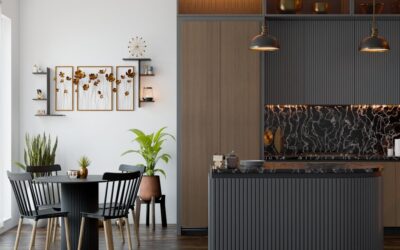
For most of the 2010s, cream cabinets were the dated cousin of bright white. Then designers got tired of stark white kitchens that read clinical in every photo, and the warmer, softer cream comeback began. Cream colored cabinets now appear in roughly 18 percent of new high-end residential kitchens according to NKBA design surveys, up from under 5 percent five years ago. The trick is choosing a cream that actually reads as intentional rather than aged white — and that comes down to undertone, sheen, and the right hardware pairings.
What Makes a Cream Different From a White
Pure white paint reflects roughly 90 percent of visible light. Cream typically falls between 75 and 84 percent reflectance, which means cream rooms feel warmer and softer without sacrificing brightness. The yellow-beige undertone in cream pulls warmth from natural light and complements wood floors, stone counters, and brass hardware in ways pure white cannot.
The difference is subtle on a paint chip. On a 30-foot wall of cabinetry, it is the difference between a cozy kitchen and a operating room.
Best Cream Paint Colors for Cabinets
These show up consistently in published designer kitchens:
- Benjamin Moore White Dove (OC-17) — the most-specified cream-white in America
- Sherwin-Williams Alabaster (SW 7008) — slight beige warmth, popular with farmhouse and transitional
- Benjamin Moore Swiss Coffee (OC-45) — rich and creamy, almost vanilla
- Farrow & Ball White Tie (No. 2002) — historic cream with strong yellow undertone
- Benjamin Moore Cloud White (OC-130) — cleaner, less yellow, works in cooler-light kitchens
- Sherwin-Williams Creamy (SW 7012) — true cream, leans toward beige in warm light
Choosing the Right Cream for Your Light
Sample at home, never in the showroom. Cream colored cabinets shift dramatically under different light:
- North-facing kitchens (cool light) — choose warmer creams like Swiss Coffee or White Tie to balance the blue cast
- South-facing kitchens (warm direct light) — go cooler with Cloud White or White Dove to prevent yellowing under sunlight
- East-facing kitchens (warm morning, neutral afternoon) — White Dove or Alabaster is a safe middle
- West-facing kitchens (orange evening light) — cooler creams prevent the room from looking sickly yellow at sunset
Paint a 16 by 16 inch sample on actual cabinet door material, then live with it under all your kitchen lighting for a full week before committing.
Sheen and Finish Choice
For painted cabinets, satin or semi-gloss is the right sheen. Flat reads like wall paint and shows every grease spot. High-gloss looks dated and shows every imperfection. Matte cabinet paint (specifically formulated cabinet matte like Benjamin Moore Advance Matte) splits the difference for modern looks.
If you are choosing factory-finished cabinets, ask about the conversion varnish or catalyzed lacquer. Those professional finishes hold up to kitchen abuse far better than any DIY paint can.
Countertop Pairings That Work
Cream cabinets need a counter that complements rather than fights the warm undertone:
- White quartz with warm veining (Cambria Brittanicca, Caesarstone Calacatta Nuvo) — classic and timeless
- Honed marble or marble-look quartz — matte finish softens the kitchen further
- Soapstone — dark gray-green grounds the warm cream above
- Butcher block — adds natural wood tones, very farmhouse
- Black granite or quartz — high contrast, dramatic, works in larger kitchens
Avoid cool gray quartz with strong blue veining — it creates a clash between warm cabinets and cool counter that no amount of styling fixes.
Hardware Choices
Cream colored cabinets get along with almost any hardware finish, which is why they are so versatile. Most-photographed combinations:
- Unlacquered brass — develops patina over time, traditional and warm
- Polished nickel — slightly cool, works in transitional and modern
- Oil-rubbed bronze — strong contrast, classic farmhouse
- Matte black — modern crisp contrast, very current
- Aged brass — pre-patinated, no waiting for development
Stay away from chrome (too cool, fights the cream) and antique copper (clashes with the yellow undertone in most creams).
Backsplash Options
Subway tile in soft white or cream extends the cabinetry color up the wall — a forever-classic combination. Marble mosaics (basketweave, herringbone) add elegance. Zellige tile in soft white with handmade variation is the trending option for 2026 — its subtle imperfection complements the warmth of cream paint.
Glossy white subway can look stark next to cream. Hand-glazed or eggshell-finish tile reads warmer and fits better.
Wall Color Pairings
Walls behind cream cabinets should support, not compete. Soft greige (Benjamin Moore Edgecomb Gray, Sherwin-Williams Accessible Beige) is the most versatile choice. Pale sage green or deep navy create more drama for accent walls. Avoid pure bright white — it makes the cream look dingy by comparison.
Avoiding the Dingy Look
The biggest fear with cream colored cabinets is that they will look yellowed and dirty within a few years. Three habits prevent this.
Wipe cabinets monthly with a microfiber cloth and dish soap solution — grease accumulates fastest near the stove and dishwasher. Replace cool LED bulbs (4000K and above) with warm LEDs (2700K to 3000K) to flatter the cream undertone. Avoid mounting cabinets too close to a frequently used coffee maker or stovetop without a good range hood — coffee oils and cooking spatter dull the finish.
Cost Considerations
Cream cabinets cost the same as white cabinets in factory-finished products. If you are repainting existing cabinets, expect $1,800 to $4,500 for professional repaint of a typical kitchen, or $200 to $400 in materials for a DIY project (Benjamin Moore Advance, foam rollers, sandpaper, primer).
Plan a long weekend for DIY — cabinets need to dry between coats and the doors should be removed and painted flat for the best finish.
Trend Longevity
Cream cabinets have been a periodic favorite for over a century — they were standard in 1920s and 1950s American kitchens before the all-white trend took over. Each generation rediscovers the warmth. The current cycle should run another 5 to 8 years before tastes shift again, but unlike trend colors, a quality cream cabinet rarely looks badly dated even decades later.