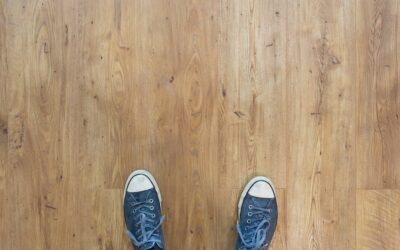
The cool gray everything that dominated 2018 to 2022 is finally on its way out. Buyers walking into showrooms in 2026 are picking warmer tones, wider planks, and natural visuals that the previous decade pushed aside. Current flooring trends reflect a broader shift in interior design away from sterile minimalism toward materials that look lived-in, hand-touched, and durable. The good news: these trends generally favor products that hold their value visually for longer than the cool-gray waves of the last decade.
Here’s what’s selling, what’s fading, and what to choose if you want a floor that still looks fresh in 2032.
Wide-Plank Wood Visuals Are Winning
The single biggest visual shift across LVP, laminate, and engineered hardwood is plank width. Where 5-inch planks were standard five years ago, 7 to 9-inch is now the volume seller, and 10 to 12-inch planks are commanding premium pricing. The wider format:
- Makes small rooms look larger
- Reduces visible seams
- Shows wood grain pattern more dramatically
- Reads as higher-end at the same material spec
COREtec Pro Plus Enhanced 7-inch ($4.49 to $5.49 per sq ft), Mohawk SolidTech Plus 9-inch, and Shaw Floorte Pro Endura 7-inch all sell briskly in this category. Plan for a slightly higher waste factor (10 to 12 percent vs 7 to 8 for narrower planks) because longer cuts at room ends generate more scrap.
Warm Tones Replacing Cool Grays
The shift in color palette is unmistakable. Best-selling colors in 2026 include:
- Warm wheat and natural oak (light blonde with honey undertones)
- Smoked and washed white oak (subtle gray-brown layering)
- Greige (a balanced gray-beige that flatters most lighting)
- Walnut and dark stained oak (returning after years of dormancy)
- Aged barnwood and reclaimed-look hickory (rustic character)
The cool grays that defined 2018 to 2022 (silver oak, slate, fog) are still available but selling at 20 to 30 percent discount as showrooms clear inventory. If you’re choosing now and plan to stay in the home 10 plus years, the warm-toned products will photograph better and feel less dated.
Large-Format Tile Going Bigger Still
Tile has gone in the opposite direction of wood, getting larger every year. The 24×48 in porcelain that was considered cutting-edge five years ago is now standard. Current pricing:
- 12×24 in porcelain: $1.99 to $4.99 per sq ft material (declining)
- 24×48 in porcelain: $3.49 to $7.99 per sq ft material (growing)
- 48×48 in slabs and 60×120 in gauged porcelain panels: $7 to $18 per sq ft material (premium)
Installation labor scales with size. A 24×48 tile costs $11 to $18 per sq ft installed because of the substrate flatness requirements (no more than 1/8 inch deviation in 10 feet) and the cut precision needed. The reward is fewer grout lines and a more contemporary slab-look aesthetic.
Herringbone and Chevron Patterns Return
Pattern installs are back after almost two decades of straight-lay dominance. Current showings:
Herringbone in 6×24 in LVP planks has become the most-requested pattern install of 2026. Mohawk, Shaw, and COREtec all offer products specifically designed for herringbone with directional locking systems that simplify installation. Material cost typically runs $1 to $2 per sq ft more than straight-lay, and labor adds 30 to 50 percent.
Chevron (45-degree mitered ends) is the more dramatic cousin, typically reserved for entries, dining rooms, and feature spaces. Each plank requires precision miter cuts, pushing labor to $6 to $10 per sq ft.
The SPC Revolution in Vinyl
Stone polymer composite (SPC) core LVP has overtaken wood-plastic composite (WPC) as the dominant vinyl flooring construction. SPC is denser, more dimensionally stable through temperature swings, and supports thicker wear layers without being unwieldy. The trade-off is that SPC feels harder underfoot than WPC.
The premium category within SPC, often labeled “rigid core” or “enhanced SPC,” features 20-mil to 30-mil wear layers with attached cork or rubber underlayment. Pricing runs $4.49 to $7.99 per sq ft material for products that genuinely last 20 plus years in residential settings.
What’s Fading
Five categories losing market share:
- Glossy finishes: High-gloss laminate and polyurethane hardwood are out. Matte and low-sheen finishes dominate.
- Beveled distressed LVP: The “rustic farmhouse” wave is past its peak. Cleaner edges and subtler texture are taking over.
- Cool blue-gray tones: Discontinued or discounted across most brands.
- Carpet in main living areas: Still strong in bedrooms but declining in family rooms and basements.
- Engineered bamboo: The bamboo wave of 2010 to 2015 has receded as the category struggled with durability and resale value.
Sustainable and Healthy Materials
Indoor air quality and sustainability are influencing purchasing decisions more visibly than five years ago. Look for:
- FloorScore certification (low VOC emissions)
- FSC-certified hardwood from responsibly managed forests
- GreenGuard Gold-rated LVP and laminate
- Phthalate-free vinyl products (most premium LVP now qualifies)
- Cork and natural linoleum returning in eco-conscious specifications
Brands marketing aggressively in this space include Mohawk EverStrand (carpet), Shaw Cradle to Cradle Certified product lines, and Marmoleum natural linoleum.
Mixed-Material Floor Plans
The all-one-flooring-throughout look that defined 2015 to 2020 is giving way to thoughtful material transitions. Common 2026 combinations:
- Hardwood or LVP in main living areas with tile in kitchens and primary bathrooms
- Carpet only in bedrooms with hard surface everywhere else
- Patterned tile (cement-look, encaustic) as feature areas inside larger LVP installations
- Engineered hardwood upstairs, LVP in basements
Done well, this creates visual interest and matches material durability to actual room use. Done badly (too many materials, awkward transitions), it chops up the home.
What to Choose Now
If you want a floor that will still look current in 2032, the safest bets in line with current flooring trends are: 7-inch wide-plank LVP in warm wheat or smoked oak tones, 24×48 in porcelain in soft beige or warm gray for tile zones, and an emphasis on matte finishes over gloss across the board. Avoid extremes (very dark, very light, very glossy, very rustic) and you’ll have a floor that ages with the design world rather than against it.
Prefer to explore on your own?
See how new flooring looks in your actual room in seconds — free, no signup.
Try the free Floor Studio →