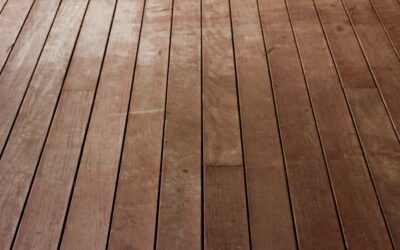
A dance floor is not just a flat surface; it is a precisely engineered system that absorbs impact, provides controlled slip, and protects dancers from career-ending injuries. The wrong dance floor material can cause shin splints, knee damage, and stress fractures within weeks of regular use. The right system, costing as little as $4 per square foot for a basic Marley installation or as much as $35 per square foot for a fully sprung studio floor, gives dancers the shock absorption and traction they need across ballet, contemporary, hip-hop, tap, and ballroom. Whether you are building a home studio, a professional dance space, or sourcing a portable floor for an event, the choice comes down to four material categories and the subfloor underneath them.
What Makes a Dance Floor Different
Dancers land with forces 3 to 5 times their body weight per jump. Concrete or rigid floors transmit that impact directly to ankles, knees, hips, and spine. A proper dance floor uses either spring-loaded substructure or a resilient subfloor pad to absorb impact and return some energy. The American Guild of Musical Artists and the National Dance Education Organization both publish guidelines recommending sprung floors for any space where dancers train more than 2 hours per week.
Traction is the second variable. Ballet needs a low-friction surface for turns. Ballroom needs a slightly slick surface for glides. Tap needs a hard, resonant top surface. Hip-hop benefits from a textured, higher-grip floor. One material rarely serves all styles equally.
Marley Vinyl: The Industry Standard
Marley is a brand name that has become generic for the heavy-duty vinyl rolls used in nearly every professional dance studio. Manufactured by Harlequin, Rosco, Stagestep, and others, Marley sheets typically run 5 to 6 feet wide in 30 to 100 foot rolls, with thicknesses from 1.5 mm to 8 mm depending on application.
Cost runs $3 to $7 per square foot for the material plus $1 to $2 per square foot for installation. Most Marley installs over an existing wood subfloor or sprung system. The vinyl provides controlled slip ideal for ballet and contemporary work. Rosco Dance Floor with the Reversible finish ($5.50 per square foot) is one of the most common picks: matte on one side, gloss on the other, with a 5 to 10 year service life under heavy use.
Sprung Subfloors
A sprung floor is what separates a real dance studio from a fitness room. The subfloor system sits on either compression foam blocks, leaf-spring battens, or pneumatic spring assemblies, with a plywood deck on top. The Marley topcoat installs over the plywood. Total system thickness ranges from 3 to 6 inches.
Pricing tiers for sprung floor systems:
- Basic foam block sprung floor: $6 to $10 per sq ft installed
- Mid-tier basket-weave or batten system: $12 to $20 per sq ft
- Premium pneumatic spring systems (Harlequin Liberty): $25 to $40 per sq ft
For a 600 square foot home dance studio, expect $4,000 to $12,000 for a properly sprung floor system. Cheaper than a knee surgery, which is what untreated concrete-on-vinyl leads to.
Hardwood for Tap and Ballroom
For tap, ballroom, and some character dance styles, hardwood provides the sound and the slide that vinyl cannot. White oak, maple, and birch are the typical species, with maple being the dominant choice for performance floors. Robbins Sport Surfaces and Junckers both supply sprung maple systems used in the American Ballet Theatre’s training facilities.
Solid maple installed over a sprung subfloor runs $18 to $35 per square foot. Engineered maple over a foam pad runs $12 to $20 per square foot. Both finish with a polyurethane sealer that requires periodic refinishing every 3 to 5 years depending on traffic. Hardwood is also the most aesthetically traditional for ballroom studios.
Portable Dance Floors for Events
Wedding venues, theaters, and event rental companies use portable dance floor systems that snap together over carpet or grass. Snaplock and Stagestep both make 12-inch by 12-inch interlocking tiles in vinyl, wood-look, or LED variants. Cost is $3 to $8 per square foot to purchase, with rental rates around $1.50 per square foot for a weekend event.
Portable systems do not absorb impact and should not be used for serious dance training. They are designed for social dance and event use where dancers wear regular shoes and the surface needs to be set up and removed quickly. Setup time for a 400 square foot floor runs about 30 minutes for two people.
Subfloor Considerations
The subfloor under your dance surface determines safety more than the top layer. Acceptable subfloors include:
- Concrete slab: only with a sprung system on top; never Marley directly
- Plywood over joists: with foam pad and Marley, or sprung battens for serious training
- Existing hardwood: surveys for sound subfloor before laying Marley
- Tile or vinyl over slab: must be removed before installing dance flooring
If your space has a slab subfloor, budget for the sprung system. Skipping that step to save $4,000 will cost dancers their joints over the following year.
Style-Specific Recommendations
Match the material to the primary use:
- Ballet: Sprung floor with matte Marley, 5 to 6 mm thickness, low slip rating
- Contemporary: Sprung floor with reversible Marley, mid-grip surface
- Tap: Sprung maple with polyurethane finish, no Marley
- Ballroom: Solid or engineered maple with semi-gloss finish
- Hip-hop: Sprung floor with high-grip Marley like Rosco Adagio Tour
- Multi-style studio: Sprung subfloor with reversible Marley, swappable for tap when needed
Installation and Maintenance
Marley vinyl installs with either tape edges (for portable use) or fully bonded with vinyl adhesive (for permanent install). Bonded installations require 24 to 48 hours of cure time at room temperature before dancing on the floor. Cleaning uses a manufacturer-specified product like ProClean by Rosco at $30 per gallon; harsh cleaners damage the vinyl coating and create slip hazards.
Inspect the floor monthly for tape lift, seam separation, or scratches. Address damage immediately because dancers catch toes in lifted edges and injure themselves. Plan for full Marley replacement every 7 to 10 years in a heavily used studio.
Permits and Codes
For commercial dance studios, the IBC and local building codes typically require permits for any change to flooring or structural subfloor. Sprung floor systems that exceed 4 inches in height may trigger ADA threshold-transition requirements at door openings. NFPA fire ratings apply to vinyl Marley, with Class A or Class B ratings required in most commercial spaces.
For home studios under 400 square feet, most jurisdictions do not require permits as long as you do not alter joists or structural elements. Verify with local building department before starting.
Picking the right dance floor material protects dancers, satisfies codes, and produces the sound and feel each style requires. Match the system to the use, do not skip the sprung subfloor for serious training, and the floor will support dancers safely for a decade or more.
Prefer to explore on your own?
See how new flooring looks in your actual room in seconds — free, no signup.
Try the free Floor Studio →