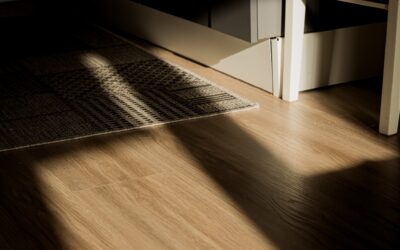
Dark floors are one of those design choices that look stunning in showroom photos and absolutely punishing on a dusty Tuesday morning when sun streaks across the room. Dark LVP flooring shows every footprint, pet hair, and stray crumb the way light flooring never will, but it also delivers a depth, drama, and luxury feel that no medium-tone product can match. The category has expanded dramatically in 2026 with espresso, ebony, walnut, smoked oak, and weathered black plank options across every major brand. Picking right comes down to lifestyle, lighting, and how seriously you take cleaning.
Color Range Within “Dark” LVP
Dark covers a wide spectrum. Espresso is the warmest, reading rich brown with red undertones. Walnut tones lean deep brown with subtle gold flecks. Smoked oak adds gray to the mix for a more contemporary look. True ebony and black are dramatic but require careful pairing with wall colors. Weathered black, with visible distressing and lighter grain accents, is a current bestseller because it reads dark without showing every speck of dust.
Test samples in your actual room lighting before buying. A plank that looks rich espresso in fluorescent showroom light can read flat brown under warm 2700K LEDs at home. Bring three or four samples home, lay them on the floor for two days, and view them at different times of day. The color shifts more than you would expect.
Pros That Sell Dark LVP
The visual impact is immediate. A 14 x 18 ft living room floored in 7-inch wide dark walnut plank reads $50,000 more expensive than the same room in light beige LVP. Real estate listing photos pop with dark floors, and showings in person typically generate stronger offers when the floor commands attention.
Scratches are less visible on dark grain than light grain. The deep base color hides minor surface scuffs that would jump out on white oak or maple LVP. Pet owners with active dogs often prefer dark floors specifically because daily wear stays invisible longer between deep cleans.
Cons That Get Noticed Daily
Dust shows. White pet hair, fine dust, and food crumbs all stand out against dark floors in raking light. Plan on sweeping or vacuuming daily in high-traffic areas, twice daily in homes with shedding pets. A robot vacuum like the Roomba j7+ or Roborock S8 Pro Ultra at $700 to $1,300 makes the maintenance manageable.
Sunlight fades dark LVP faster than light tones. UV exposure across south and west-facing windows can lighten the surface noticeably within three to five years if you do not have UV-filtering window film. Hunter Douglas Designer Roller Shades or 3M Prestige 70 Window Film at $9 per sq ft prevent the issue. Without protection, the photo-printed wear layer of dark LVP flooring can ghost under furniture lines.
Best Brands and Pricing
The dark LVP category has reliable options across price tiers:
- COREtec Pro Plus Smoked Oak: $4.20 to $5.40 per sq ft
- Karndean Art Select Walnut Espresso: $6.50 to $7.80 per sq ft
- Mannington Adura Max Black Forest: $5.20 to $6.20 per sq ft
- Mohawk SolidTech Plus Ebony: $3.80 to $5.00 per sq ft
- Shaw Floorte Espresso Walnut: $3.50 to $4.80 per sq ft
- LifeProof Vintage Cliff Oak: $2.50 to $3.40 per sq ft
- NuCore Performance Charred Hickory: $2.90 to $3.80 per sq ft
The sweet spot for dark plank is $4.00 to $5.50 per sq ft. Below that, the dark base color hides print-quality issues but the texture and embossing get cheaper. Karndean and Mannington offer the deepest visual quality but at premium prices.
Pairing Dark LVP With Wall Colors
Off-white, warm beige, and soft greige walls work best with dark floors in most rooms. Pure white walls look stark and cold against ebony floors unless you balance with warm wood furniture and brass accents. Avoid dark walls plus dark floors unless the room has full south-facing windows. The combo can feel oppressive in north-facing rooms or any space under 200 sq ft.
Trim color matters more than wall color. White or off-white baseboards and door casings frame the dark floor and prevent the room from feeling like a cave. Painting baseboards the same dark tone as the floor is a current trend in luxury homes but requires bright walls and tall ceilings to work.
Lighting Strategy for Dark Floors
Dark LVP absorbs light. Plan on 30% to 50% more lumens than the same room would need with light flooring. Layer light sources at multiple heights, including overhead fixtures, table lamps, floor lamps, and accent lighting. A single overhead fixture in a 12 x 14 ft room with dark floors will feel dim no matter how bright the bulb.
Color temperature matters. Stick to 2700K to 3000K bulbs for warmth. Cooler 4000K and above reads sterile and clinical against rich dark wood tones. LED color rendering index of 90 or above shows the floor’s true color, while cheap LEDs at CRI 80 make dark floors look flat and lifeless.
Best Rooms for Dark LVP
Living rooms, dining rooms, and primary bedrooms with abundant natural light handle dark LVP beautifully. The drama suits formal entertaining spaces and adult retreats. Home offices with dark floors and warm wood furniture create a focused work environment.
Avoid dark LVP in small bathrooms under 50 sq ft, north-facing rooms with limited natural light, and homes with multiple long-haired pets unless you commit to daily vacuuming. Kitchens are workable if you have good lighting and accept that flour, sugar, and crumbs show. Mudrooms with dark floors and tracked-in salt or sand from boots are a maintenance nightmare. Pick lighter LVP for those zones.
Resale and Long-Term Value
Dark floors trend with the market. Espresso peaked around 2015 and has softened slightly. Modern weathered grays and smoked oak in deep tones are currently strong. Pure black and ebony are polarizing for resale and may turn off some buyers in conservative markets. Pick dark LVP if you plan to stay 7 plus years. For homes you may sell in three years, medium-tone neutrals appeal to a wider buyer pool.
Replace dark LVP every 20 to 30 years for a fresh look. The wear layer holds up that long, but design trends shift. A 25-year-old dark floor in a Y2K espresso reads dated against fresh modern listings. Plan refresh cycles that align with major remodel events like kitchen updates or full repaints.
Prefer to explore on your own?
See how new flooring looks in your actual room in seconds — free, no signup.
Try the free Floor Studio →