
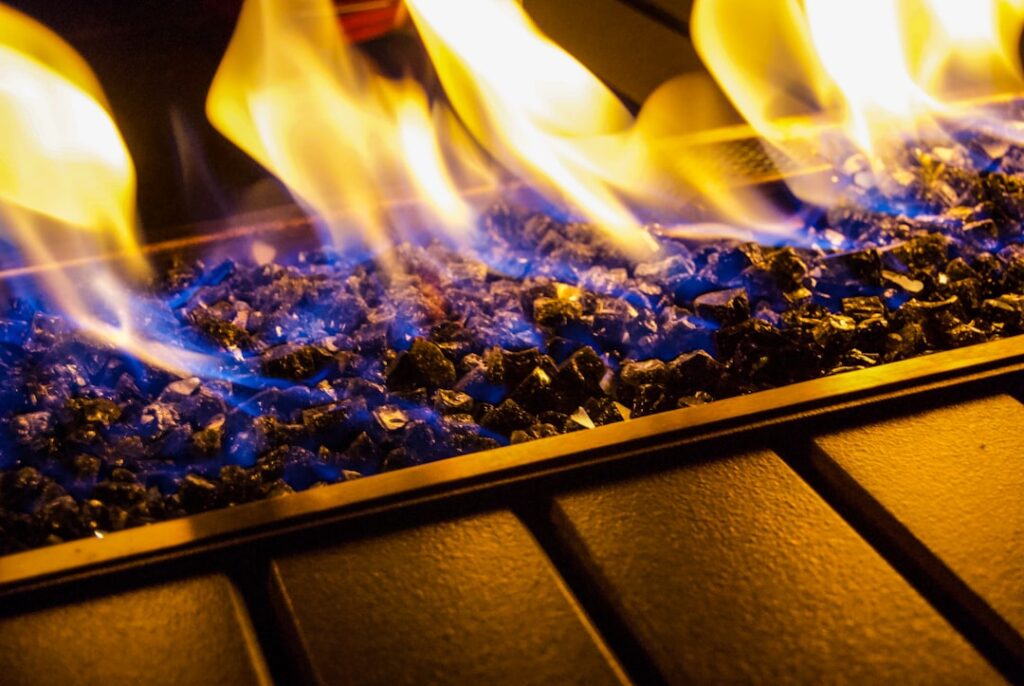
Many homeowners assume that because a gas fireplace burns clean and produces no ash or soot pile, it is maintenance-free. So do gas fireplaces need to be cleaned? Yes, absolutely, and the fact that they look tidy is exactly why the need gets overlooked. Even a clean-burning gas unit accumulates dust, debris, mineral deposits, and residue on the glass, logs, and burner, and its venting and safety components require annual attention. Skipping that maintenance is not just a cosmetic issue; it is a genuine safety matter involving carbon monoxide and gas function. Here is what needs cleaning, how often, and when to call a professional.
Yes, and Here Is Why It Matters
Gas fireplaces stay cleaner than wood-burning ones, but they are far from self-maintaining. Over a season, dust settles on the logs and burner, spiders and insects can nest in gas ports, mineral and combustion residue fogs the glass, and the venting system can develop blockages or wear. Left unaddressed, these problems reduce efficiency, dim the flame, cloud your view, and, most seriously, can interfere with proper combustion and venting. Regular cleaning keeps the fireplace burning efficiently, looking good, and, critically, operating safely.
How Often to Clean and Service
A gas fireplace needs both light routine upkeep and a thorough annual service. Matching the task to the schedule keeps it simple.
- Monthly during use: dust the exterior and wipe the glass as needed
- Seasonally: vacuum the interior, logs, and burner area to clear dust and debris
- Annually: a full inspection and cleaning of the burner, venting, and safety components, ideally by a professional before the heating season
The best time for the annual service is late summer or early fall, before you rely on the fireplace, so any worn part or blockage is caught before daily use.
Cleaning the Glass
The glass is the part homeowners notice most, since a white or cloudy film builds up from combustion byproducts and mineral deposits. Always start by shutting off the gas and letting the unit cool completely, then carefully remove the glass panel per the manufacturer’s instructions. Clean it with a cleaner made specifically for gas fireplace glass, since regular ammonia-based glass cleaners can etch or damage the special glass and leave streaks. Wipe gently, let it dry fully, and reseat the panel securely so its gasket seals properly, which matters for safe venting.
Cleaning the Logs and Burner
The ceramic logs and the burner deserve careful, gentle attention because they are both delicate and functionally important. With the gas off and the unit cool, note the exact position of each log before removing them, since correct placement is essential for a proper flame and to avoid soot or sooty carbon buildup. Gently dust or lightly vacuum the logs with a soft brush attachment; do not soak or scrub them, as they are fragile and porous.
Vacuum dust and debris from the burner and around the gas ports, and check that the small ports are clear, since clogged ports cause an uneven or weak flame. Inspect for spider webs or insect nests, a surprisingly common cause of ignition problems. Return the logs to their exact original positions when finished.
Venting and Carbon Monoxide Safety
This is the part that turns cleaning from a chore into a safety necessity. Gas combustion produces carbon monoxide, an odorless, colorless, and deadly gas, and the venting system is what carries it safely out of your home. A blocked, disconnected, or deteriorated vent can allow CO to build up indoors.
An annual professional service includes inspecting the venting for blockages, corrosion, and proper connection, plus checking the gas connections, valves, and safety shutoffs for leaks. You should also have working carbon monoxide detectors near the fireplace and on every level of the home, and test them regularly. If you ever smell gas, see a yellow or sooty flame instead of a steady blue-to-yellow flame, or feel unwell when the fireplace runs, shut it off and call a professional immediately.
DIY Versus Professional Service
You can safely handle the routine cosmetic work yourself: dusting, vacuuming, cleaning the glass with the correct cleaner, and gently cleaning the logs, always with the gas off and the unit fully cool. That covers appearance and basic upkeep.
The annual deep service, though, belongs to a qualified technician. Inspecting the burner and ignition system, checking gas pressure and connections, evaluating the venting, and testing safety controls require training and tools most homeowners lack. Given that the stakes include gas leaks and carbon monoxide, the yearly professional visit is money well spent, typically in the range of $100 to $200.
Warning Signs Your Fireplace Needs Attention Now
Beyond the routine schedule, your fireplace often tells you when something is wrong, and recognizing these signals can prevent a hazard. A healthy gas flame burns mostly blue with soft yellow tips and looks steady. Changes in that behavior are worth investigating promptly rather than waiting for the annual service.
- A lazy, mostly yellow, or sooty flame signals incomplete combustion and possible carbon monoxide
- Black soot building up on the glass, logs, or surround points to a burner or airflow problem
- A strong gas smell means shut it off immediately and call for service
- Difficulty igniting or a weak flame often indicates clogged ports or a failing igniter
- Excess condensation or odd odors when running can indicate a venting issue
Any of these deserves attention, and a gas smell or a carbon monoxide alarm is an emergency: turn off the fireplace, ventilate, leave if needed, and call a professional or your gas utility.
Seasonal Care Between Services
Keeping a gas fireplace in good shape is easier when you build small habits around how you use it. At the start of the heating season, before your professional service or your first fire, do a quick visual check for dust buildup, spider webs, and anything that has fallen into the firebox over the warm months. Run the fireplace briefly with a window cracked the first time to burn off accumulated dust, which can smell for a few minutes.
During the season, dust the exterior and mantel regularly and wipe the glass whenever it clouds, always with the unit off and cool. At the end of the season, if your model has a standing pilot light, ask your technician whether to turn it off for the summer to save gas and reduce heat and humidity around the unit. Testing your carbon monoxide and smoke detectors when you change your clocks keeps the most important safety layer working year-round.
The Bottom Line
So, do gas fireplaces need to be cleaned? Without question. Handle the light dusting, glass cleaning, and gentle log care yourself throughout the season, and book a professional inspection and service once a year before you start using it. Keep the glass, logs, and burner clean for a bright, efficient flame, and never skip the venting and carbon monoxide checks, because with a gas appliance, safety and cleaning are the same job.


