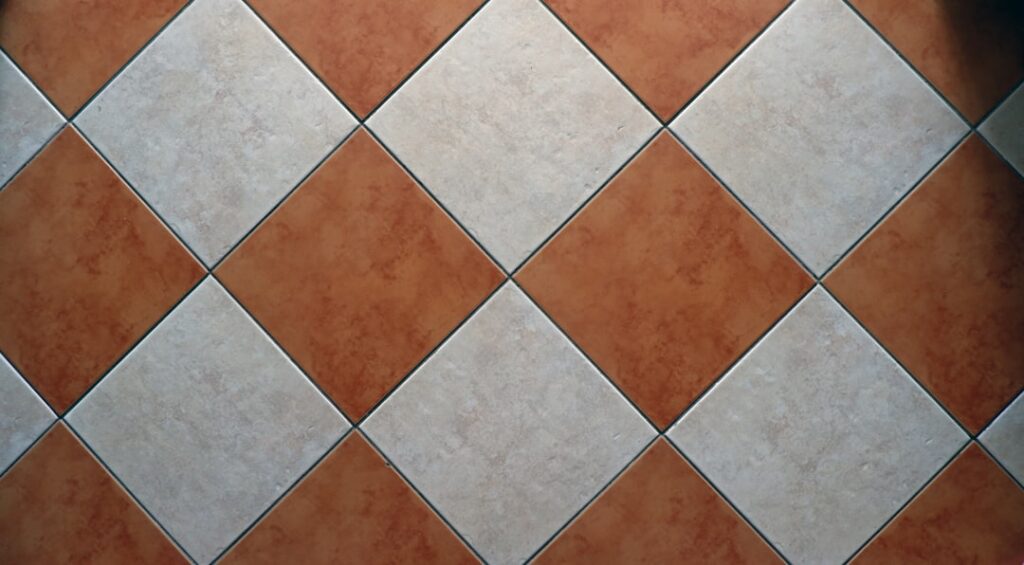
Tile shoppers obsess over the tile and treat grout as an afterthought, and that is exactly backward. The grout color frames every single tile and can make a beautiful floor look cheap or a plain tile look custom. Driftwood grout is one of the most reliable colors in the catalog for exactly this reason: a soft, warm gray-beige that reads neutral, hides dirt well, and flatters wood-look planks, travertine, and a wide range of stone and ceramic. It is a popular shade offered by major grout makers. Here is how to choose it, apply it, and keep it looking right.
What Driftwood Grout Looks Like
Driftwood is a warm, muted neutral that lands between gray and beige, often called a greige. It evokes the weathered, sun-bleached tone of wood washed up on a beach, soft and earthy without being stark. That balance is the appeal. It is light enough to keep grout lines from looking heavy and dark, yet warm and mid-toned enough to hide everyday dirt far better than a bright white.
Color names and exact shades vary by manufacturer, so a driftwood from one brand may differ slightly from another. Always confirm the shade against a physical grout color sample or a cured grout chip, since wet grout looks darker than it does once fully cured and dry.
Why This Color Works So Well
Driftwood’s popularity comes down to versatility and practicality.
- It flatters wood-look tile. The warm greige tone blends naturally with plank tile in oak, gray, and weathered finishes, keeping the grout lines subtle so the floor reads like wood rather than tile.
- It complements natural stone. Travertine, limestone, and many marbles carry beige and gray undertones that driftwood picks up beautifully.
- It hides dirt. Unlike bright white, which shows every footprint and traffic line, a mid-toned greige disguises everyday soil between cleanings.
- It is forgiving. A neutral grout is easier to live with long term than a trendy color you tire of.
Matching Driftwood Grout to Your Tile
Grout color choice generally follows one of two strategies.
- Blend it in. Choose a grout that closely matches the tile so the grout lines recede and the surface reads as one continuous field. Driftwood blends well with beige, tan, and warm-gray tiles for this seamless look.
- Add subtle contrast. Pick a grout a shade or two off the tile to define each piece without the harshness of a high-contrast line. Driftwood gives gentle definition against lighter tiles.
For most homeowners, the blend-in approach with a neutral like driftwood produces a calm, timeless result that does not date. Always hold the actual cured grout sample against your specific tile in the room’s lighting before committing, because undertones shift dramatically between showroom and home light.
Choosing the Right Grout Type
The color is only half the decision; the grout formula matters too.
- Sanded cement grout: The standard for joints wider than about 1/8 inch. Strong and economical, but porous and needs sealing.
- Unsanded cement grout: For narrow joints under 1/8 inch and delicate or polished tiles that sand could scratch.
- Epoxy grout: Stain-resistant, waterproof, and never needs sealing. Pricier and trickier to work with, but excellent in wet areas and kitchens.
For a floor or a high-use area, many homeowners choose epoxy or a high-performance grout in the driftwood color to lock in the stain resistance and skip the resealing chore.
Applying Driftwood Grout
Application follows standard grouting technique.
- Mix to the right consistency, following the manufacturer’s water ratio precisely. Too much water lightens and weakens cement grout and can cause uneven color.
- Work it into the joints with a rubber float held at an angle, pressing to fill every gap fully.
- Wipe with a damp, well-wrung sponge, rinsing often, to shape the joints and clear excess from the tile faces.
- Remove the haze once the grout firms up, polishing the tile with a dry cloth.
- Let it cure fully before sealing or heavy use, typically 48 to 72 hours for cement grout.
Consistency is everything with cement grout color. Mix all batches the same way, since varying the water content batch to batch produces blotchy, uneven shading that no amount of cleaning fixes.
Sealing and Long-Term Care
Cement grout is porous, so seal it after it cures to lock out stains and keep the color even. Apply a penetrating grout sealer, and reseal periodically in floors and wet areas, often once a year. Epoxy grout skips this step entirely, which is a major reason it earns its higher cost in busy spaces.
For routine cleaning, use a pH-neutral or mild cleaner and a soft brush on the grout lines. Avoid harsh acids and bleach, which can erode cement grout and discolor it over time. A mid-toned color like driftwood is far more forgiving of everyday soil than white, but staying ahead of grime keeps the warm greige tone looking fresh. For stubborn buildup, a dedicated grout cleaner and a stiff nylon brush restore the original color without damaging the joints.
Changing the Color Later
One reassuring fact about grout color: it is not permanent. If you inherit a floor with the wrong grout shade or your white grout has yellowed beyond cleaning, a grout colorant or stain can recolor cured cement grout to driftwood without ripping out a single tile. The product seals as it colors, which is a bonus. The catch is that grout stains work on cement grout, not epoxy, and the joints must be clean and fully cured first. For a tired floor, recoloring the grout to a forgiving greige like driftwood is one of the highest-impact, lowest-cost refreshes you can do in a weekend.
Is Driftwood Grout the Right Choice?
If you want a neutral, forgiving grout that flatters wood-look tile and warm-toned stone while hiding everyday dirt, driftwood grout is a smart, timeless pick. Confirm the exact shade against a cured sample in your own lighting, choose the grout formula that fits your joint width and traffic, mix every batch consistently, and seal cement grout once it cures. Get those steps right and this warm greige color will frame your tile cleanly and stay looking good for years without the constant upkeep a bright white grout demands.