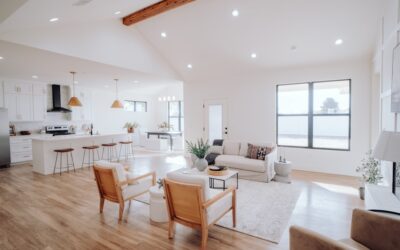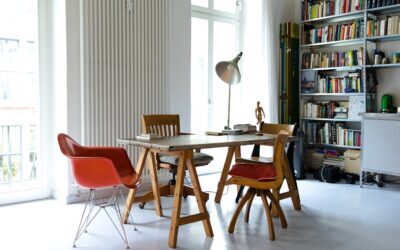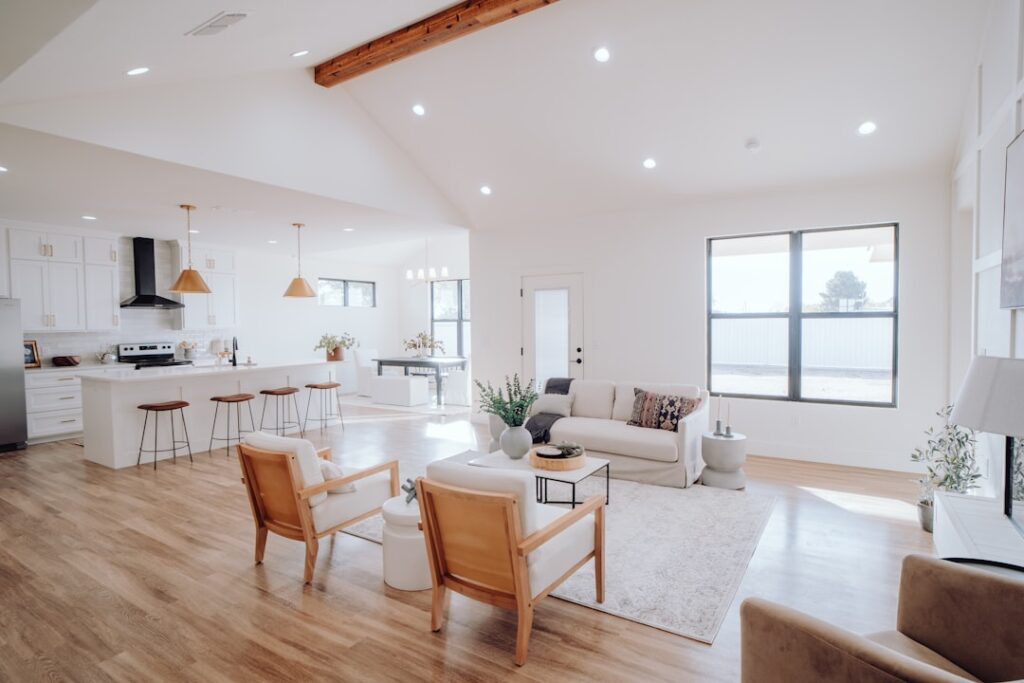
When homeowners search for Easton flooring, they usually mean one of two things: a local dealer or installer serving an Easton, Pennsylvania or Easton, Maryland market, or a flooring style that suits the older housing stock common in those towns. Either way, the goal is the same. You want durable floors that match the home, hold up to the climate, and don’t blow the budget. I’ve worked on plenty of homes built between 1900 and 1960, and the right approach depends heavily on what’s under your feet right now.
This guide covers the realistic material options, what they cost, the pros and cons of each, and how to vet a local crew so the install matches the quality of the product.
Why Local Conditions Matter
Easton-area homes lean toward older construction with subfloor surprises. Plaster, board subfloors, and original pine planks are common, and humidity swings between a humid summer and a dry, heated winter can hit 50% relative humidity in July and drop to 25% in January. That seasonal movement is exactly why solid hardwood needs careful acclimation and why some homeowners are better served by engineered products that tolerate swings without gapping.
Before you pick a material, the floor structure should be assessed. A sagging joist or a board subfloor with cupped planks changes everything about which product will lie flat and last.
Hardwood: The Classic Choice
For a home with character, nothing matches solid or engineered hardwood. Red oak in a 2.25-inch or 3.25-inch strip remains the regional default because it stains evenly and refinishes well. Expect $5 to $9 per sq ft installed for solid oak, and $6 to $11 for engineered. White oak, hickory, and maple run higher.
The big advantage is longevity. A solid hardwood floor can be sanded and refinished five or six times across a 75-year lifespan, which is why original 1920s floors still look good today. The downside is sensitivity to moisture, so hardwood belongs above grade, not in a basement.
Luxury Vinyl Plank for Tough Spots
Where moisture or heavy traffic is a concern, luxury vinyl plank earns its place. Modern rigid-core LVP and SPC products are fully waterproof, handle a basement or mudroom, and install as a floating click floor over most subfloors. Quality lines run $3 to $7 per sq ft installed.
The look has improved dramatically. A 20-mil wear layer with realistic embossing convincingly mimics oak or walnut, and unlike laminate, it shrugs off standing water. For a busy household with kids, dogs, and a back door that sees mud all winter, I often steer people here.
Tile for Kitchens and Baths
Porcelain tile remains the workhorse for kitchens, bathrooms, and entryways. A 12×24-inch porcelain plank or a classic 6×6 ceramic resists water, scratches, and the road salt that gets tracked indoors. Installed cost runs $8 to $15 per sq ft depending on the substrate prep and whether you add an uncoupling membrane.
Pair tile with an electric radiant heat mat under it in a bathroom, and a cold morning floor becomes a luxury for roughly $10 to $15 per sq ft in added materials. It’s one of the best comfort upgrades in an older home.
Realistic Cost Snapshot
- Laminate: $3 to $6 per sq ft installed
- Luxury vinyl plank: $3 to $7 per sq ft installed
- Engineered hardwood: $6 to $11 per sq ft installed
- Solid hardwood: $5 to $9 per sq ft installed
- Porcelain tile: $8 to $15 per sq ft installed
- Refinishing existing hardwood: $3 to $5 per sq ft
For a typical 300 sq ft living room, that puts a quality vinyl plank job around $1,200 to $2,100 and a hardwood job closer to $1,800 to $3,300.
How to Vet a Local Installer
The product is only half the equation. A great floor installed poorly will gap, peak, or squeak within a year. When you interview an Easton-area installer, ask for proof of liability insurance, a written estimate that breaks out material and labor separately, and at least two references from jobs completed in the last 18 months.
Ask specifically how they handle acclimation. A pro should deliver hardwood to your home and let it sit 3 to 5 days before installation, measuring the moisture content of both the wood and the subfloor with a meter. If an installer waves off acclimation, keep looking.
Handling Older Subfloors
The biggest variable in an Easton-area install is what’s hiding under the existing floor. Many homes built before 1950 have board subfloors, original pine, or layers of old linoleum and adhesive that may date back decades. Board subfloors flex between planks and need a layer of 1/2-inch plywood underlayment before tile or vinyl can be installed flat. Old cushioned vinyl from the 1960s and 70s can contain asbestos, so test before disturbing it rather than sanding or ripping it up blindly.
Leveling is the other common surprise. Settled joists and sagging spots are typical in century-old homes, and a self-leveling compound or sistered joists may be needed to get a flat plane. Budget for subfloor work; it’s the unglamorous part of an older-home floor that determines whether the finished product lies flat and lasts.
Best Picks by Room
A whole-home material rarely makes sense in an older Easton house. For living and dining rooms and bedrooms, refinishing existing hardwood or laying new oak preserves the home’s character and value. For kitchens and entries that see water and grit, porcelain tile or rigid-core vinyl plank handles the abuse. Basements call for waterproof vinyl over a moisture-tested slab, never solid wood. And bathrooms are tile territory, ideally over a proper uncoupling membrane. Mixing materials room by room, with clean transitions between them, gives you the right performance everywhere without compromise.
My Bottom Line
There’s no single best answer for Easton flooring, because the right pick depends on the room, the subfloor, and how you live. For main living areas in a home you plan to keep, hardwood pays back in durability and resale. For basements, kitchens, and high-traffic zones, lean toward waterproof vinyl plank or porcelain tile. Get the subfloor evaluated first, buy 8% to 10% overage, and hire a crew that takes acclimation seriously. Do that, and your floors will outlast the trends.
Prefer to explore on your own?
See how new flooring looks in your actual room in seconds — free, no signup.
Try the free Floor Studio →