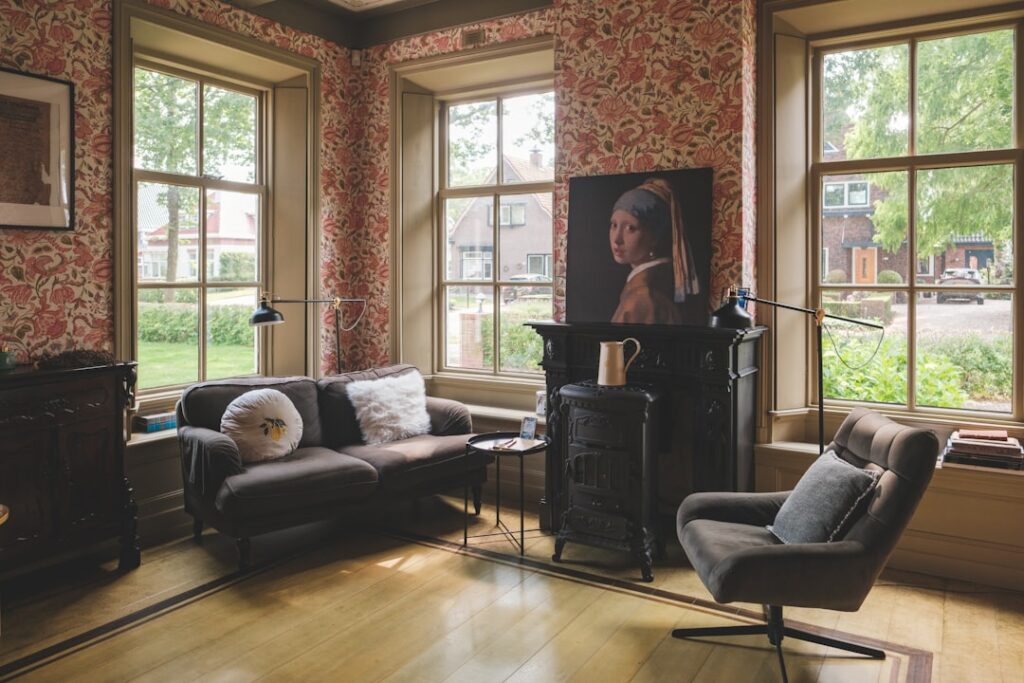
If you cannot decide between flat and satin, you are exactly the buyer paint companies invented eggshell for. Egg shell paint sits in the sweet spot between matte and semi-gloss, hiding minor wall flaws while still tolerating an occasional wipe-down. It is the most popular interior finish in American homes for good reason, but it is not the right call for every room.
What Eggshell Sheen Actually Means
Sheen describes how much light a paint reflects when dry. The scale runs from flat (0-5% reflectivity) up through matte, eggshell, satin, semi-gloss, and high gloss (70%+). Eggshell typically falls in the 10-25% range depending on the manufacturer.
The name comes from the subtle glow of an actual chicken eggshell: smooth and slightly luminous without being shiny. Under raking light from a window, an eggshell wall has a soft sheen that brings warmth without highlighting drywall imperfections the way satin will.
Where to Use Egg Shell Paint
Eggshell shines in moderate-traffic spaces where you want some washability but do not need scrub resistance:
- Living rooms and family rooms
- Bedrooms (especially adult bedrooms)
- Hallways and stairways
- Dining rooms
- Home offices
For kitchens, bathrooms, kids’ rooms, and laundry rooms, step up to satin. Those rooms see steam, splatters, and crayon marks that will eventually wear through eggshell’s protective layer.
Eggshell vs Satin vs Matte
The three middle sheens often confuse buyers. Here is the practical breakdown:
- Matte/flat: hides flaws best, lowest washability, ideal for ceilings and low-traffic walls
- Eggshell: moderate flaw hiding, decent washability, good for most living spaces
- Satin: shows imperfections more, holds up to scrubbing, best for kitchens and trim-adjacent walls
If your drywall has visible patches, sanding marks, or texture variation, eggshell forgives more than satin. If you have toddlers drawing on walls, satin makes cleanup possible without ghost spots.
Top Egg Shell Paint Brands
Quality varies more than the price tag suggests. Three brands consistently outperform in independent testing:
- Benjamin Moore Regal Select Eggshell: $65-75 per gallon, excellent coverage, true low-VOC
- Sherwin-Williams Emerald Interior Eggshell: $75-85, washable to scrub-grade, 25-year warranty
- Behr Premium Plus Eggshell: $35-45 at Home Depot, the best value option
Skip the contractor-grade five-gallon buckets unless you are repainting a rental. Cheap eggshell often requires three coats and still flashes (shows roller marks under angled light) when only one or two coats are applied.
How Much You Need
One gallon covers roughly 350-400 square feet with a single coat. Most projects need two coats for full color depth. For a standard 12×12 bedroom with 8-foot ceilings, plan on 1.5-2 gallons total. Use a paint calculator on the manufacturer’s website for exact quantities; they account for doors, windows, and primer needs.
Application Tips for a Smooth Finish
Eggshell is more forgiving than satin but unforgiving of bad rolling technique. Use a 3/8-inch nap microfiber roller for smooth drywall, or 1/2-inch for lightly textured walls. Cut in around trim with a 2.5-inch angled brush, working in sections small enough that the cut-in stays wet when you roll.
Always maintain a wet edge. Stopping in the middle of a wall and coming back 30 minutes later is the surest way to create lap marks that will haunt you for years. Roll in a W or M pattern, then back-roll vertically without reloading paint to even out coverage.
Cleaning and Maintenance
Eggshell tolerates gentle cleaning with a damp microfiber cloth and mild soap. Avoid abrasive sponges, which leave dull spots that show against the rest of the wall. For tougher marks, dab with a Mr. Clean Magic Eraser using almost no pressure; pressing too hard burnishes the surface.
Touch-ups require some care. Pour a small amount of the original paint into a cup and feather it on with a 1-inch brush, blending outward. Touch-ups that are obviously different from the surrounding wall are usually a sheen mismatch from using too much paint or rolling instead of brushing.
Primer and Prep for the Best Eggshell Result
Eggshell highlights surface imperfections more than flat does, so prep work earns its keep. Patch nail holes and dings with a lightweight spackle like DAP Fast ‘N Final, sand smooth with 220-grit, then wipe down with a microfiber tack cloth to lift dust. For walls previously painted in a glossy or oil-based finish, sand the entire surface lightly and prime with a bonding primer like Sherwin-Williams Extreme Bond ($55 a gallon) to prevent peeling.
New drywall absolutely requires PVA primer (around $20 a gallon) before any topcoat, including eggshell. Skipping primer on raw drywall causes blotchy absorption that no amount of additional eggshell coats will fix. For walls with stains from water leaks, smoke, or marker, use a stain-blocking primer like Zinsser BIN shellac ($25 a quart) on the affected spots only, then prime the rest with PVA. The two-primer approach saves money over priming the whole wall with the more expensive product.
Color Matching and Light Considerations
Eggshell paint reads slightly lighter than the same color in flat or satin because of the increased light reflection. If you are color-matching to existing trim or furniture, expect the chip on the swatch card to look 5-10% darker on the actual wall once dry. Always paint a 2-by-2-foot test patch and view it under morning, afternoon, and evening light before committing to gallons.
North-facing rooms benefit from warm whites in eggshell like Benjamin Moore Swiss Coffee OC-45 or Sherwin-Williams Alabaster SW 7008. South-facing rooms with strong direct sun handle cooler tones better; try Benjamin Moore Simply White OC-117 or Behr Polar Bear 75. Skip pure cool whites in north light, where they read blue-gray and feel clinical at any time of day.
Final Verdict
For 70-80% of interior walls in a typical home, egg shell paint is the right choice. It hides drywall flaws, takes a wipe-down without sheen change, and reflects just enough light to keep rooms feeling warm. Save satin for high-traffic and high-moisture areas, and stick with quality brands that go on smoothly without flashing.