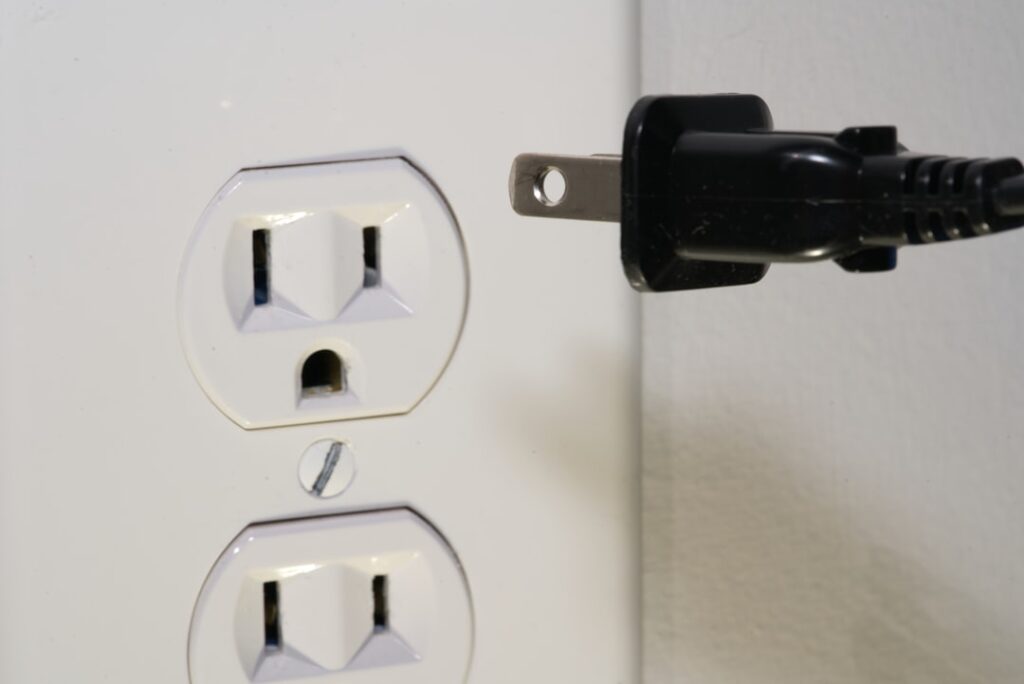
Behind nearly every switch, outlet, and light fixture in your home sits a small metal or plastic enclosure doing critical safety work. Electrical utility boxes contain wire connections, protect splices from damage, and confine any sparks or heat that could otherwise start a fire. Understanding the common types and how they are sized helps you recognize good work, spot hazards, and talk intelligently with an electrician. One rule applies throughout: wiring inside these boxes is governed by the National Electrical Code, and any new circuits or panel work should be done by a licensed electrician and inspected.
What Electrical Boxes Do
An electrical box is a protective housing for wire connections. By code, every splice, switch, outlet, and fixture connection must be enclosed in an approved box. The box prevents physical damage to the wires, keeps connections from being disturbed, and contains arc faults so a loose connection cannot ignite surrounding framing.
Boxes are either metal, usually steel, or plastic, typically PVC or fiberglass. Metal boxes must be grounded; plastic boxes do not conduct, so they skip that requirement but still need the ground wires bonded together inside.
Junction Boxes
A junction box is where wires are spliced together without a device like a switch or outlet. Think of it as a connection hub. Code requires that every junction box remain accessible, meaning you cannot bury it behind drywall or inside a finished wall. A common code violation in older homes is a splice hidden in a wall with no box at all, which is both illegal and a fire risk.
Junction boxes need a cover plate, and the wire connections inside must use approved connectors such as wire nuts or push-in connectors. If you ever find a taped-up splice tucked above a ceiling tile, that is a red flag worth having an electrician correct.
Outlet and Switch Boxes (Device Boxes)
Device boxes hold receptacles and switches. The most common is the single-gang box, sized to fit one device, while two-gang and three-gang boxes fit multiple devices side by side. They come in nail-on, screw-mount, and old-work styles, the last of which clamps to drywall for retrofits where there is no stud to fasten to.
- Single-gang: one switch or outlet, most common in homes
- Double-gang (two-gang): two devices, like paired switches
- Old-work box: mounts to existing drywall without a stud
- Ceiling fan-rated box: reinforced to carry the weight and motion of a fan
One important note: a standard ceiling box is not rated to support a fan. Fans require a box specifically labeled for fan support, braced between joists, or they can pull loose.
Panel Boxes and Service Equipment
The breaker panel, sometimes called the load center, is the largest electrical box in the home. It distributes incoming power to the branch circuits and houses the circuit breakers that protect each one. Subpanels extend capacity to additions, garages, or shops. Work inside a panel involves live service conductors and is genuinely dangerous, so this is firmly licensed-electrician territory, not a weekend project.
Outdoor meter boxes and disconnect enclosures are weatherproof versions rated for the elements, typically marked with a NEMA rating that indicates how well they resist water and dust.
Box Fill: Why Size Matters
Cramming too many wires into a box is a real hazard. Crowded conductors overheat, get nicked during installation, and make safe connections difficult. The code uses a calculation called box fill to set the maximum number of conductors a box can legally hold, based on the box’s volume in cubic inches and the gauge of the wire.
Each item counts toward the fill: every hot and neutral conductor, the ground wires as a group, the device itself, and any internal clamps. As a practical guideline, 14-gauge wire needs 2 cubic inches per conductor and 12-gauge needs 2.25 cubic inches. A standard single-gang box might hold around 18 cubic inches, which fills up faster than people expect once you add a device and grounds.
Choosing and Installing Boxes Safely
Match the box to the job. Use a deeper box when several cables enter, a fan-rated box under fans, a weatherproof box outdoors, and a fire-rated assembly where required. Mount device boxes so the front edge sits flush with the finished wall surface; recessed boxes leave a gap that violates code and looks sloppy.
Use the correct clamps or connectors where cables enter, and never leave open knockouts, those punch-out holes, uncovered. Missing knockout plugs leave gaps that defeat the box’s purpose of containing arcs and sparks.
Metal Versus Plastic Boxes
One of the first choices in any electrical box selection is material, and each has clear advantages. Plastic boxes are inexpensive, lightweight, and non-conductive, which means they do not need to be bonded to the ground system themselves. They dominate residential work with nonmetallic cable, the common plastic-sheathed wiring known as Romex.
Metal boxes are tougher and required where metal conduit or armored cable is used, since the conduit system relies on the metal box for grounding continuity. Metal is also the choice where physical durability matters, like exposed garage or workshop walls. Whichever you use, the rule is consistent: connections must be enclosed, grounds must be properly bonded, and the box must be the right size for the conductors inside.
Common Box Problems to Watch For
When inspecting your home or planning a project, a few box-related issues come up repeatedly. Overcrowded boxes packed with too many wires are both a code violation and a fire risk. Missing cover plates leave live connections exposed. Boxes recessed too far behind the wall surface, or buried entirely behind drywall, defeat the box’s protective purpose.
- Buried junction boxes: illegal and inaccessible; must be relocated to an accessible spot
- Overfilled boxes: exceed fill capacity; require a larger box or an added junction box
- Missing knockout plugs: open holes that let arcs escape; fill with approved plugs
- Unsupported fan on a standard box: a safety hazard; needs a fan-rated box
Spotting these is useful homeowner knowledge, but correcting wiring inside the box is work for a licensed electrician, especially anything tied to a live circuit or the panel.
The Bottom Line
Electrical utility boxes are small but essential safety devices that protect every connection in your home. Knowing the difference between junction, device, and panel boxes, and understanding why fill capacity and accessibility matter, helps you maintain your home and recognize unsafe work. You can confidently replace a cover plate or identify a buried splice, but circuit wiring, panel changes, and anything involving the service entrance belong to a licensed electrician working to code. When in doubt, the safe move is always to call a pro.