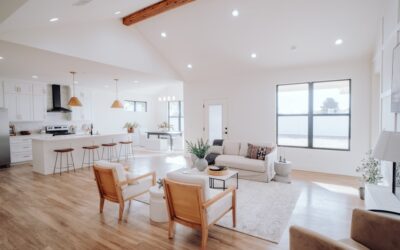
Walk into a hardwood showroom and you will see the same three or four domestic species — oak, hickory, maple, walnut — taking up most of the floor space. Tucked along one wall, you will find boards in colors and patterns that look almost painted. Exotic wood flooring covers tropical and imported species that bring colors, hardness, and grain patterns no domestic species can match. The category includes some of the hardest woods on Earth, but it also raises sustainability questions that domestic species simply do not.
- The Most-Specified Exotic Species
- Hardness Reality: The Janka Numbers
- Color Behavior Over Time
- Sustainability and Documentation
- Solid vs Engineered Exotic Wood
- Real Pricing Snapshot
- Installation Considerations
- Finishing Choices for Exotic Wood
- Where Exotic Wood Excels
- Maintenance Requirements
- Common Buyer Mistakes
- Final Recommendation
The Most-Specified Exotic Species
- Brazilian cherry (Jatoba): Deep red-brown, darkens over time. Janka 2,820.
- Teak (genuine Burmese): Golden brown, weathers silver. Janka 1,000.
- Tigerwood (Goncalo Alves): Orange and brown striping. Janka 2,160.
- Ipe (Brazilian walnut): Dense brown, near-black. Janka 3,510.
- Cumaru: Tan to red-brown, oily. Janka 3,330.
- Brazilian teak (Cumaru relative): Honey golden. Janka 3,200.
- Wenge: Near-black with light streaks. Janka 1,930.
- Sapele: African mahogany alternative. Janka 1,510.
Hardness Reality: The Janka Numbers
Most domestic species cluster between 1,000 and 1,800 on the Janka scale. Exotics regularly exceed 2,500. Ipe at 3,510 is over twice as hard as red oak. That extreme hardness means dent and scratch resistance is dramatically better — a dropped fork that would dent oak leaves no mark on ipe.
The downside of extreme hardness shows up at install. Cumaru and ipe dull standard cleat nails within 200 boards, requiring frequent replacement and pre-drilling at every nail location. Pre-finished engineered exotics avoid this problem by handling the milling at the factory.
Color Behavior Over Time
Exotic species change color more dramatically than domestic woods. Brazilian cherry darkens from medium red-brown to deep burgundy over 6-18 months of light exposure. Teak shifts from golden honey to silver-gray patina if untreated. Tigerwood deepens its contrast — the dark stripes get darker, the light stripes get warmer.
Plan for this change before installing. The sample you approve is not the color you will live with in two years. Buyers who want stable color should specify reactive-stained or fumed treatments at the mill, or choose engineered with UV-blocking topcoats that slow the color shift considerably.
Sustainability and Documentation
The single biggest issue with exotic wood flooring is sourcing. The Lacey Act amendments of 2008 made it a federal offense to import wood logged in violation of the source country’s laws. CITES (Convention on International Trade in Endangered Species) regulates several exotic species including some rosewoods and mahoganies.
FSC (Forest Stewardship Council) certification is the gold standard for verified responsible sourcing. Reputable importers like IndusParquet, Brazilian Direct, and Hallmark Floors carry FSC-certified product lines. Avoid suppliers who cannot produce chain-of-custody documentation — illegally logged exotic wood is common in the budget tier.
Solid vs Engineered Exotic Wood
Solid exotic in 3/4 inch thickness gives the most refinishing potential and most authentic appearance. The catch: extreme dimensional movement under humidity changes makes solid exotics risky in homes with poor humidity control. Brazilian cherry and ipe in particular cup and gap visibly between summer and winter in dry climates.
Engineered exotic with a 3-4 mm wear layer over a stable plywood base solves the movement problem. The wear layer can still be refinished once or twice, the look is identical to solid from above, and the floor handles humidity fluctuations far better. For homes without precise climate control, engineered is almost always the right specification.
Real Pricing Snapshot
- Brazilian cherry solid 3/4 prefinished: $6.99 to $9.49 per sq ft.
- Brazilian cherry engineered (4 mm wear): $7.99 to $11 per sq ft.
- Genuine Burmese teak solid: $14 to $24 per sq ft.
- Tigerwood solid 3/4 prefinished: $5.99 to $8.49 per sq ft.
- Ipe (rare as flooring, more common as decking): $11 to $18 per sq ft.
- Cumaru solid prefinished: $5.49 to $8.99 per sq ft.
- Wenge engineered: $9.99 to $14 per sq ft.
Installation Considerations
Exotic wood needs longer acclimation than domestic — 7 to 14 days in the install room, with humidity matching the home’s typical service condition. Solid 3/4 inch exotics get nailed with 18-gauge cleats, pre-drilled in dense species like ipe and cumaru. Engineered exotics float, glue, or staple depending on the manufacturer’s specification.
Carbide-tipped saw blades are mandatory for cutting most exotics. Standard steel blades dull within a single room. Diamond-grit blades work best on the hardest species like ipe.
Finishing Choices for Exotic Wood
Most exotic wood ships pre-finished from the mill with aluminum oxide topcoats that protect both color and surface. For unfinished exotics, the natural oil content of the wood causes problems — Brazilian cherry, teak, and ipe all contain natural oils that resist many finish products.
Use oil-modified urethanes formulated for tropical species. Bona DriFast Tropical and Glitsa Gold Seal both handle the oil content. For penetrating finishes, Rubio Monocoat works well after surface degreasing with denatured alcohol. Skip waterborne finishes on most oily exotics — adhesion failures are common.
Where Exotic Wood Excels
Living rooms, dining rooms, and entries where dramatic color and pattern justify the premium. Homes targeting resale in higher-end markets where buyers expect distinctive materials. Restorations of mid-century homes that originally specified exotics like teak or rosewood. Commercial spaces in upscale retail and hospitality where the floor itself becomes a design feature.
Skip exotic wood flooring in homes with severe humidity swings (above 25% RH variation between seasons), in below-grade installations without proper moisture mitigation, and in budget renovations where the cost premium delivers no resale return. Domestic engineered hardwood is often the smarter buy in those scenarios.
Maintenance Requirements
Sweep or vacuum 2-3 times per week. Damp-mop monthly with manufacturer-approved cleaner like Bona Hardwood Floor Cleaner. Avoid steam mops and excess water — even hard exotics swell at the edges with prolonged moisture exposure.
Refinishing engineered exotic happens once or twice over the floor’s life, around year 12-15 and again at year 20-25 if the wear layer permits. Solid exotic can take 4-6 refinishes over 50+ years. The thick aluminum oxide factory finishes resist scratches well and rarely need refinishing in the first 15 years of normal residential use.
Common Buyer Mistakes
The first mistake is buying without verifying species identity. “Brazilian teak” can mean genuine Burmese teak or it can mean cumaru sold under a marketing name. Get the botanical name on the spec sheet and verify with photos of the actual species.
The second mistake is ignoring sustainability documentation. Cheap exotic wood at suspiciously low prices almost always carries questionable sourcing. Pay the premium for FSC-certified product or accept the ethical and legal risk.
Final Recommendation
Exotic wood flooring earns its place when you want a floor with distinctive character, exceptional hardness, and design impact that domestic species cannot match. Specify engineered for stability, FSC certification for responsible sourcing, and prefinished topcoats for ease of maintenance. The premium over domestic species is real but proportional to the visual difference. Done right, an exotic floor is a 50-year investment that gets more beautiful with age.
Prefer to explore on your own?
See how new flooring looks in your actual room in seconds — free, no signup.
Try the free Floor Studio →