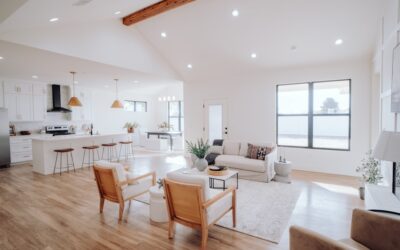
After three decades of installing floors in every type of home imaginable, I can tell you that today’s fake hardwood floor options have reached a point where even seasoned professionals have to get on their hands and knees to tell the difference. Whether you want the warmth and beauty of real wood without the price tag, the maintenance headaches, or the moisture sensitivity, there is a wood-look alternative that fits your lifestyle and budget perfectly.
In this guide, I will walk you through every major fake hardwood floor option on the market in 2026, compare them side by side, and help you pick the right one for each room in your home.
What Is a Fake Hardwood Floor?
A fake hardwood floor is any flooring material engineered to replicate the look of natural hardwood without actually being solid or engineered wood. The three dominant categories in 2026 are luxury vinyl plank, laminate, and wood-look porcelain tile. Each uses different technology to achieve that wood grain appearance, and each comes with its own set of trade-offs in terms of cost, feel underfoot, moisture resistance, and visual realism.
The appeal is straightforward. Real hardwood costs $6 to $15 per square foot for materials alone, scratches easily with pets and kids, and warps in humid or wet environments. A well-chosen fake hardwood floor can deliver 90 to 99 percent of the visual impact at 30 to 60 percent of the cost while handling moisture and wear far better.
Luxury Vinyl Plank (LVP)
Luxury vinyl plank has become the single most popular flooring category in residential construction, and for good reason. Modern LVP uses high-resolution photographic imaging topped with textured embossed-in-register (EIR) wear layers that mimic the feel of real wood grain under your fingers and feet.
Key features of LVP:
- 100 percent waterproof core (SPC or WPC)
- Thickness ranges from 4mm to 8mm, with 6mm being the sweet spot
- Wear layers from 6mil (light residential) to 28mil (heavy commercial)
- Click-lock installation requires no glue or nails
- Comfortable and warm underfoot, especially WPC variants
- Can be installed over most existing floors
For homeowners with pets, young children, or homes prone to moisture, LVP is my default recommendation. A quality LVP plank with a 20mil wear layer and SPC rigid core will handle virtually anything a busy household throws at it while looking remarkably close to real white oak or hickory.
Laminate Flooring
Laminate flooring has come a long way since the shiny, plasticky planks of the early 2000s. Today’s premium laminate uses high-definition digital printing on HDF (high-density fiberboard) cores with matte, wire-brushed, and hand-scraped textures that closely replicate natural wood.
Key features of laminate:
- AC3 to AC5 abrasion ratings for varying traffic levels
- Thickness from 7mm to 14mm with attached or separate underlayment
- Extremely scratch-resistant surface layer
- Budget-friendly starting at $1 per square foot for entry-level options
- Not waterproof at the seams unless specifically labeled water-resistant
- Hollow sound underfoot without quality underlayment
Laminate excels in bedrooms, living rooms, and offices where moisture is not a primary concern. The newer water-resistant laminates with sealed edges can handle occasional spills if wiped promptly, but I would not install standard laminate in bathrooms, laundry rooms, or basements.
Wood-Look Tile
Wood-look porcelain tile is the premium fake hardwood floor option, and in many ways, it delivers the most convincing result. Italian and Spanish manufacturers have perfected inkjet printing technology that reproduces wood grain patterns with extraordinary depth and variation.
Key features of wood-look tile:
- Completely waterproof and impervious to humidity
- Extremely durable, rated for commercial and outdoor use
- Available in planks up to 48 inches long for realistic proportions
- Cold and hard underfoot without radiant heating
- Higher installation cost due to thinset, grout, and skilled labor
- Grout lines can break the illusion of real wood if not minimized
For bathrooms, kitchens, entryways, and sunrooms, wood-look tile is unbeatable. Pair it with radiant floor heating and use a color-matched grout with rectified edges set at 1/16-inch spacing, and you will have a floor that fools nearly everyone who walks through your door.
Side-by-Side Comparison Table
| Feature | LVP | Laminate | Wood-Look Tile |
|---|---|---|---|
| Material Cost (per sq ft) | $2.50 – $7.00 | $1.00 – $5.00 | $3.00 – $10.00 |
| Installation Cost (per sq ft) | $1.50 – $3.00 | $1.50 – $3.00 | $4.00 – $8.00 |
| Waterproof | Yes | No (water-resistant options) | Yes |
| Scratch Resistance | Good to Excellent | Excellent | Excellent |
| Comfort Underfoot | Good (WPC best) | Fair to Good | Cold and Hard |
| Realism Score | 8/10 | 7/10 | 9/10 |
| Lifespan | 15 – 25 years | 10 – 20 years | 30 – 50 years |
| DIY Friendly | Very | Very | Difficult |
Best Fake Hardwood Floor by Room
Choosing the right fake hardwood floor depends heavily on where you plan to install it. Here is my room-by-room recommendation based on decades of professional experience:
Living room and bedrooms: LVP or laminate. Both deliver warmth, comfort, and easy installation. Laminate offers the best scratch resistance for pet owners on a budget. LVP adds waterproof peace of mind if you have young children prone to spills.
Kitchen: LVP is the top choice. It handles water splashes around the sink and dishwasher without issue. Wood-look tile is also excellent if you prefer a permanent, ultra-durable surface.
Bathroom: Wood-look porcelain tile is the clear winner. LVP works in powder rooms and half baths, but for full bathrooms with showers, tile is the safer long-term option.
Basement: LVP with an SPC rigid core. The fully waterproof construction and floating installation make it ideal for below-grade environments where moisture vapor can be an issue.
Entryway and mudroom: Wood-look tile or high-traffic LVP with a 20mil or thicker wear layer. These high-traffic zones need something that can handle grit, water, and heavy foot traffic.
Cost Breakdown
For a typical 1,000-square-foot installation in 2026, here is what you can expect to pay including materials, underlayment, and professional installation:
- LVP (mid-range): $5,500 to $9,000 total
- Laminate (mid-range): $4,000 to $7,000 total
- Wood-look tile: $8,000 to $16,000 total
- Real hardwood (for comparison): $10,000 to $20,000 total
The savings with a fake hardwood floor over real wood range from 25 to 60 percent depending on which alternative you choose. Factor in lower maintenance costs over time and the gap widens further.
Durability and Lifespan
Durability is where fake hardwood floor options often outperform real wood. Solid hardwood can be sanded and refinished multiple times, which gives it a theoretical lifespan of 50 to 100 years, but it dents, scratches, and stains along the way.
LVP with a thick wear layer resists scratches from pet claws, withstands dropped objects, and shrugs off water exposure. Expect 15 to 25 years of solid performance from a quality product. Laminate with an AC4 or AC5 rating holds up exceptionally well to abrasion and UV fading but remains vulnerable to moisture damage at the seams. Wood-look tile is virtually indestructible under normal residential conditions and can last the lifetime of your home.
One important note: none of these alternatives can be refinished. When the surface wears through or the style feels dated, the entire floor needs to be replaced. This is the one area where real hardwood maintains a clear advantage.
Which Looks Most Realistic?
This is the question I hear most often, and the answer has changed dramatically over the past decade. In 2026, the realism hierarchy looks like this:
1. Wood-look porcelain tile (most realistic). The inkjet printing technology used by top Italian manufacturers like Del Conca and Fondovalle produces stunningly realistic wood grain. The matte, textured surfaces have natural-feeling relief, and the variation between planks is excellent. With rectified edges and minimal grout lines, tile achieves the closest visual match to real hardwood.
2. Premium LVP (very realistic). Brands with embossed-in-register (EIR) technology align the texture with the printed grain pattern, so what you see matches what you feel. The best LVP products use 20 or more unique plank designs to avoid obvious pattern repetition. The slight flexibility of vinyl underfoot feels different from wood to experienced walkers, but visually it is extremely convincing.
3. Premium laminate (realistic). Modern laminate has closed the gap significantly, especially products with deep-pressed textures. However, the sound underfoot, a slightly hollow tap compared to the solid feel of wood, can give it away. High-quality underlayment helps but does not fully eliminate the difference.
My advice: visit a showroom and compare full-size samples under natural lighting. Online photos rarely capture the textural differences that matter most in person.
Frequently Asked Questions
Can you tell the difference between fake hardwood floor and real wood?
From a normal standing height and viewing distance, most people cannot distinguish premium fake hardwood from real wood. The differences become apparent when you touch the surface, listen to the sound underfoot, or examine the edges closely. Premium wood-look tile and high-end LVP with embossed-in-register textures are the hardest to identify as faux wood.
What is the most affordable fake hardwood floor option?
Laminate flooring offers the lowest cost of entry, starting at around $1 per square foot for materials. When you factor in the easy DIY click-lock installation, a 300-square-foot room can be completed for under $500 in materials. Budget LVP starts slightly higher at $2 to $3 per square foot but adds waterproof performance.
Is fake hardwood floor good for resale value?
Quality LVP and wood-look tile are well-received by home buyers in 2026. Premium LVP in particular is expected and even preferred in many markets because buyers recognize its durability and low maintenance. However, real hardwood still commands a slight premium in luxury and historic homes where authenticity matters.
Can I install fake hardwood flooring myself?
LVP and laminate are among the most DIY-friendly flooring options available. Both use click-lock systems that require no special tools beyond a utility knife, tapping block, and pull bar. Wood-look tile, on the other hand, requires thinset mixing, tile cutting, leveling, and grouting skills that most homeowners find challenging on their first attempt.
How do I maintain a fake hardwood floor?
All three options are low maintenance. Sweep or vacuum regularly to remove grit, damp mop with a manufacturer-approved cleaner, and avoid excessive standing water on laminate. LVP and tile can be wet mopped without concern. Never use wax, polish, or steam mops on laminate or LVP, as these can damage the surface or void warranties.
Prefer to explore on your own?
See how new flooring looks in your actual room in seconds — free, no signup.
Try the free Floor Studio →