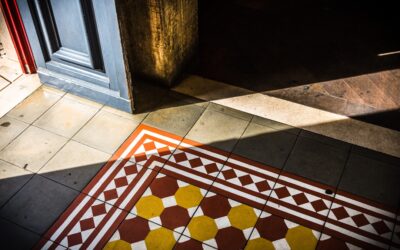
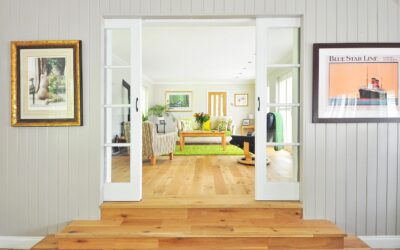
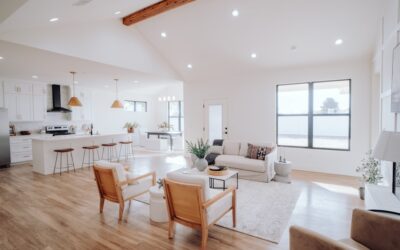
Walk into a model home built since 2022 and odds are good the slate entryway is not slate at all. Faux stone flooring has quietly taken over budget-to-mid-range remodels because it nails the visual of travertine, slate, or limestone for a quarter of the cost, half the install headache, and none of the sealing rituals. The trick is knowing which sub-type to buy, because the category covers everything from $1.79/sq ft luxury vinyl tile to $7/sq ft groutable porcelain look-alikes.
- What Counts as Faux Stone Flooring
- Pricing Tiers and What You Get
- Pros That Drive the Category
- Cons You Should Know Before You Buy
- Install Methods Compared
- Brand Spotlight: Mannington Adura Max Apex
- Best Use Cases by Room
- Comparing Faux Stone to Real Alternatives
- Maintenance Schedule and Long-Term Care
- The Bottom Line
What Counts as Faux Stone Flooring
The label is broad on purpose. It refers to any non-quarried product printed, embossed, or molded to mimic natural stone. The four common formats are luxury vinyl tile (LVT) with stone visuals, stone-plastic composite (SPC) tile, porcelain tile rated for stone replication, and laminate stone tiles with high-density fiberboard cores. Each behaves differently underfoot and at the wallet.
Mannington Adura, Karndean Knight Tile, COREtec Stone, and Armstrong Alterna all sit in this category. Armstrong Alterna in particular bridges the gap with a fiberglass-reinforced vinyl that accepts real grout, which is why showrooms keep recommending it for kitchens.
Pricing Tiers and What You Get
Budget LVT stone runs $1.49 to $2.79 per square foot at big-box stores. Wear layer typically tops out at 12 mil, which is fine for a guest bath but underwhelming in a high-traffic kitchen. Step up to $3 to $4.50/sq ft and you get 20-22 mil wear layers, deeper embossing, and grout-compatible edges.
Premium groutable LVT and SPC stone lands at $5 to $7.50/sq ft. Karndean Da Vinci limestone, for example, ships with a 30 mil commercial wear layer and a 25-year residential warranty. Porcelain stone-look tile sits at $3.50 to $9/sq ft but adds another $4-$7/sq ft in install labor because you need thinset, backer board, and a tile saw.
Pros That Drive the Category
Cost is the obvious one, but the practical wins matter more day to day. Faux stone is waterproof when it is vinyl-based, which real travertine never is. It stays warmer underfoot because there is no thermal mass sucking heat out of your soles in February. Most click-lock SPC variants install over existing tile or vinyl with no demo, which is huge for slab-on-grade homes where you cannot raise the floor more than a quarter inch.
Maintenance is the other quiet advantage. Natural slate needs penetrating sealer every 18 to 36 months. Vinyl-based faux stone needs a damp mop and a yearly pH-neutral cleaner like Bona Stone, Tile & Laminate. Zero sealing, zero re-honing.
Cons You Should Know Before You Buy
The visual repeat is the first giveaway. A 12-panel print run means roughly one in 12 tiles will match another in your room, and the eye picks that up faster on stone than on wood. Look for products with 16 or more unique visuals per box, like COREtec Stone Plus Enhanced or Mannington Adura Apex.
Heat sensitivity is the second issue. Direct sun through a south-facing slider can push vinyl surface temps above 140°F, which voids most warranties and can permanently telegraph the subfloor seams. South-facing rooms are where porcelain stone-look earns its premium.
Resale value lags real stone in homes above $750K. Below that price point, appraisers do not penalize faux stone, but high-end buyers notice immediately.
Install Methods Compared
Three install paths cover 95% of jobs:
- Click-lock floating: SPC and rigid-core LVT. Goes over almost anything flat within 3/16 inch over 10 feet. DIY-friendly, two-day project for a 12×14 room.
- Glue-down: Gauged LVT and Armstrong Alterna. Needs a smooth, level subfloor and a notched trowel with stone-rated pressure-sensitive adhesive like Henry 663. Best for commercial-grade durability.
- Thinset over backer board: Porcelain stone-look only. Requires uncoupling membrane like Schluter Ditra over wood subfloors, plus ASTM F1869 moisture testing if going over slab.
For glue-down stone-look in kitchens, confirm calcium chloride moisture levels stay under 5 lbs/1000 sq ft/24 hr or run an ASTM F2170 relative humidity probe at 75% or lower.
Brand Spotlight: Mannington Adura Max Apex
Adura Max Apex is the product most installers recommend when a client wants stone visuals without porcelain prices. It uses a 22 mil wear layer, an attached IXPE acoustic pad, and an embossed-in-register stone texture that reads as genuine under raked light. The 16-inch by 32-inch plank format matches typical slate cuts, and 24 unique visuals per SKU eliminate the obvious repeat pattern. Pricing runs $4.29 to $4.89/sq ft at flooring specialty stores, with a lifetime residential and 10-year light commercial warranty. It carries FloorScore certification for low VOC emissions, which matters in tightly sealed newer homes.
Best Use Cases by Room
Kitchens favor groutable LVT or porcelain stone-look because of spill frequency and chair scrape. Mudrooms and entryways pair well with SPC stone tile rated AC4 or better for abrasion. Basements with slab moisture history need vinyl-based faux stone exclusively, since laminate stone tiles will swell at the seams within two seasons. Full bathrooms work with any waterproof core, but bumping the underlayment to a 1.5mm cork pad cuts the cold feel without losing the click-lock benefits.
Comparing Faux Stone to Real Alternatives
Versus real travertine: faux stone wins on cost (roughly one-third the price), waterproofing, and installation ease. Real travertine wins on resale value in luxury homes and on the natural variation in each tile that no print can fully replicate. Travertine also tolerates direct sun without warping, which is the single biggest practical advantage for sun-exposed rooms.
Versus porcelain stone-look: porcelain delivers better heat tolerance, scratch resistance, and prestige, but at 2-3x the installed cost. The decision usually comes down to room exposure – vinyl-based faux stone wins in low-to-moderate-sun rooms; porcelain wins anywhere with intense direct sunlight.
Versus laminate stone tiles: laminate is cheaper than premium LVT but cannot handle moisture, which eliminates it from kitchens, bathrooms, and basements. Stick with vinyl-based faux stone for any room with realistic spill exposure.
Maintenance Schedule and Long-Term Care
Daily care is minimal:
- Sweep or dust mop high-traffic areas to prevent grit from abrading the wear layer
- Damp mop weekly with a pH-neutral cleaner like Bona Stone, Tile & Laminate
- Avoid steam mops on vinyl-based products – the heat softens the adhesive and can lift seams
- Use felt pads under furniture legs to prevent point-load damage
- Re-check perimeter expansion gaps annually in homes with significant seasonal humidity swings
For premium products like Mannington Adura Apex and Karndean Da Vinci, the manufacturer publishes a complete care schedule that should be followed to maintain warranty coverage. Skipping the recommended cleaner can technically void the wear warranty, although enforcement is rare.
The Bottom Line
If you want the look of slate or travertine without the maintenance tax, faux stone flooring earns its place. Buy at the $3.50 to $5/sq ft tier, prioritize 20+ mil wear layers, count unique visuals before you commit, and match the install method to your subfloor reality. Done right, the difference between this and quarried stone is invisible to everyone except the contractor who installed it.
Prefer to explore on your own?
See how new flooring looks in your actual room in seconds — free, no signup.
Try the free Floor Studio →