When people think about fire safety, they picture smoke detectors and extinguishers, but the surfaces underfoot matter more than most homeowners realize. Choosing fire resistant flooring materials can slow the spread of flames, buy critical escape time, and reduce toxic smoke in a fire. Not every floor is equal here: some are naturally noncombustible, while others melt or feed a blaze. This guide ranks the safest options, explains the ratings that measure them, and helps you pick the right surface for high-risk areas like kitchens, hearths, and homes in wildfire zones.
- Understanding Fire Ratings for Flooring
- Porcelain and Ceramic Tile
- Natural Stone
- Concrete Flooring
- Other Options and How They Compare
- Choosing the Right Fire Resistant Floor for Each Room
- Flooring to Avoid in Fire-Prone Areas
- Balancing Fire Safety With Cost and Comfort
- Final Thoughts on Fire Safe Flooring
Understanding Fire Ratings for Flooring
Before comparing materials, it helps to know how fire resistance is measured. Flooring is graded by two key tests. The Critical Radiant Flux test (ASTM E648) produces a Class 1 or Class 2 rating, with Class 1 being the most fire resistant and often required in commercial corridors and exits.
Materials are also described as noncombustible, meaning they will not ignite or support combustion, versus combustible materials that burn. Smoke development is rated separately, because the smoke and toxic gases from burning synthetics kill more people in house fires than flames do. When you shop, look for the flame-spread and smoke-developed indexes on the product’s technical sheet, and favor Class 1 and noncombustible options in kitchens, near fireplaces, and along escape routes.
Porcelain and Ceramic Tile
Fired clay tile is among the most fire resistant flooring you can install. Porcelain and ceramic are made in kilns at temperatures exceeding 2,000°F, so they are inherently noncombustible; they will not ignite, will not release toxic smoke, and can withstand direct contact with flames and hot embers without feeding a fire.
This makes tile the go-to choice for hearth areas in front of wood stoves and fireplaces, where a dropped ember could ignite carpet or wood. Tile also handles the high heat of kitchens well and shrugs off spilled grease that might otherwise become fuel. Priced at $2 to $15 per square foot for material, it combines fire safety with water resistance and durability, which is why it appears in nearly every fire-conscious flooring recommendation.
Natural Stone
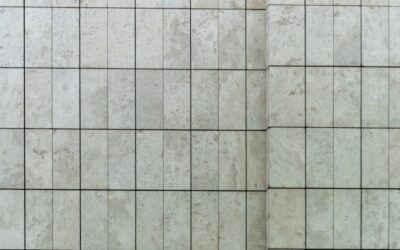
Stone floors, quarried from the earth, are noncombustible by nature and rival tile for fire resistance. Granite, slate, marble, travertine, and limestone all withstand extreme heat without burning or emitting smoke, and dense stone like granite handles thermal shock better than most.
Slate in particular is prized for hearths and wood-stove surrounds because of its heat tolerance and rugged surface. Natural stone runs higher, often $5 to $20 per square foot plus installation, and requires a strong subfloor to bear its weight, but for a home in a wildfire-prone region or a room built around a fireplace, its combination of noncombustibility and longevity is hard to beat. Seal porous stones like limestone and travertine to keep them easy to maintain.
Concrete Flooring
Poured concrete is completely noncombustible and one of the most fire resistant flooring materials available, which is exactly why it forms the structural core of fire-rated buildings. A polished or stained concrete floor will not burn, will not add fuel to a fire, and does not produce toxic smoke, giving occupants more time to escape.
Beyond safety, concrete is extremely durable, resists water, and works beautifully in modern basements, garages, and open-plan living areas. Polished concrete costs roughly $3 to $12 per square foot depending on the finish. Because the slab is often already there, converting existing concrete to a finished floor can be one of the most cost-effective ways to gain both fire resistance and a contemporary look.
Other Options and How They Compare
Not every safe choice is stone or concrete. Terrazzo, made of chips of marble and glass set in a cement or epoxy matrix, is highly fire resistant in its cement form and adds a distinctive speckled look. Ceramic and porcelain remain the best all-around balance of cost and safety for most homes.
Some materials sit in the middle. Certain wool carpets are naturally more flame resistant than synthetics and can carry Class 1 ratings, though any carpet is combustible to a degree. On the risky end, most vinyl, laminate, and hardwood are combustible: vinyl and laminate can melt and release smoke, while solid wood burns. If you love the look of wood, engineered products with fire-retardant treatments exist, but they never match tile, stone, or concrete for true fire resistance.
Choosing the Right Fire Resistant Floor for Each Room
Match the material to the risk. For hearth areas and rooms with wood stoves, tile or slate directly under and around the appliance is essential, and most stove manufacturers specify a noncombustible floor extending 16 to 18 inches in front of the door. In kitchens, where cooking fires start, porcelain tile or concrete resists both flame and grease.
Homes in wildfire zones benefit from noncombustible flooring throughout, especially in entries and sunrooms where embers can enter. Along hallways and stairs that serve as escape routes, Class 1 rated materials slow flame spread when it matters most. Balance fire safety with your budget, comfort underfoot, and style, but in the highest-risk spots, always lean toward tile, stone, or concrete.
Flooring to Avoid in Fire-Prone Areas
Knowing what not to install is as important as knowing the safe options. Most vinyl and laminate flooring is combustible and, worse, can melt and release toxic smoke when exposed to heat, since both contain plastics and resins. Solid hardwood and bamboo burn readily and add fuel to a fire, which is why neither belongs directly in front of a wood stove or fireplace.
Synthetic carpet made of nylon, polyester, or olefin ignites and spreads flame quickly while producing dense, toxic smoke, making it the poorest choice along escape routes. Cork and other organic materials are likewise combustible. None of these should be ruled out of a home entirely, since many rooms carry low fire risk, but they are the wrong pick for kitchens, hearth areas, and homes in wildfire zones where noncombustible surfaces genuinely matter.
If you love the warmth of wood or the softness of carpet, reserve them for low-risk bedrooms and living areas away from ignition sources, and put tile, stone, or concrete where the danger concentrates. That zoned approach lets you enjoy the materials you want without compromising safety where it counts.
Balancing Fire Safety With Cost and Comfort
The safest floors, tile, stone, and concrete, are also hard and cold underfoot, so a whole-home installation involves trade-offs. Radiant heat beneath tile or concrete solves the comfort issue and is worth considering in colder climates. Area rugs add softness, though a rug is itself combustible, so keep them clear of hearths and heat sources.
Budget also shapes the decision. Porcelain tile delivers the best balance of true fire resistance and reasonable cost for most homeowners, while natural stone and polished concrete cost more but add durability and resale value. Prioritize noncombustible flooring in the kitchen and around any fireplace or stove first, then extend it further as your budget allows. A targeted approach protects the highest-risk areas without requiring you to tile every room in the house.
Final Thoughts on Fire Safe Flooring
No floor makes a home fireproof, but the right surface can slow a fire and protect your family. Porcelain tile, natural stone, and concrete lead the field as noncombustible, low-smoke choices, while vinyl, laminate, and wood carry more risk. Check flame-spread ratings before you buy, prioritize the kitchen and hearth, and pair fire resistant flooring with working smoke alarms and a clear escape plan for real peace of mind.
Prefer to explore on your own?
See how new flooring looks in your actual room in seconds — free, no signup.
Try the free Floor Studio →