Floor cleaning equipment rental lets you tackle a deep clean with commercial-grade machines for a fraction of the purchase price, then hand the gear back when the job is done. For a once-or-twice-a-year carpet refresh, a move-out clean, or restoring dull tile and hardwood, renting is almost always smarter than buying a machine that will sit in the garage for eleven months of the year. The trick is knowing what to rent, what it costs, and when a rental actually makes sense.
This guide breaks down the machines available for rent, realistic price ranges, deposit and rate structures, and the honest calculus of renting versus buying versus hiring a professional. It also covers solution costs and usage tips so your rental delivers professional results instead of a soggy carpet or a streaky floor.
What You Can Rent
The most commonly rented machine is the carpet extractor, sometimes called a hot-water carpet cleaner or steam cleaner, which sprays a cleaning solution into the carpet and vacuums it back out along with embedded dirt. Beyond carpet, you can rent floor buffers and polishers for stripping, waxing, and buffing hard floors, plus rotary tile and grout cleaners that scrub deep into textured surfaces and grout lines that a mop cannot reach.
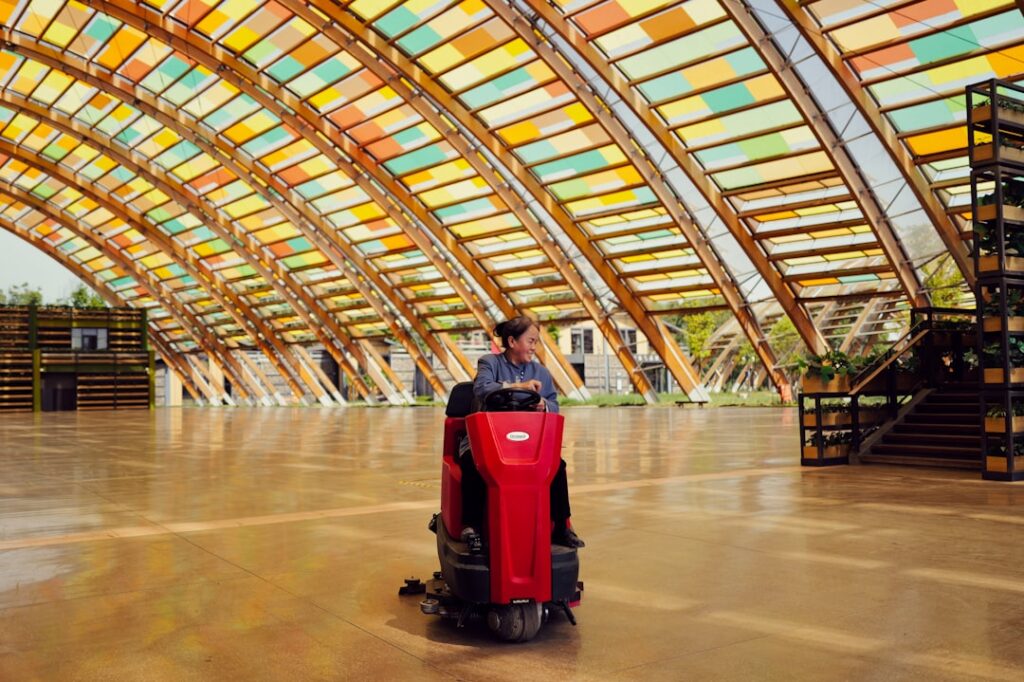
For larger areas, walk-behind auto-scrubbers wash and squeegee-dry hard floors in a single pass and are ideal for garages, basements, and commercial spaces. Pressure washers handle exterior concrete, driveways, and patios. Between these categories you can rent nearly any machine a professional would use, which is what makes rental so appealing for a serious one-time deep clean.
Matching the Machine to Your Floor
Not every machine suits every surface, and choosing wrong can damage flooring or simply waste your rental fee. Carpet extractors are for carpet and upholstery only. Rotary buffers and auto-scrubbers are made for hard, durable floors like tile, sealed concrete, vinyl, and stone, but you must fit them with the correct pad or brush and the right cleaning chemical for the surface, since an aggressive stripping pad will scar a delicate finish. For hardwood, tread carefully and use a machine and pad rated specifically for wood, because excess water and abrasion are the enemies of a wood floor.
Tile and grout machines shine on textured ceramic and porcelain where a mop cannot reach into the grout channels, while pressure washers belong outdoors on concrete, brick, and pavers, never on interior flooring. When you reserve a machine, tell the rental counter exactly what surface you are cleaning and how large the area is so they can pair you with the right unit and attachments. A five-minute conversation at the counter prevents the most common and most expensive rental mistakes.
Where to Rent
Home improvement warehouses are the most familiar source, with dedicated tool-rental counters that stock carpet extractors, buffers, and pressure washers by the day. Many grocery and hardware stores also offer self-service carpet cleaner rentals from a branded kiosk near the entrance, which is convenient for a quick weekend job. Dedicated tool and equipment rental yards carry the widest selection, including heavy auto-scrubbers and specialized tile machines that general retailers do not stock.
Prices and availability vary by location and season, so it pays to call ahead and reserve, especially around spring cleaning and end-of-month move-out rushes when carpet machines get booked solid. Rental yards typically require a valid ID and a credit card, and some ask you to demonstrate you understand the machine before it leaves the counter.
What It Costs
Carpet extractors from grocery-store kiosks typically run about $30 to $50 per day, with premium or upright models a bit higher. Floor buffers and polishers rent for roughly $30 to $70 per day depending on size and features. Rotary tile and grout machines fall in a similar range, while walk-behind auto-scrubbers cost more, often $70 to $150 per day given their size and value. Pressure washers generally rent for $40 to $90 per day.
Many rental counters also offer a 4-hour rate that runs about 60 to 75 percent of the daily rate, which is worth choosing if you can realistically finish a small job in an afternoon. Weekly rates offer the deepest per-day discount for big projects. Always confirm whether the quoted price includes attachments and hoses, since some machines charge separately for wands and brushes.
Deposits, Rates, and Fine Print
Most rentals require a refundable deposit, commonly $50 to $150, held on a credit card and released when you return the machine clean and undamaged. Read the return policy closely: some counters bill by the calendar day and others by 24-hour blocks, and returning even an hour late can trigger a full extra day’s charge. Ask exactly when the clock starts and stops so a Saturday-morning pickup does not quietly become a two-day rental.
Cleaning fees are another common surprise. Carpet extractors must be emptied and rinsed before return, and buffers should be free of wax buildup, or you may forfeit part of the deposit. Factor these details into your plan, and photograph the machine at pickup and return so any damage dispute has a clear record on your side.
Solution and Supply Costs
The machine is only part of the expense. Carpet extractors need cleaning solution, which typically adds $15 to $30 per bottle, and a whole-house carpet job may use one to two bottles. Buffers may require stripping or finishing pads and floor wax, and tile machines use a dedicated grout cleaner. Budget for these consumables up front, because running an extractor with too little solution or a buffer with the wrong pad wastes both the rental and your afternoon.
Buying the manufacturer’s recommended solution is usually worth it, since off-brand or overly sudsy products can leave residue that makes carpet re-soil faster. Measure and dilute exactly as directed. Over-concentrating the solution does not clean better; it just leaves sticky residue that attracts dirt and can void the residue-free result you rented the machine to achieve.
Tips for Getting Professional Results
A rented machine only delivers professional results if you use it correctly, and the biggest mistake DIYers make is rushing. With a carpet extractor, vacuum thoroughly first to remove loose dirt, pre-treat heavy stains and let them sit, then make slow, overlapping passes. Do a wet pass to inject solution and one or two dry passes with the trigger off to pull moisture back out, which is what prevents the soggy, over-wet carpet that takes days to dry and can grow mildew.
For buffers and auto-scrubbers, keep the machine moving in smooth, controlled sweeps and let the weight of the machine do the work rather than forcing it, which is how you avoid swirl marks and gouges. Always test any solution and pad combination in an inconspicuous corner before committing to the whole floor. Plan your route so you finish by an exit and are not stranded on wet flooring, and open windows or run fans to speed drying, especially after carpet cleaning.
Rent, Buy, or Hire a Pro?
Renting wins when you need a deep clean once or twice a year and want commercial power without storage or maintenance. A weekend carpet-extractor rental with solution might total $50 to $80, versus several hundred dollars to buy a comparable machine. If you clean carpets or floors monthly, however, the math flips and buying an entry-level extractor or buffer pays for itself within a year or two.
Hiring a professional makes sense when the area is large, the soiling is severe, or the surface is delicate and expensive to replace. A pro carpet cleaning for an average home often runs $120 to $250 and includes the labor, expertise, and stronger equipment. Weigh your time, the size of the job, and your comfort operating the machine. For a motivated DIYer with a free Saturday, floor cleaning equipment rental delivers professional results at a fraction of the cost, provided you use the gear correctly and return it on time.
Prefer to explore on your own?
See how new flooring looks in your actual room in seconds — free, no signup.
Try the free Floor Studio →