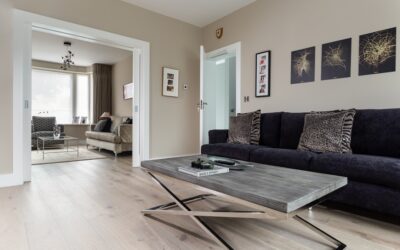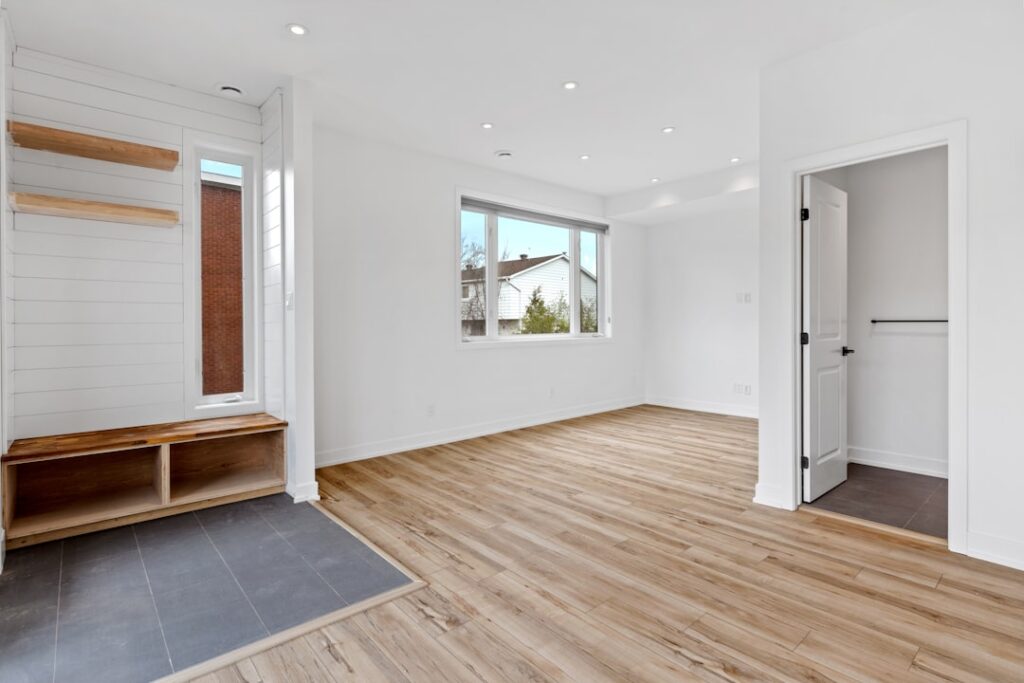
Floor laminate has been one of the most popular flooring choices in homes around the world for more than three decades. First introduced by the Swedish company Perstorp (now Pergo) in 1977, laminate flooring was designed to offer the appearance of real hardwood and stone at a fraction of the cost. Today, modern manufacturing techniques have made laminate more realistic, more durable, and more versatile than ever.
- What Is Floor Laminate?
- Understanding AC Ratings
- Laminate Flooring Thickness
- Installation Methods
- Click-Lock Floating Installation
- Glue-Down Installation
- Pre-Attached Underlayment
- DIY Installation Tips
- Top Laminate Flooring Brands in 2026
- How Much Does Laminate Flooring Cost?
- Pros and Cons of Floor Laminate
- Where to Install Floor Laminate (and Where Not To)
- How to Maintain Laminate Flooring
- Frequently Asked Questions
- How long does laminate flooring last?
- Is laminate flooring good for pets?
- Can laminate be installed over existing flooring?
- Is laminate flooring toxic or harmful?
- Final Thoughts
Whether you are renovating a single room or flooring an entire home, this comprehensive guide covers everything you need to know about floor laminate, including how it is made, how to evaluate quality, the best installation methods, top brands, pricing, and the honest pros and cons.
What Is Floor Laminate?
Laminate flooring is a multi-layer synthetic flooring product designed to replicate the look of natural materials, primarily hardwood and stone. Unlike solid wood or engineered wood flooring, laminate does not contain a real wood surface. Instead, it uses a high-resolution photographic image of wood (or stone) protected by a clear wear layer.
The Four Layers of Laminate Flooring
Every laminate plank or tile consists of four distinct layers, each serving a specific purpose:
- Backing layer (bottom): A melamine-treated layer that provides structural balance and moisture resistance from below. Some products include an attached underlayment or moisture barrier in this layer.
- Core layer: The structural heart of the plank, made from high-density fiberboard (HDF). This layer provides rigidity, impact resistance, and the click-lock profile that allows planks to connect without glue or nails. Higher-density cores produce a more stable, durable floor.
- Decor layer: A high-resolution photographic image printed on a thin sheet of paper. This is what gives laminate its visual appearance, whether that is oak, walnut, hickory, marble, or any other material. Modern printing technology produces remarkably lifelike images with natural color variation and grain patterns.
- Wear layer (top): A clear melamine or aluminum oxide coating that protects the decor layer from scratches, stains, fading, and wear. The thickness and composition of this layer determine the laminate’s durability rating.
Understanding AC Ratings
The AC (Abrasion Class) rating system is the industry standard for measuring laminate flooring durability. Developed by the European Producers of Laminate Flooring (EPLF), the AC rating evaluates resistance to abrasion, impact, staining, and burning. Here is what each rating means:
- AC1 (Moderate Residential): Suitable for low-traffic residential areas like closets and bedrooms. Rarely sold in North America.
- AC2 (General Residential): Suitable for moderate residential use in living rooms and dining rooms. Limited availability.
- AC3 (Heavy Residential / Moderate Commercial): The minimum recommended rating for most residential applications. Handles daily family traffic including children and pets. This is the most common rating for residential laminate.
- AC4 (General Commercial): Designed for commercial spaces like offices and boutiques, but also an excellent choice for busy households with pets and heavy foot traffic. AC4 laminate offers significantly better scratch and impact resistance than AC3.
- AC5 (Heavy Commercial): The highest durability rating, designed for high-traffic commercial spaces like retail stores and public buildings. AC5 laminate is overkill for most homes but provides the longest lifespan.
For most homes, AC3 is adequate for bedrooms and low-traffic areas, while AC4 is recommended for kitchens, hallways, living rooms, and homes with large dogs.
Laminate Flooring Thickness
Laminate flooring is available in thicknesses ranging from 6mm to 14mm. Thickness affects several performance factors:
- 6mm to 7mm: Entry-level laminate. Thinner products feel less substantial underfoot, produce more sound when walked on, and are more susceptible to telegraphing subfloor imperfections. Suitable for rentals, temporary installations, and low-traffic areas.
- 8mm: The standard thickness for residential laminate. Provides a good balance of stability, comfort, and cost. Most mid-range products fall in this range.
- 10mm to 12mm: Premium thickness that offers better sound dampening, more solid feel underfoot, improved dent resistance, and better tolerance of minor subfloor irregularities. Recommended for main living areas and homes where comfort and quality are priorities.
- 14mm: The thickest laminate available, offering the most wood-like feel and best acoustic performance. Relatively rare and expensive.
A quality underlayment can compensate somewhat for a thinner laminate, but starting with a thicker plank is generally preferable.
Installation Methods
One of the biggest advantages of floor laminate is how easy it is to install. Most laminate uses a floating click-lock system that requires no glue, nails, or special tools.
Click-Lock Floating Installation
This is by far the most common installation method and the one most DIYers use. Planks snap together via interlocking tongue-and-groove profiles along the long and short edges. The assembled floor floats freely over the subfloor, separated by a thin underlayment. Benefits include fast installation (a typical room can be completed in a day), no mess from adhesives, and the ability to disassemble and reuse the floor if needed.
Glue-Down Installation
Some laminate products can be glued directly to the subfloor or glued at the tongue-and-groove joints. Glue-down installation is less common for laminate and is primarily used in commercial settings or situations where maximum stability is needed. It eliminates the hollow sound sometimes associated with floating floors but makes the floor permanent and much harder to remove.
Pre-Attached Underlayment
Many modern laminate products come with underlayment pre-attached to the bottom of each plank. This simplifies installation by eliminating the separate underlayment step and ensures consistent performance. If your laminate has pre-attached underlayment, do not add a separate layer, as this can cause the floor to feel bouncy and may void the warranty.
DIY Installation Tips
- Acclimate the laminate in the room for 48 hours before installation.
- Ensure the subfloor is clean, dry, and level within 3/16 inch over 10 feet.
- Always install a vapor barrier over concrete subfloors.
- Maintain a 3/8-inch expansion gap around the perimeter and all fixed objects.
- Stagger end joints by at least 12 inches between adjacent rows for structural stability and a natural appearance.
- Work from left to right and from the longest wall toward the opposite wall.
- Use a pull bar for the last row and a tapping block to protect the click profiles when joining planks.
Top Laminate Flooring Brands in 2026
Pergo
As the inventor of laminate flooring, Pergo remains one of the most trusted names in the industry. Their TimberCraft, Defense+, and Outlast+ lines offer a range of styles from rustic to modern. Pergo is known for good water resistance (especially with their WetProtect technology), realistic textures, and wide availability at Lowe’s. Prices range from $2.50 to $5.00 per square foot.
Quick-Step
Quick-Step is renowned for their innovative click-lock systems (Uniclic) and exceptionally realistic surface textures. Their Natrona, Impressive, and Classic lines cover budget to premium price points. Quick-Step laminate is popular among flooring professionals for its consistent quality and easy installation. Prices range from $2.50 to $5.50 per square foot.
Mohawk RevWood
Mohawk’s RevWood line positions laminate as a wood alternative with enhanced water resistance. RevWood Plus and RevWood Select include waterproof surface protection and are backed by Mohawk’s All Pet Protection warranty. Available through authorized dealers, prices range from $3.00 to $5.00 per square foot.
Shaw Repel
Shaw’s laminate collections feature Repel water-resistant technology and ScufResist Platinum surface protection. Shaw offers a broad range of styles, from traditional oak to reclaimed wood looks. Prices range from $2.00 to $4.50 per square foot.
TrafficMaster (Home Depot)
For budget-conscious buyers, TrafficMaster is Home Depot’s house brand offering functional laminate at entry-level prices. While the surface textures and realistic details do not match premium brands, TrafficMaster provides decent durability for the price point of $0.80 to $2.00 per square foot. It is a popular choice for rental properties and quick renovations.
How Much Does Laminate Flooring Cost?
Here is a comprehensive pricing guide for floor laminate in 2026:
Materials
- Budget laminate (6-7mm, AC3): $0.80 to $2.00 per square foot
- Mid-range laminate (8mm, AC3-AC4): $2.00 to $4.00 per square foot
- Premium laminate (10-12mm, AC4-AC5): $3.50 to $6.00 per square foot
- Underlayment: $0.25 to $0.75 per square foot (if not pre-attached)
Installation
- Professional installation: $2.00 to $4.00 per square foot for standard stagger pattern
- Herringbone or chevron pattern: $4.00 to $8.00 per square foot due to added complexity
- Subfloor preparation (if needed): $1.00 to $3.00 per square foot
- Old flooring removal: $0.50 to $2.00 per square foot
Total Project Cost Examples
- 200-square-foot bedroom (budget): $400 to $800 for materials, DIY installation
- 500-square-foot living area (mid-range, professional install): $2,000 to $4,000
- 1,500-square-foot main level (premium, professional install): $8,250 to $15,000
Pros and Cons of Floor Laminate
Pros
- Affordable: Laminate costs a fraction of hardwood flooring while offering a convincing wood look.
- Durable surface: The melamine wear layer resists scratches, dents, and stains better than most real wood surfaces.
- Easy DIY installation: Click-lock floating systems allow most homeowners to install laminate themselves with basic tools.
- Huge variety: Available in hundreds of wood and stone designs, plank sizes, and textures.
- Low maintenance: Requires only regular sweeping and occasional damp mopping.
- Hypoallergenic: Unlike carpet, laminate does not trap dust mites, pollen, or pet dander.
- Fade resistant: Quality laminate resists UV fading better than hardwood or vinyl.
Cons
- Moisture vulnerability: Standard laminate is not waterproof. The HDF core swells when exposed to standing water. Waterproof laminate options exist but cost more.
- Cannot be refinished: Once the wear layer wears through, the floor must be replaced. Hardwood and engineered wood can be sanded and refinished multiple times.
- Sound: Laminate can sound hollow or clicky underfoot, especially thinner products without quality underlayment.
- Feel: Despite realistic visuals, laminate does not feel like real wood to the touch. The surface temperature and texture are noticeably different from hardwood.
- No real wood value: Laminate does not add the same perceived value to a home as real hardwood flooring in real estate terms.
- Slippery when wet: Some laminate surfaces can be slippery when wet, which is a concern in kitchens and entryways.
- Subfloor sensitivity: Laminate requires a very flat subfloor. Imperfections telegraph through the thin floating floor, causing unevenness, noise, and premature wear.
Where to Install Floor Laminate (and Where Not To)
Best Rooms for Laminate
- Living rooms and family rooms: Laminate handles daily traffic well and looks great in main living spaces.
- Bedrooms: Low moisture, moderate traffic, and the warm wood look make laminate ideal for bedrooms.
- Hallways and entryways: Choose AC4-rated laminate for these high-traffic areas.
- Home offices: Laminate is comfortable for desk chairs (use a chair mat) and easy to keep clean.
- Dining rooms: Laminate resists food stains and is easy to clean under dining tables.
Use with Caution
- Kitchens: Standard laminate works in kitchens if spills are cleaned promptly. For added protection, choose a waterproof laminate product.
- Laundry rooms: Only with waterproof laminate and careful management of potential leaks.
Not Recommended
- Full bathrooms: The sustained moisture from showers, baths, and condensation makes standard laminate a risky choice. Use waterproof flooring like vinyl plank or tile instead.
- Basements with moisture issues: While laminate can be installed in dry basements with a proper moisture barrier, basements prone to flooding or high humidity are better suited to vinyl or concrete-based options.
How to Maintain Laminate Flooring
Proper maintenance keeps floor laminate looking good for decades:
- Daily: Sweep or use a dry microfiber dust mop to remove loose dirt and debris.
- Weekly: Damp mop with a laminate-specific cleaner (such as Bona or Black Diamond). Wring the mop thoroughly so it is only slightly damp.
- Avoid: Steam mops, excessive water, wax or polish products, abrasive cleaners, and vinegar solutions (vinegar can dull the finish over time).
- Protect: Use felt pads under furniture, area rugs in high-traffic zones, and doormats at entrances.
- Pet care: Keep pet nails trimmed to prevent scratches, and clean up accidents immediately.
Frequently Asked Questions
How long does laminate flooring last?
Quality laminate (AC3 or higher, 8mm or thicker) typically lasts 15 to 25 years in residential settings. Premium AC4 and AC5 products can last 25 to 30 years with proper care.
Is laminate flooring good for pets?
Yes. Laminate’s scratch-resistant surface handles pet nails better than hardwood, and the smooth surface does not trap pet hair and dander like carpet. Choose AC4-rated laminate for the best scratch resistance with large dogs.
Can laminate be installed over existing flooring?
Laminate can be installed over most existing hard flooring surfaces (vinyl, tile, existing laminate) as long as the surface is flat, clean, and structurally sound. It should not be installed over carpet. Always check the manufacturer’s guidelines for approved substrates.
Is laminate flooring toxic or harmful?
Modern laminate flooring from reputable brands meets strict emissions standards including CARB Phase 2 and FloorScore certification. These standards ensure formaldehyde and VOC emissions are well below harmful levels. Always choose certified products from established manufacturers.
Final Thoughts
Floor laminate remains one of the best values in home flooring. It offers a realistic wood look, impressive durability, easy installation, and straightforward maintenance at a price point that fits most budgets. The key to a successful laminate flooring project is choosing the right product for the room, paying attention to AC ratings and thickness, preparing the subfloor properly, and following the manufacturer’s installation and care guidelines. With the right product in the right room, laminate flooring delivers excellent performance and style for 15 to 25 years or more.
Prefer to explore on your own?
See how new flooring looks in your actual room in seconds — free, no signup.
Try the free Floor Studio →