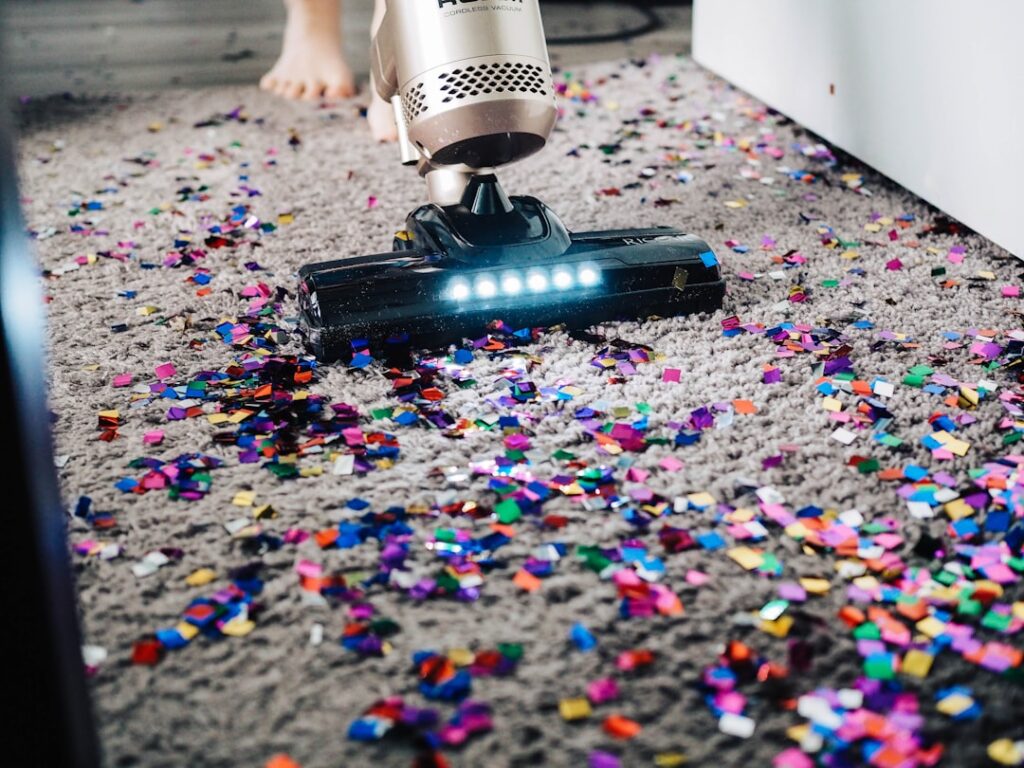
A floor steam cleaner rental is one of the cheapest ways to deep-clean tile, grout, and sealed surfaces without buying a machine you will use twice a year. Rental units from home improvement stores and grocery chains cost a fraction of a professional service call, and for many homeowners they deliver results that are close to what a pro achieves. The catch is that steam is not safe for every floor, and renting the wrong machine for your surface can leave you with warped boards or a lifted finish. Knowing what to rent and what to keep steam away from is the whole game.
What a Rental Actually Costs
Rental pricing varies by machine type and region, but here are realistic ranges to plan around:
- Steam mops: Rarely rented; most stores sell these for $40 to $120 since they are cheap to own.
- Commercial steam cleaners: Roughly $40 to $80 per day at equipment rental counters.
- Carpet steam extractors (hot water): $30 to $50 per day, plus $20 to $40 for cleaning solution.
- Deposit or hold: Many stores place a $50 to $150 card hold that is released on return.
A single day is usually enough to do an average home’s tile floors or carpets, so total out-of-pocket often lands between $50 and $100 including solution. Compare that to $150 to $400 for a professional visit and the savings are obvious for anyone comfortable running the machine themselves.
Where to Rent
The most common sources are the big home improvement chains, which rent commercial-grade tile and grout steamers by the day, and grocery or hardware stores that stock the familiar carpet-cleaning machines up front. Local tool rental yards often have heavier commercial steamers if you need more power for a large area or stubborn grout. Reserve ahead on weekends, since these machines get booked quickly, and ask whether the price is a four-hour or a full 24-hour rate so you plan the day accordingly.
Which Floors Can Handle Steam
Steam works beautifully on some surfaces and destroys others. It is safe and effective on glazed ceramic and porcelain tile, natural stone that is properly sealed, and grout lines that trap grime a mop cannot reach. The high heat sanitizes without chemicals, which is a real benefit in kitchens and bathrooms.
Steam is risky or off-limits on the following:
- Hardwood: Heat and moisture drive into board seams, swell the wood, and can lift the finish. Most manufacturers void warranties if you steam solid or engineered wood.
- Laminate: The fiberboard core soaks up moisture and swells at the seams, causing permanent edge damage.
- Unsealed stone: Steam can push moisture into porous marble or slate and cause discoloration.
- Vinyl and LVP: Some are steam-rated, but many soften or delaminate under sustained heat. Check the manufacturer’s guidance first.
Steam Mop vs. Hot-Water Extractor
These two machines are often confused at the rental counter. A steam cleaner heats water into vapor and cleans hard surfaces like tile and grout. A hot-water extractor, the type most people rent for carpet, sprays a heated cleaning solution and then vacuums the dirty water back out. If your goal is deep-cleaning carpet, you want the extractor. If your goal is sanitizing tile and blasting grout, you want a true steam unit. Renting the wrong one is the most common mistake homeowners make, so tell the counter staff exactly what surface you are cleaning.
Getting the Best Results
Prep matters more than horsepower. Sweep or vacuum thoroughly first, because loose grit turns into muddy streaks the moment you add moisture. For grout, spray a grout-safe cleaner and let it dwell for ten minutes before you steam, which loosens buildup so the heat can flush it out. Work in small sections, wipe up the loosened dirt as you go, and refill the reservoir with distilled water if your area has hard water, since minerals can clog the nozzle. Open windows or run a fan afterward so the surface dries quickly rather than staying damp.
When Renting Beats Buying
If you have a large tile area, do deep cleans only a couple of times a year, or need commercial power for heavy grout buildup, a rental is the smart call. If you find yourself steam-cleaning tile monthly, a $60 to $120 consumer steam mop pays for itself fast and saves the trip. For a one-time move-out clean or a seasonal refresh, though, a floor steam cleaner rental gives you professional-grade equipment for the price of a couple of restaurant meals.
Getting the Most From a Single Rental Day
Because a floor steam cleaner rental is usually billed by the day, the smart move is to line up every steam-safe surface in the house so the machine earns its keep before you return it. Map out the tile floors, the grout lines that need the most attention, and any sealed stone in one continuous plan, then work room by room so you are not doubling back. Fill and heat the reservoir once and keep it topped up rather than letting it cool between rooms, since reheating from cold wastes minutes you are paying for. It also helps to pre-treat the worst grout lines with a grout-safe cleaner an hour before you start, so the buildup is already softening by the time the steam reaches it. If your rental includes attachments, a small brass or nylon brush head makes short work of grout and shower corners that a flat floor head skips over. Batching the whole house into one focused session is how a modest rental fee turns into a deep clean that would cost several times as much from a service, and it means you are not tempted to rent again in a month for the spots you missed.
Steam Cleaning Versus Other Methods
It is worth understanding where steam fits among your other cleaning options so you rent it for the right reasons. For everyday tile maintenance, a damp mop with a pH-neutral cleaner is faster and perfectly adequate, and there is no reason to rent a machine for routine floors. Steam earns its place when grime has built up in grout, when you want to sanitize a kitchen or bathroom without chemicals, or when a move-out or seasonal deep clean calls for more than a mop can deliver. For carpet, the comparison is different again: a hot-water extractor lifts embedded dirt and pet odors that steam alone cannot, which is why that is the machine to rent for soft flooring. Chemical grout cleaners and a stiff brush can handle small areas by hand, but across a whole floor the heat and pressure of a steam unit save hours of scrubbing. Match the method to the mess, and reserve the rental for the jobs where steam genuinely outperforms the simpler tools you already own.
Return Tips to Avoid Extra Fees
Empty and rinse the tanks before returning the machine, wrap the cords, and return it within the rated window to dodge late charges that can double your bill. Take a photo of the unit when you pick it up so any pre-existing scuffs are documented. Keep your receipt until the card hold clears, which can take a few business days. A little diligence on the return keeps the rental as cheap as advertised.
Prefer to explore on your own?
See how new flooring looks in your actual room in seconds — free, no signup.
Try the free Floor Studio →