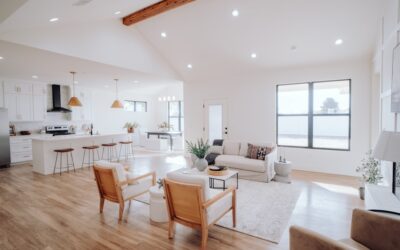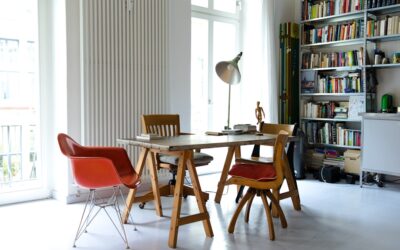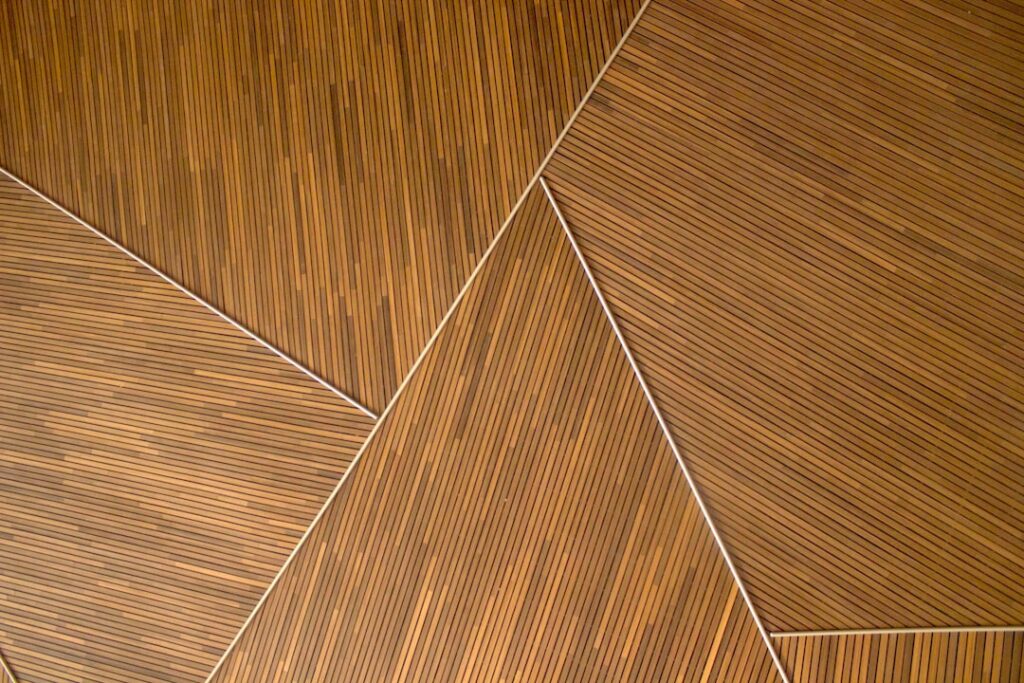
Picking a floor on a showroom sample chip is one of the most common renovation mistakes homeowners make. Looking at real flooring examples in context, by room, by style, and by how each material actually performs, tells you far more than a two-inch swatch ever could. This guide walks through the most popular flooring types with concrete examples of where they shine and where they fall short, plus realistic price ranges to help you budget.
- Hardwood Examples
- Engineered Wood Examples
- Luxury Vinyl Plank Examples
- Tile Examples
- Laminate Examples
- Carpet Examples
- Matching Examples to Rooms
- Budget-Tier Examples Across Materials
- Texture and Finish Examples That Change the Look
- Common Mistakes These Examples Reveal
- How to Use Examples Before You Buy
- The Bottom Line
Hardwood Examples
Solid oak in a living room remains the gold standard for resale and warmth. A 3/4-inch white oak floor, site-finished in a natural matte, runs roughly $8 to $14 per square foot installed and can be sanded and refinished several times over its life. Walnut delivers a richer, darker example for studies and bedrooms, while maple suits brighter, modern spaces.
Where hardwood struggles: bathrooms, laundry rooms, and below-grade basements. Moisture is its enemy, so these are the rooms to look at other examples instead.
Engineered Wood Examples
An engineered hickory plank over a concrete slab is a textbook example of solving a real problem. Because engineered boards use a plywood core, they resist the cupping that solid wood suffers in humid or below-grade settings. Expect $4 to $9 per square foot. A 7-inch wide-plank engineered oak in a kitchen gives you the wood look with a wear layer thick enough to refinish once or twice.
Luxury Vinyl Plank Examples
LVP has become the default for families and rentals, and for good reason. A waterproof rigid-core plank in a kitchen or basement handles spills, dropped pans, and muddy paws without complaint. Prices land between $2.50 and $6 per square foot. A stone-look LVT in an entryway is another strong example, giving the cold-underfoot drama of tile without the grout maintenance.
- Best example use: kitchens, basements, bathrooms, mudrooms
- Watch out for: cheap thin planks under 4mm that dent and telegraph subfloor flaws
Tile Examples
Large-format porcelain in a bathroom is the classic tile example: fully waterproof, easy to clean, and available in convincing wood and marble looks. Glazed porcelain runs $3 to $10 per square foot for material, with installation often matching or exceeding that. A small hexagon mosaic on a shower floor shows tile’s flexibility, since the many grout lines add grip underfoot.
The downsides show up underfoot and overhead in your budget: tile is hard, cold, and labor-intensive to install. Grout also needs sealing and periodic scrubbing.
Laminate Examples
A high-traffic hallway is a perfect laminate example. Modern laminate’s aluminum-oxide wear layer shrugs off scratches better than real wood, and embossed textures look surprisingly authentic. Pricing sits at $1.50 to $3.50 per square foot, making it the value champion. Water-resistant laminate lines now handle kitchens too, though standing water at seams remains a weak point.
Carpet Examples
Bedrooms and basements are where carpet still wins. A plush nylon carpet adds quiet, warmth, and a soft landing in a kids’ room, with installed costs from $3 to $7 per square foot including pad. A low-pile loop or Berber in a home office balances comfort with chair-roll durability. The trade-off is staining and allergen capture, so carpet is rarely the example to follow in kitchens or bathrooms.
Matching Examples to Rooms
The smartest approach is to choose by room performance, not by a single whole-house material. A practical example layout for a family home might look like this:
- Main living areas: engineered hardwood or premium LVP for warmth and durability
- Kitchen and baths: porcelain tile or waterproof rigid-core vinyl
- Bedrooms: plush carpet or the same wood-look running throughout for flow
- Basement: rigid-core LVP rated for below-grade moisture
Budget-Tier Examples Across Materials
Real examples help most when you see the same room solved at different price points. Picture a 400-square-foot main floor done three ways. At the budget end, water-resistant laminate at roughly $4 to $6 per square foot installed delivers a convincing oak look for around $1,600 to $2,400. In the mid-range, rigid-core LVP at $5 to $8 installed lands near $2,000 to $3,200 and adds full waterproofing. At the premium end, site-finished white oak at $9 to $14 installed runs $3,600 to $5,600 but can be refinished for generations.
The lesson these examples teach is that the cheapest material is not always the best value. A laminate that fails at the seams after one dishwasher leak costs more over ten years than a waterproof vinyl that never flinches. Match the tier to how the room is actually used, not just to the lowest sticker.
Texture and Finish Examples That Change the Look
Two floors made of the same species can read completely differently based on finish. A smooth, high-gloss oak example looks formal and modern but shows every scratch and footprint. A wire-brushed, matte oak in the identical color reads rustic and hides wear far better, which is why it dominates new construction. Hand-scraped examples push further into farmhouse territory, while a light, raw-look matte feels Scandinavian and contemporary.
Tile and vinyl follow the same rule. A polished porcelain example looks luxe but turns slick when wet, so a matte or textured finish is the safer example for bathrooms and entries. When you compare samples, judge the finish as carefully as the color, because it drives both the mood and the day-to-day maintenance.
Common Mistakes These Examples Reveal
Studying real installations exposes the errors homeowners repeat. The most frequent is choosing a color that looks great in the store’s bright, cool lighting but turns yellow or muddy under warm home bulbs. Another is buying a thin LVP under 4mm that telegraphs every subfloor lump within months. A third is running a single material everywhere, then watching the bedroom carpet wear out on a different timeline than the hallway vinyl.
- Skipping the in-room test: committing from a 2-inch chip instead of a 12-inch sample on your actual floor
- Ignoring undertone: a gray-wash that clashes with warm-toned cabinets or trim
- Under-ordering: not buying 7 to 10 percent extra for cuts and future repairs from one dye lot
How to Use Examples Before You Buy
Order large samples, at least 12 inches, and lay them in the actual room. Look at them in morning daylight and under your evening lighting, since color shifts dramatically between the two. Walk on a stacked sample to judge feel, and slide a key across the surface to test scratch resistance. Photograph each example next to your cabinets, trim, and furniture so you compare the full picture rather than an isolated chip.
The Bottom Line
Real-world flooring examples reveal what spec sheets cannot: how a material looks under your light, feels under your feet, and holds up to your life. Use the room-by-room framework above, pull generous samples, and you will choose a floor that performs as well as it photographs.
Prefer to explore on your own?
See how new flooring looks in your actual room in seconds — free, no signup.
Try the free Floor Studio →