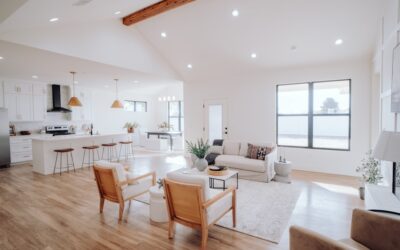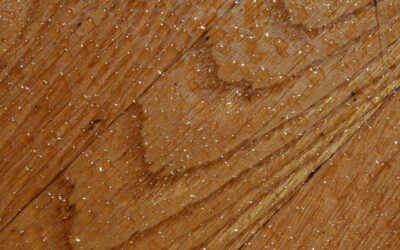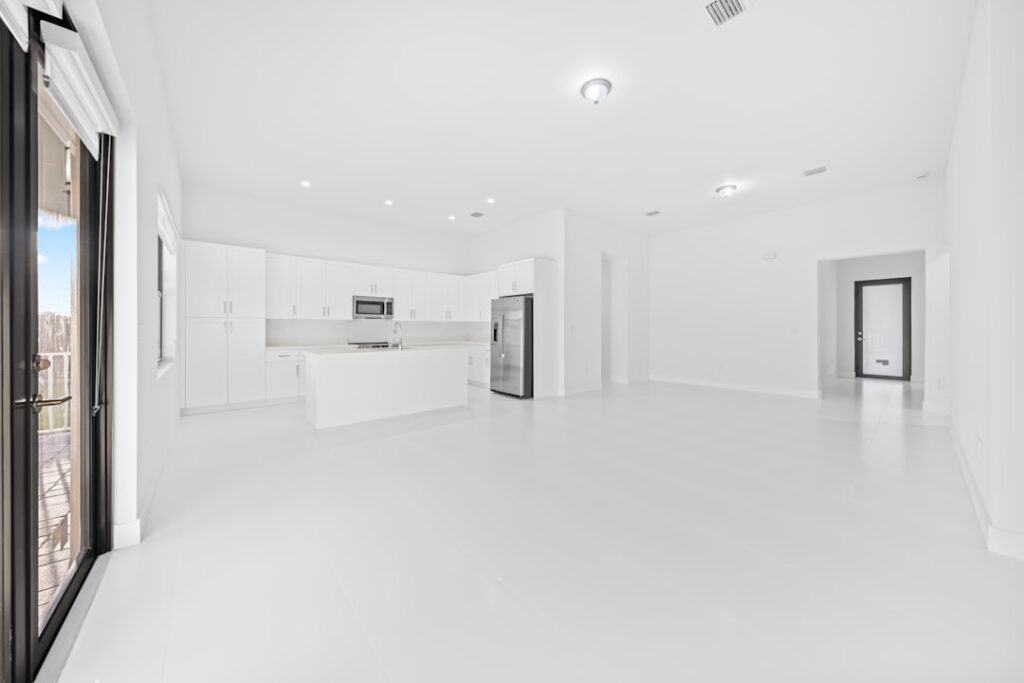
Choosing the right flooring for basement spaces is one of the most consequential decisions in any below-grade renovation. Unlike every other room in your home, a basement sits partially or fully underground, surrounded by soil that holds moisture, experiences minimal temperature fluctuation, and is the most likely space in the house to encounter water intrusion. The wrong flooring choice in a basement can lead to mold, warping, delamination, and thousands of dollars in remediation costs.
- Why Basement Flooring Is Different
- How to Test for Basement Moisture
- Best Basement Flooring Options Ranked
- 1. Luxury Vinyl Plank (LVP) — Best Overall
- 2. Porcelain Tile — Best for Wet Basements
- 3. Epoxy Floor Coating — Best for Utility Spaces
- 4. Rubber Flooring — Best for Home Gyms
- 5. Carpet Tiles — Best for Comfort and Warmth
- 6. Engineered Hardwood — Best Premium Look
- Basement Flooring Options to Avoid
- Subfloor Considerations for Basements
- Cost Comparison for Basement Flooring
- Frequently Asked Questions
- Can I put flooring directly on a basement concrete slab?
- What is the most waterproof basement flooring?
- Should I finish my basement floor if I have moisture problems?
- Is LVP better than tile for basements?
- Final Thoughts
The good news is that modern flooring technology has produced several excellent options specifically suited to basement conditions. This guide ranks the best basement flooring options, explains the unique challenges of below-grade installation, and helps you match the right flooring to your basement’s specific conditions and your intended use for the space.
Why Basement Flooring Is Different
Before selecting a flooring material, it is essential to understand what makes basements uniquely challenging for flooring installation.
Moisture Is the Primary Concern
Concrete basement floors are porous. Even when they appear dry, moisture vapor continuously migrates upward through the concrete slab from the soil below. This process, called moisture vapor transmission, occurs in virtually every basement regardless of age or construction quality. On top of that, basements are vulnerable to water intrusion from heavy rain, snowmelt, plumbing failures, and high water tables.
Any flooring installed in a basement must either be inherently waterproof or be installed using methods that accommodate ongoing moisture exposure. Flooring materials that absorb water, like solid hardwood or standard carpet, are generally poor choices for basements.
Concrete Subfloors
Most basements have concrete slab subfloors, which limits installation options. Nail-down flooring is not possible on concrete without a plywood subfloor overlay. Concrete slabs may also be uneven, with high and low spots that need to be addressed before installation. Self-leveling compound is commonly used to correct these imperfections.
Temperature and Comfort
Basements tend to be cooler than the rest of the house, especially in northern climates. Concrete slabs feel cold underfoot. Flooring choices that include built-in insulation or that work well over radiant heat can significantly improve the comfort of a finished basement.
How to Test for Basement Moisture
Before installing any flooring in a basement, you should test the concrete slab for moisture. There are two common methods.
Plastic Sheet Test
Tape a 2-foot by 2-foot piece of clear plastic sheeting flat against the concrete floor, sealing all edges with duct tape. Leave it in place for 72 hours. If moisture droplets appear on the underside of the plastic or the concrete beneath it appears darker or damp, you have a moisture issue that needs to be addressed before installing flooring.
Calcium Chloride Test
This is the more precise industry-standard test. A small container of calcium chloride is placed on the concrete and covered with a sealed dome. After 60 to 72 hours, the container is weighed to measure how much moisture it absorbed from the concrete. Most flooring manufacturers require a reading below 3 to 5 pounds per 1,000 square feet per 24 hours for their products to be installed over concrete.
If your moisture levels are too high, solutions include improving exterior drainage, applying a concrete moisture barrier coating, or using a dimpled subfloor membrane system that creates an air gap between the concrete and the flooring above.
Best Basement Flooring Options Ranked
1. Luxury Vinyl Plank (LVP) — Best Overall
Luxury vinyl plank is the top-ranked flooring for basement installation in 2026, and it is not close. LVP with a rigid SPC or WPC core is 100% waterproof, dimensionally stable, comfortable underfoot, and available in designs that convincingly replicate hardwood, stone, and tile. It installs as a floating floor over concrete, requires minimal subfloor preparation, and handles the temperature fluctuations common in basements without expanding or contracting significantly.
For basements specifically, look for SPC vinyl planks with a stone plastic composite core. SPC is denser and more rigid than WPC, making it more resistant to denting and better suited to the cooler temperatures typical of basement environments. Many SPC products come with attached underlayment and a built-in moisture barrier, simplifying installation further.
- Cost: $2 to $6 per square foot (material), $4 to $9 installed
- Pros: Waterproof, easy DIY install, wide design selection, comfortable, affordable
- Cons: Cannot be refinished, may dent under very heavy point loads
- Best for: Family rooms, home offices, bedrooms, playrooms, and virtually any basement use
2. Porcelain Tile — Best for Wet Basements
If your basement has a history of water intrusion or you are converting the space into a bathroom, laundry room, or workshop, porcelain tile is the most durable and water-resistant option available. Porcelain is essentially impervious to water, will not grow mold, and can withstand decades of use without showing wear. It is also available in wood-look, stone-look, and concrete-look designs that suit any aesthetic.
The downsides of tile in a basement are that it feels cold and hard underfoot, requires more subfloor preparation for a level installation, and costs more to install than vinyl. However, for basements where moisture is a persistent concern, the peace of mind that tile provides is worth the investment.
- Cost: $2 to $10 per square foot (material), $8 to $18 installed
- Pros: Completely waterproof, extremely durable, will not grow mold, long lifespan
- Cons: Cold underfoot, hard on joints, expensive installation, requires level subfloor
- Best for: Wet basements, bathrooms, laundry rooms, workshops
3. Epoxy Floor Coating — Best for Utility Spaces
Epoxy flooring creates a seamless, waterproof, chemical-resistant surface directly on the concrete slab. It is the go-to choice for basement workshops, home gyms, garages, and utility areas where durability and easy cleaning matter more than warmth or residential aesthetics. Modern epoxy systems are available in solid colors, metallic finishes, and decorative flake patterns that look far more attractive than bare concrete.
- Cost: $3 to $7 per square foot (DIY), $6 to $15 installed professionally
- Pros: Waterproof, seamless, chemical-resistant, easy to clean, customizable appearance
- Cons: Cold and hard underfoot, can be slippery when wet without anti-slip additive, labor-intensive preparation
- Best for: Workshops, home gyms, utility areas, man caves
4. Rubber Flooring — Best for Home Gyms
Rubber flooring in tile or roll form is the ideal choice if your basement will primarily serve as a home gym or exercise space. Rubber is naturally moisture-resistant, provides excellent shock absorption, reduces noise transmission to floors above, and protects the concrete slab from dropped weights. It is available in interlocking tiles for easy DIY installation or large rolls for seamless coverage.
- Cost: $2 to $8 per square foot (material), $4 to $12 installed
- Pros: Shock absorbing, sound dampening, moisture-resistant, protects concrete, easy to install
- Cons: Limited aesthetic appeal, rubber odor initially, can stain under colored rubber mats
- Best for: Home gyms, playrooms, exercise areas, workshops
5. Carpet Tiles — Best for Comfort and Warmth
If your primary concern is making a basement feel warm and inviting, carpet tiles (also called modular carpet or carpet squares) are the best approach. Unlike broadloom carpet, individual carpet tiles can be easily removed and replaced if they get wet or stained. Many carpet tiles are designed with waterproof backing that prevents moisture from migrating from the concrete into the carpet fiber. They also provide the best thermal and acoustic insulation of any basement flooring option.
- Cost: $1 to $5 per square foot (material), $3 to $8 installed
- Pros: Warm, soft, excellent sound absorption, individual tiles replaceable, easy DIY install
- Cons: Can harbor mold if basement floods, limited moisture resistance in budget options, not as durable as hard flooring
- Best for: Bedrooms, media rooms, playrooms in dry basements
6. Engineered Hardwood — Best Premium Look
Engineered hardwood can work in a basement when conditions are right. Its layered construction resists warping better than solid hardwood, and it can be installed as a floating floor over a moisture barrier on concrete. However, engineered hardwood is not waterproof. The real wood veneer and plywood core can be damaged by water exposure, so this option is only appropriate for basements that have been thoroughly waterproofed and show consistently low moisture readings.
- Cost: $4 to $12 per square foot (material), $8 to $18 installed
- Pros: Real wood beauty, can be refinished, premium feel and appearance
- Cons: Not waterproof, requires low moisture conditions, expensive, higher risk in a basement environment
- Best for: Dry basements used as living spaces where aesthetics are the top priority
Basement Flooring Options to Avoid
Solid Hardwood
Solid hardwood flooring is not recommended for basements. It requires nail-down installation on a wood subfloor, absorbs moisture readily, and will cup, warp, and buckle in the higher humidity conditions typical of below-grade spaces. No major hardwood manufacturer warranties their solid hardwood products for below-grade installation.
Standard Laminate
While laminate flooring can technically be installed in a basement, its HDF core is highly susceptible to water damage. Even with a moisture barrier, any water intrusion event can cause irreversible swelling. If you want the look of laminate, choose waterproof LVP instead, which offers similar aesthetics with genuine water resistance.
Broadloom Carpet
Wall-to-wall carpet over carpet pad is a risky choice for basements. If water intrusion occurs, the carpet and pad absorb moisture and create an ideal environment for mold growth. Drying out a flooded carpeted basement often requires tearing out and replacing the carpet and pad entirely. Carpet tiles with waterproof backing are a far better alternative.
Subfloor Considerations for Basements
The condition and preparation of your concrete subfloor significantly impacts the performance of any flooring you install over it.
Leveling the Slab
Basement concrete slabs are rarely perfectly level. For floating floor installations like LVP, the slab should be flat within 3/16 inch over a 10-foot span. Self-leveling compound is the easiest way to correct low spots, while grinding addresses high spots. For tile installation, a level slab is even more critical to prevent lippage between tiles.
Moisture Barriers
A 6-mil polyethylene vapor barrier is the minimum moisture protection for most basement flooring installations. For higher moisture conditions, consider a dimpled subfloor membrane like DMX One Step or Delta-FL. These products create an air gap above the concrete that allows moisture to evaporate without reaching the flooring. They also provide a small amount of thermal insulation and a level surface for floating floor installation.
Insulated Subfloor Panels
For the ultimate in basement comfort, insulated subfloor panels like DRIcore combine a moisture barrier, an air gap, and an insulating layer in a single interlocking panel system. These panels raise the floor about 1 inch and provide a warm, dry surface for any flooring type. They add $2 to $4 per square foot to the project cost but dramatically improve the comfort and warmth of a finished basement.
Cost Comparison for Basement Flooring
Here is a quick comparison of total installed costs for a typical 500-square-foot basement.
- LVP (floating): $2,000 to $4,500 installed
- Porcelain tile: $4,000 to $9,000 installed
- Epoxy coating: $3,000 to $7,500 installed
- Rubber tile: $2,000 to $6,000 installed
- Carpet tile: $1,500 to $4,000 installed
- Engineered hardwood: $4,000 to $9,000 installed
These estimates include basic subfloor preparation and a standard moisture barrier. Add $1,000 to $2,000 for significant leveling work or premium subfloor panel systems.
Frequently Asked Questions
Can I put flooring directly on a basement concrete slab?
Yes, but you should always use a moisture barrier between the concrete and the flooring. For floating floors, a vapor barrier underlayment is sufficient. For glue-down installations, apply a moisture-suppressing primer or membrane first. Only epoxy coatings and some tile installations bond directly to the concrete without an intermediate moisture barrier.
What is the most waterproof basement flooring?
Porcelain tile and epoxy coatings are the most completely waterproof options. LVP is fully waterproof at the plank level but water can seep between planks in a significant flooding event. For basements with recurring water issues, tile or epoxy provides the most reliable protection.
Should I finish my basement floor if I have moisture problems?
Address the moisture problem first. Improve exterior grading and drainage, repair foundation cracks, install or service a sump pump, and consider interior waterproofing coatings. Once moisture levels test within acceptable ranges, proceed with a waterproof flooring option like LVP, tile, or epoxy.
Is LVP better than tile for basements?
For most residential basements, LVP is the better choice because it is warmer, more comfortable, easier to install, and significantly cheaper. Tile is the better choice for basements with persistent moisture issues, for basement bathrooms, or when maximum durability is the priority.
Final Thoughts
The best flooring for basement spaces in 2026 is luxury vinyl plank for the vast majority of homeowners. It checks every important box: waterproof, affordable, comfortable, attractive, and DIY-friendly. For specific use cases like home gyms, utility areas, or wet basements, rubber, epoxy, and tile are excellent alternatives. The key to any successful basement flooring project is addressing moisture concerns first and choosing a material designed to handle the unique conditions found below grade. Do that, and your finished basement will provide years of comfortable, trouble-free use.
Prefer to explore on your own?
See how new flooring looks in your actual room in seconds — free, no signup.
Try the free Floor Studio →