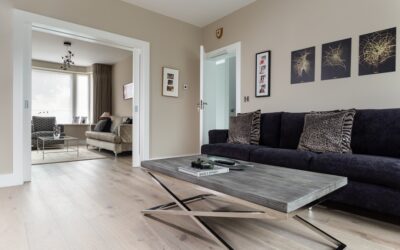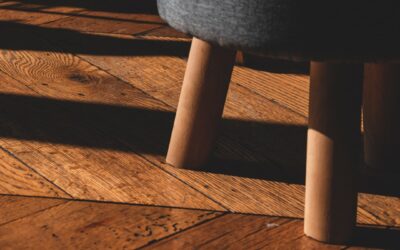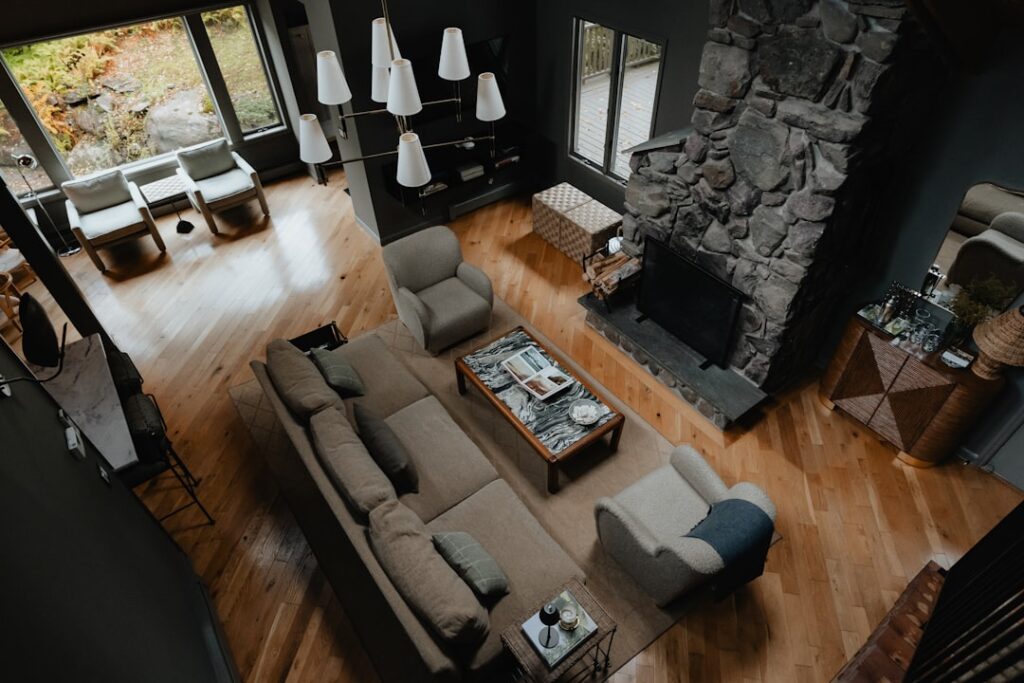
Laminate flooring is one of the most popular flooring choices worldwide, and for good reason. It delivers the look of hardwood at a fraction of the cost, installs quickly with a click-lock system, and stands up to scratches, fading, and daily wear better than many alternatives.
This guide covers everything about laminate flooring, from how it is made to what it costs, how to install it, and how to keep it looking great for years.
What Is Laminate Flooring?
Laminate is a multi-layer engineered flooring product. It consists of four main layers: a stabilizing backer layer on the bottom, a high-density fiberboard (HDF) core that provides structure, a photographic design layer that replicates the look of wood, stone, or tile, and a clear wear layer on top made from melamine resin.
The design layer is a high-resolution photograph printed onto paper, which is then bonded to the core under extreme heat and pressure. This printing technology has advanced dramatically, and modern laminate is visually convincing from standing height and beyond.
Laminate is not wood, though it looks like it. This distinction matters for understanding its performance characteristics, especially around moisture.
Types of Laminate Flooring
Standard Laminate
Standard laminate uses a traditional HDF core with no special water treatment. It is the most affordable option and works well in dry areas like bedrooms, living rooms, and hallways. Standard laminate should not be installed in bathrooms, kitchens, or basements.
Water-Resistant Laminate
Water-resistant laminate features sealed edges, tighter click-lock joints, and sometimes a wax-treated core that repels surface moisture. It can handle occasional spills and splashes when cleaned up promptly. It is a step up from standard laminate for kitchens and entryways but is still not suitable for bathrooms or areas with standing water.
Waterproof Laminate
A newer category, waterproof laminate uses a plastic or polymer-based core instead of HDF, making it impervious to water damage. This essentially creates a hybrid between laminate and vinyl, combining the scratch resistance and feel of laminate with the water resistance of vinyl. Waterproof laminate is suitable for any room including bathrooms and basements.
Textured and Embossed Laminate
Premium laminate products feature registered embossing that aligns the surface texture with the printed grain pattern. This adds a tactile dimension that flat laminate lacks. Hand-scraped, wire-brushed, and rustic textures are the most popular styles.
Laminate Flooring Costs in 2026
Material costs range broadly depending on quality and features.
Entry-level laminate runs seventy cents to one dollar and fifty cents per square foot. These products have thinner cores, basic designs, and limited warranties. They are functional for budget projects but lack the visual and tactile realism of better options.
Mid-range laminate costs one dollar fifty to three dollars per square foot. This tier offers thicker cores (10 to 12mm), more realistic designs, registered embossing, and 20-to-25-year warranties. This is the sweet spot for most homeowners.
Premium laminate ranges from three to five dollars per square foot. These products feature water-resistant or waterproof cores, the most realistic textures, and 30-year or lifetime warranties.
Professional installation adds one to three dollars per square foot. Many homeowners install laminate themselves, as it is one of the most DIY-friendly flooring types available.
Pros of Laminate Flooring
Affordable. Laminate delivers a convincing wood look at one-quarter to one-half the cost of real hardwood flooring.
Scratch resistant. The melamine wear layer is harder than most wood species and resists scratches from pets, furniture, and foot traffic.
Fade resistant. Quality laminate resists fading from sunlight better than hardwood and many vinyl products.
Easy to install. Click-lock laminate floats over the subfloor without glue or nails. A handy homeowner can install an average room in a day.
Easy to maintain. Regular sweeping and occasional damp mopping are all that is needed. No waxing, polishing, or refinishing required.
Hygienic. The sealed surface does not harbor allergens, dust mites, or bacteria the way carpet does.
Cons of Laminate Flooring
Moisture vulnerability. Standard and water-resistant laminate can be damaged by standing water. The HDF core swells irreversibly when saturated.
Cannot be refinished. Unlike hardwood, laminate cannot be sanded and refinished when it wears out. Once the wear layer is damaged, the plank must be replaced.
Hollow sound. Without quality underlayment, laminate can sound hollow and amplify footstep noise. This is especially noticeable in rooms above other living spaces.
Lower resale value. While laminate is attractive and functional, it does not carry the same perceived value as real wood in most housing markets.
Feels different from wood. Despite looking like wood, laminate feels different underfoot. The temperature, hardness, and sound are noticeably synthetic to many people.
How to Install Laminate Flooring
Subfloor Preparation
The subfloor must be clean, dry, and flat within three-sixteenths of an inch over a ten-foot span. Level low spots with self-leveling compound and sand down high spots. Remove any debris that could create bumps under the laminate.
Underlayment
Install a foam or felt underlayment that provides cushioning, sound dampening, and minor moisture protection. Many premium laminate planks come with underlayment pre-attached, which saves time and ensures proper coverage. If the laminate does not have attached underlayment, purchase a compatible product and lay it across the subfloor before starting.
Acclimation
Leave the laminate planks in the room for 48 hours before installation. This allows the material to adjust to the room’s temperature and humidity, which prevents post-installation gaps or buckling.
Installation Process
Start along the longest wall, placing quarter-inch spacers between the planks and the wall to allow for expansion. Click the long edges of the first row together, then start the second row with a plank cut to create a staggered pattern. End joints should be staggered by at least twelve inches between adjacent rows.
Use a tapping block on the long edge and a pull bar on the end joints to close seams tightly. A miter saw or circular saw handles most cuts, and a jigsaw works for curves and notches around door frames.
Install transition strips at doorways and where laminate meets other flooring types. Attach baseboards or quarter round to cover the expansion gap along walls.
Laminate vs. Other Flooring Options
Against vinyl flooring, laminate offers better scratch resistance and a more rigid feel but loses on water resistance. Vinyl works in every room; laminate is limited to dry spaces unless you choose a waterproof product.
Against engineered wood flooring, laminate is more affordable and more scratch resistant but cannot be refinished and lacks the authentic warmth and resale value of real wood.
Against tile flooring, laminate is warmer, softer, and much easier to install. Tile is more durable, fully waterproof, and higher in perceived value.
Maintaining Laminate Floors
Sweep or vacuum with a hard-floor attachment daily or as needed to remove grit. Damp mop weekly with a laminate-specific cleaner or plain water with a well-wrung mop. Never use excessive water, steam mops, or abrasive cleaners.
Place felt pads under furniture legs, use doormats at entryways, and trim pet nails regularly to prevent scratches. Wipe up spills immediately to prevent moisture from reaching the core through seams.
With proper care, quality laminate floors maintain their appearance for 15 to 25 years or longer.
Choosing the Right Laminate
Focus on these factors when shopping:
Core thickness. Thicker cores (10mm and above) feel more substantial underfoot, resist impact better, and reduce noise. Avoid anything under 8mm for living spaces.
AC rating. The abrasion class rating measures wear resistance. AC3 is the minimum for residential use. AC4 handles heavy residential traffic. AC5 is commercial grade.
Texture. Registered embossing adds realism. Flat, smooth laminate looks more like a photograph than a wood floor.
Warranty. A 25-year or lifetime warranty from a reputable brand indicates confidence in the product’s durability.
Water resistance. If there is any chance of moisture exposure, choose water-resistant or waterproof laminate. The small premium is worthwhile insurance.
Final Thoughts
Laminate flooring has earned its massive market share by doing one thing very well: delivering the look of hardwood at a price and maintenance level that fits real life. It is not the right choice for every room, but in dry living areas where scratch resistance and aesthetics matter, laminate is hard to beat for the money. Choose a mid-range or premium product, install it over quality underlayment, and keep moisture away from the seams, and your laminate floor will serve you well for years.
Prefer to explore on your own?
See how new flooring looks in your actual room in seconds — free, no signup.
Try the free Floor Studio →