The average shopper spends 14 minutes inside a flooring showroom and makes a brand-narrow decision in the first 4 minutes based on display vignettes, not sample boards. The independent flooring dealers who beat Home Depot and Floor & Decor on per-sq-ft margin all share the same physical layout disciplines, and they update their floors twice a year minimum. Flooring showroom design ideas are not interior decoration; they are conversion engineering, and the gap between a top-quartile showroom and a bottom-quartile one is measured in closed-ticket dollars per square foot of retail space.
- The Vignette-First Layout
- Lighting Specifications That Sell
- Sample Board Architecture
- Category Zoning
- Traffic Flow That Forces Engagement
- The Showroom Floor Itself
- Digital Integration and Sample Checkout
- Sample Take-Home Policy
- Branding the Showroom Identity
- Sound, Scent, and Sensory Cues
- Refresh Cadence and Investment
The Vignette-First Layout
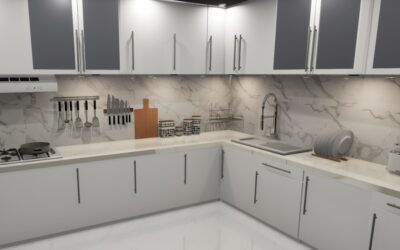
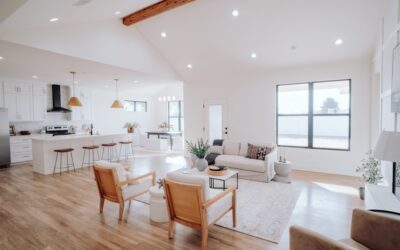
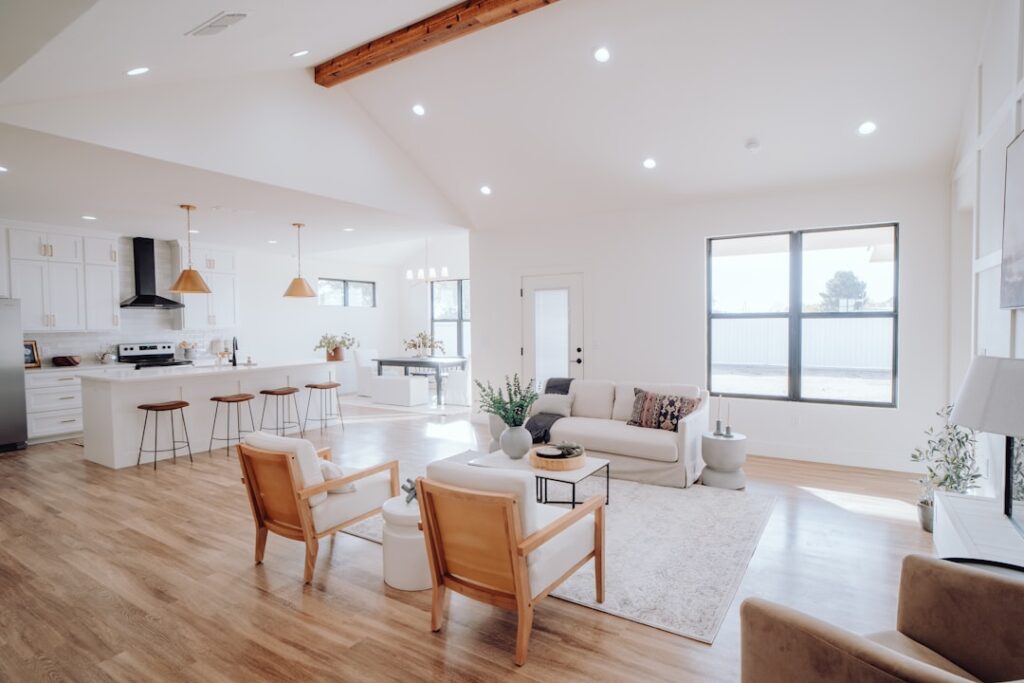
Stop laying samples flat on wall racks. Build 6 to 10 ft by 6 to 10 ft room vignettes with the actual flooring installed, partial walls painted Sherwin-Williams Repose Gray or Benjamin Moore White Dove, and a single furniture anchor (bench, side chair, or coffee table). Mohawk and Shaw both supply dealer-program vignette frames at cost. A 3,000 sq ft showroom should run 8 to 12 vignettes minimum, rotated quarterly. Shoppers stand on the floor, photograph it against the wall color, and self-qualify before they ever ask for a quote.
Lighting Specifications That Sell
- Color temperature: 3000K to 3500K LED throughout — warmer makes oak look orange, cooler makes white oak look gray
- CRI rating: minimum 90, ideal 95+ to render wood tones accurately
- Foot-candles: 50 to 75 fc on display floors, 100+ fc at sample board pulls
- Track heads: 24-degree spots for vignette accents, 60-degree floods for general fill
- Daylight windows: covered with translucent film during display hours; full sun shifts perceived color 15 percent
Sample Board Architecture
The classic 12 in by 18 in sample board with 6 to 12 samples per board still works, but stack them at three heights. Bottom row at knee height for shoppers comparing to their existing tile or LVP. Middle row at hand level, the primary engagement zone. Top row at eye level for designer-grade premium product like Mirage, Carlisle, and Stuga wide plank. Boards on slide-out frames pull twice the engagement time of fixed wall mounts. Label every board with brand, collection, width, wear layer, AC rating or Janka, and retail price per sq ft.
Category Zoning
Organize the showroom by use case rather than product type. A “Kitchen and Wet Areas” zone clusters waterproof LVP from LifeProof, COREtec, Mannington Adura Max, and porcelain tile from Daltile and MSI. A “Living and Bedroom” zone gathers engineered hardwood, premium carpet, and laminate. A “Commercial and Light Commercial” zone holds AC5 laminate, Karndean Korlok, and Mohawk Group products. Shoppers think in rooms; merchandising by core-construction confuses them.
Traffic Flow That Forces Engagement
Place a destination object at the deepest point of the showroom (a wide-plank white oak vignette, a luxury master bath tile install, or a fireplace surround) so shoppers walk past every category to reach it. Mid-aisle obstacles slow movement; lower-priced LVP at the entry is a mistake because shoppers anchor on price first. Lead with a $14 per sq ft Mirage Atlantis vignette and the rest of the floor looks like value. Lead with a $1.99 per sq ft promotional LVP and shoppers will not pay for the upgrade.
The Showroom Floor Itself
What you walk on matters more than any sample. Most successful dealers use polished concrete in a 30 to 50 grit medium-shine finish so the products on display read against a neutral background. Carpet tile from Interface or Shaw Contract works in upscale design centers but limits the ability to install actual hardwood vignettes that need cleat-nailing. Avoid bright white epoxy; it blows out CRI readings and makes wood look greenish.
Digital Integration and Sample Checkout
Tablet stations running Mohawk Visualizer, Shaw Floorvana, or third-party tools like Roomvo let shoppers upload a phone photo of their room and overlay a flooring sample in seconds. This single technology has lifted close rates 15 to 25 percent at dealers who deploy it. Pair it with a sample checkout system; shoppers who take 3 home samples close at 35 to 50 percent versus 8 to 12 percent for in-showroom-only browsers. Track every sample with a barcode and follow up at 72 hours.
Sample Take-Home Policy
The fastest closing showrooms maintain a generous sample take-home library that customers can borrow without a deposit. Stock 2 to 3 copies of every flagship sample in 8 in by 10 in cuts and let shoppers carry 3 to 5 samples home overnight or for a weekend. Track each loaner on a simple paper form or tablet app, and follow up at 48 hours with a phone call to address questions and book a measure appointment. Dealers using this protocol report close rates 3 to 5 times higher than showrooms that only show samples in-store. The unit economics work because samples cost the dealer $1 to $3 each, and a closed ticket averages $5,000 to $12,000.
Branding the Showroom Identity
Independent dealers cannot outspend Home Depot on price, so they win on expertise and experience. Display the lead designer’s NWFA certification, CTEF tile installer certification, and any local hardwood refinishing portfolio prominently. A “What We Refuse to Sell” sign listing common low-grade imports signals authority. Use the lobby for a 4 ft by 6 ft library of failure samples (warped laminate, blown LVP, scratched aluminum oxide finish) with placards explaining the cause; nothing builds trust faster than a dealer who shows the bad alongside the good.
Sound, Scent, and Sensory Cues
Acoustic and olfactory details quietly shape shopper behavior. Hard-surface showrooms echo, and the noise pushes shoppers out faster; install ceiling acoustic panels from Armstrong Optima or Tectum to drop reverberation time below 0.6 seconds. Background music tested by retail consultancies at 70 to 75 decibels with 80 to 100 BPM tempo measurably extends dwell time by 12 to 18 percent. Avoid heavy fragrances; the chemistry of fresh-installed adhesives and finishes already saturates the air and adding plug-in scents creates a synthetic feel that undermines the natural-material story you are selling.
Refresh Cadence and Investment
Rebuild 25 percent of vignettes every quarter, 100 percent annually. Budget 1 to 2 percent of gross revenue on showroom physical refreshes; dealers who underspend here lose their edge to the big-box stores. Flooring showroom design ideas that convert require ongoing investment, not a one-time fit-out, and the payoff lands in closed tickets and average sale size, both of which scale faster than store traffic.
Prefer to explore on your own?
See how new flooring looks in your actual room in seconds — free, no signup.
Try the free Floor Studio →