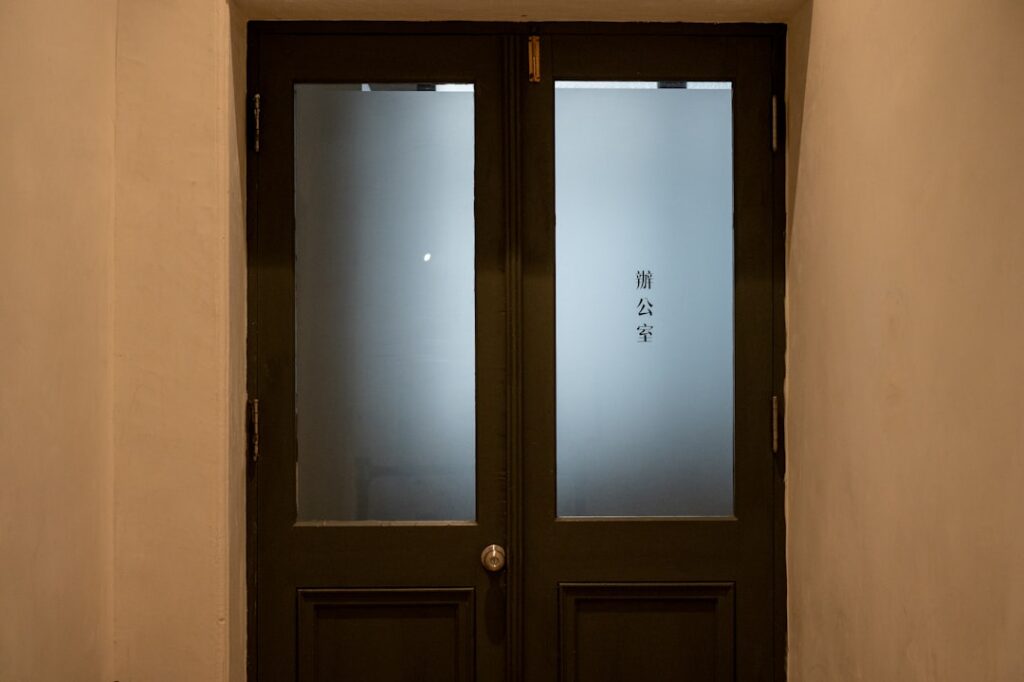
The most requested fix in dark hallways, windowless home offices, and cave-like laundry rooms is not a light fixture — it is borrowed daylight. A frosted glass interior door passes 70 to 90 percent of the light a clear pane would while reducing what anyone can see through it to shapes and shadows, which is why it has become the standard answer for rooms that need brightness and privacy at the same time. But “frosted” spans everything from a barely-hazy satin etch you can nearly read through to full opacity, and the wrong level in the wrong room is a daily annoyance. This guide covers privacy ratings, door styles, film versus factory glass, room-by-room recommendations, and realistic pricing. (Exterior glass doors are a different animal with their own article — everything here is interior.)
How Frosting Works and What “Privacy Level” Means
Frosting scatters light instead of blocking it. Factory glass gets there by acid etching or sandblasting the surface into microscopic texture; films and sprays add a translucent layer that does the same job. Manufacturers grade the result on a privacy scale, usually 1 to 10 or descriptive tiers:
- Light satin (privacy ~4–6): softens detail at close range; a person 3 feet away is a recognizable blurred figure. Fine for pantries and offices, not for bathrooms.
- Standard frost (privacy ~7–8): the common “obscure” glass — silhouettes and motion only, no detail even up close. The right default for most rooms.
- Full frost / white laminate (privacy 9–10): light comes through as a glow; even shadows are vague unless someone presses against the glass. Bathroom- and bedroom-appropriate.
- Patterned obscure glass (rain, reed/fluted, aquatex, narkiki): texture rather than frost. Reeded glass, hugely popular right now, distorts vertically but reveals more than true frost — treat it as privacy 5–6, a style choice more than a privacy solution.
Two rules of thumb from installed experience: privacy drops sharply when a person or object touches the glass (a hand on a frosted pane reads clearly), and privacy reverses at night — a lit room behind frosted glass shows crisper silhouettes to the dark side. Judge samples with a lamp behind them, not on a bright showroom wall.
Full-Lite vs. Multi-Lite Styles
Full-lite (1-lite)
A single sheet of frosted glass filling the door — maximum light, cleanest modern look, and the best canvas for full-frost privacy since there are no sight-line gaps. Typically built as a stile-and-rail frame (pine, primed MDF composite, or aluminum) around tempered glass. This is the default for office French doors and contemporary interiors.
Multi-lite (3, 5, 10, and 15-lite)
Divided panes with muntin bars — the “French door” look. A 10-lite or 15-lite frosted door reads traditional; a 3- or 5-lite with horizontal bars reads craftsman-to-modern and pairs neatly with 5-panel doors elsewhere in the house. Note the difference between true divided lites (individual panes, heavier, pricier) and simulated divided lites (one sheet with applied grilles — cheaper, easier to clean, and visually fine once frosted). Multi-lite frames slightly reduce total light area, roughly 15 to 25 percent versus full-lite.
French pairs and barn doors
Double French doors with frosted full-lites are the classic home-office solution for wide openings — light through, meeting noise damped, 60 to 72 inch openings filled for $600 to $1,500 prehung. Frosted-glass barn doors (a single big slider on a top rail, $300 to $900 with hardware) suit laundry rooms and pantries where a swing would eat floor space; just remember barn doors seal poorly at the edges — light and sound leak, and true bathroom privacy requires a well-overlapped opening and a teardrop latch. Pocket doors with frosted lites solve the same space problem with better closure, at the cost of wall surgery.
Film vs. Factory Frosted Glass
If a clear-glass door is already in place, frosting film is the budget path:
- Adhesive or static-cling frost film ($15–$40 per door in material; 3M, Gila, BDF brands): applied with soapy water and a squeegee like tint. Good film is surprisingly convincing at eye level, removable, and available in gradients (clear at top, frosted below) that factory glass rarely offers cheaply. Weaknesses: edge lift and bubbles with sloppy prep, scratches over years of cleaning, and visible seams on panes wider than the roll.
- Frosted spray (Rust-Oleum Frosted Glass, ~$8/can): fast and cheap, but streaky on large panes, hard to repair, and permanent-ish. Best confined to small multi-lite panes.
- Factory acid-etched or laminated glass: uniform, cleanable with anything, scratch-tolerant, and the only way to get true full-frost white laminate. Also the only route that comes tempered as a unit — which building codes require for glass in doors. Costs more up front, zero fuss after.
The honest recommendation: film is excellent for renters, gradient effects, and upgrading existing doors; anyone buying a new door should simply buy factory frosted glass and never think about it again.
Room-by-Room Playbook
- Home office: full-lite standard frost, French pair on wide openings. You get daylight into the hall, “door closed means working” visibility, and enough acoustic separation for calls (add a solid-core frame door with glass lite rather than a hollow frame for noticeably better sound control).
- Pantry: the signature move — a full-lite frosted door labeled PANTRY has become a kitchen trope for good reason. Standard frost hides shelf clutter; light satin works if your shelves are tidy.
- Laundry room: frosted glass turns a windowless laundry from a closet into a room. Standard-to-full frost hides the hamper pile; a barn-door version frees swing space for baskets.
- Bathroom: full frost only (privacy 9–10), tempered, with a proper privacy latch — and think hard about night backlighting. Best for powder rooms and en-suites off a private bedroom; for a hall bath used by guests, many people still prefer solid.
- Bedroom: full frost or laminated white glass; popular on primary-suite entries and closet doors, where mirrored sliders used to live.
- Basement stair and hallway doors: light satin or standard frost purely as light movers.
What They Cost
- Frost film on existing glass: $15 – $50 DIY per door
- Single frosted multi-lite slab (pine/MDF composite): $200 – $400
- Full-lite frosted slab: $250 – $500; aluminum-frame modern versions $400 – $900
- Prehung single frosted-glass door: $350 – $700
- French pair, prehung: $600 – $1,500
- Barn door kit with frosted glass and hardware: $300 – $900
- Installation: $150 – $350 per opening; barn-door hardware mounting $150 – $300 (needs a header board or blocking)
Glass doors weigh 60 to 100 lb — hinges, and for barn doors the track and blocking, must be rated accordingly. All glass in doors must be tempered safety glass; reputable stock doors are, but verify the bug stamp on salvage and imports.
Cleaning and Living With Frosted Glass
Maintenance differs by frosting method, and it is worth knowing before you buy. Acid-etched factory glass has microscopic texture that grabs skin oils — fingerprints around the push zone are its one genuine annoyance, showing more than they would on clear glass. Clean with glass cleaner or diluted vinegar and a microfiber cloth, working in circles; stubborn oil marks respond to a little rubbing alcohol. Laminated white-interlayer glass is smooth on both faces and wipes like any window. Film-frosted doors need gentler handling: no ammonia cleaners on budget films, no razor scrapers ever, and expect to replace film every 5 to 8 years in high-touch spots. Households with small children should favor laminated glass or film-over-tempered — both hold fragments together on impact — and put decals or a visible mullion at kid height on full-lite doors, since a well-frosted pane can read as an open doorway to a running five-year-old. None of this is burdensome; it is the same care a shower enclosure needs, applied to a door.
Choosing Well: A Short Checklist
- Pick privacy level by room (satin for style, standard for most, full for bath/bed) and test samples backlit at night.
- Full-lite for maximum light and modern lines; multi-lite to match traditional trim.
- Factory frosted for new doors; film for existing glass and rentals.
- Match frame material to finish plans — primed composite for paint, pine or fir for stain.
- Confirm tempered glass, weight-rated hardware, and a privacy lock where it matters.
Get those five right and a frosted glass interior door does quiet, daily work: every hallway brighter, every closed door still letting the house feel open.