Grout color quietly decides whether a tile job looks intentional or accidental, and the shade you pick lives with the tile for its whole life. Frosty grout color is a soft, cool off-white with a faint gray undertone, and it has become one of the most reliable choices for homeowners who want a clean look without the harshness of bright white. It reads as crisp and airy in daylight, hides more grime than pure white, and flatters a huge range of tile from marble-look porcelain to glossy subway. If you are torn between stark white and a muddy gray, frosty often threads the needle.
This guide explains exactly what the shade is, where it performs best, how it holds up to staining, and how it stacks up against the two colors people usually compare it to.
- What “Frosty” Actually Looks Like
- Where Frosty Grout Works Best
- Blend or Contrast: Reading the Effect
- Staining and How Frosty Holds Up
- Sealing and Long-Term Care
- Frosty vs. Bright White vs. Gray
- Sanded vs. Unsanded in a Frosty Tone
- Testing the Color Before You Commit
- Is Frosty Grout Color the Right Pick?
What “Frosty” Actually Looks Like
Frosty is not pure white and it is not gray. It sits between them, a light cool white with just enough gray in the base to soften it. Under natural light it looks clean and bright; under warm bulbs it settles into a quiet, neutral tone that does not go yellow. Because the undertone is cool rather than warm, it pairs naturally with modern and coastal palettes, whites, soft grays, blues, and blacks, rather than with warm creams and tans.
Grout color names vary by brand, so the exact chip labeled “frosty” from one manufacturer may sit a hair lighter or darker than another’s. Always confirm against a physical sample rather than a screen, because monitors distort these subtle off-whites badly.
Where Frosty Grout Works Best
The shade is versatile, but it earns its keep in specific situations.
- White and light tile: a frosty joint blends softly, letting the tile field read as a continuous surface instead of a grid.
- Marble-look porcelain: the cool undertone echoes the gray veining in the stone for a coordinated, high-end result.
- Subway tile backsplashes: it gives just enough definition to show the brick pattern without the stark outline pure white creates.
- Modern and coastal bathrooms: the cool tone complements blues, grays, and crisp white fixtures.
- Gray-toned floor tile: it ties into the tile without disappearing, keeping the joints subtle but visible.
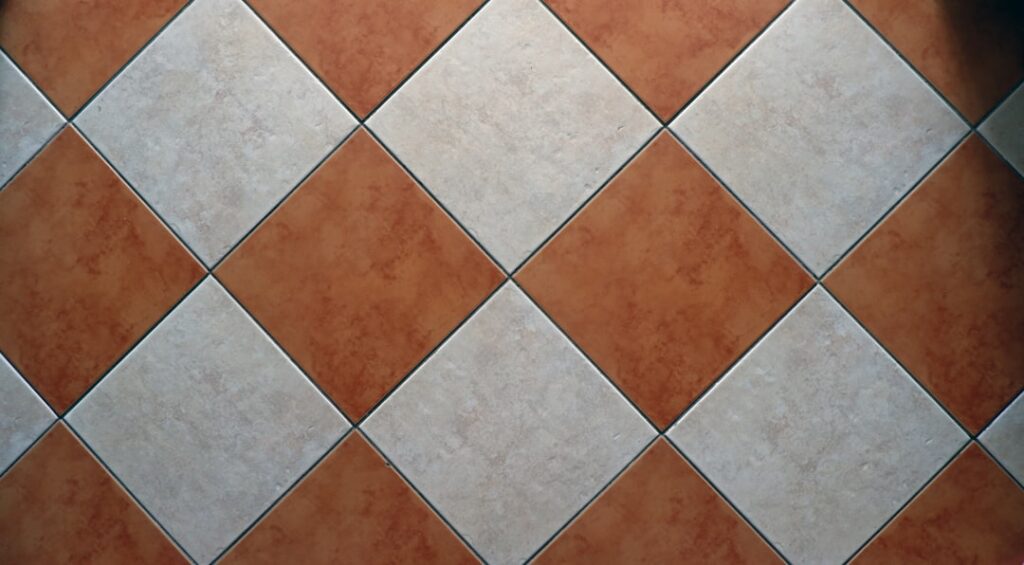
Where it works less well is with warm-toned tile, terracotta, beige travertine, or honey-colored wood-look planks, because the cool base can look slightly off next to those warm hues. For those, a warmer almond or bone grout usually reads better.
Blend or Contrast: Reading the Effect
Grout does one of two jobs. A blending grout, close to the tile color, makes the surface feel calm and expansive by letting individual tiles melt together. A contrasting grout outlines each tile and turns the layout into a graphic feature. Frosty grout color usually plays the blending role, which is exactly why so many people choose it: it delivers a clean, cohesive look that does not fight the tile.
Against a darker tile, though, frosty flips into a contrasting role and draws a bright grid across the wall or floor. That can look sharp on a navy or charcoal backsplash, but it also shows every imperfection in your grout lines, so your joints need to be neat. Decide which effect you want before you commit, because the same grout behaves very differently depending on the tile it borders.
Staining and How Frosty Holds Up
Any light grout stains more visibly than a mid-tone gray, and frosty is no exception. On floors, foot traffic grinds dirt into the joints, and in kitchens, grease and food splatter leave marks that show against the pale surface. The good news is that the faint gray undertone gives frosty a real edge over pure white: it masks light soiling far better and does not yellow the way bright white can over the years.
The bigger variable is what type of grout you buy. Standard cementitious grout is porous and will absorb stains unless it is sealed and maintained. Epoxy grout, by contrast, is nonporous, stain-resistant, and never needs sealing, which makes it the smart upgrade for a light color in a high-use kitchen or bathroom. It costs more and is harder to install, but for a frosty tone in a demanding spot, it removes the main downside of choosing a pale grout.
Sealing and Long-Term Care
If you go with cementitious grout in a frosty shade, sealing is not optional. Apply a quality penetrating grout sealer after the grout has fully cured, usually 48 to 72 hours, then reseal roughly once a year in wet or high-traffic areas. The sealer does not change the color; it fills the pores so spills sit on top long enough to wipe away instead of soaking in.
For everyday cleaning, use a pH-neutral cleaner and skip acidic products like vinegar, which erode both the sealer and the grout over time. A soft brush and warm water handle most buildup. When joints do dull or discolor after years of use, a grout colorant or refresh coat can restore the frosty tone without a full re-grout, which is a cheap way to reset a tired-looking floor.
Frosty vs. Bright White vs. Gray
The three-way comparison is what most buyers are really weighing. Bright white grout gives the crispest, most graphic look and pairs beautifully with white tile for a fresh, contemporary feel, but it stains the fastest, can yellow, and demands the most upkeep. Solid gray grout is the low-maintenance workhorse; it hides dirt best and is forgiving on floors, but it can feel heavy against light tile and sometimes reads as dull or dingy.
Frosty splits the difference. It keeps most of the clean, bright character of white while borrowing enough gray to resist showing grime and to avoid yellowing. That balance is exactly why it has become a default for designers working in modern and transitional spaces. If you want the look of white without the daily maintenance headache, frosty is usually the answer.
Sanded vs. Unsanded in a Frosty Tone
Color is only half the grout decision; the formulation matters just as much, and it interacts with how a light shade like frosty performs. Sanded grout contains fine aggregate that adds strength and resists shrinking, which makes it the right pick for joints 1/8 inch and wider, common on floors. Unsanded grout is smoother and better for narrow joints under 1/8 inch and for delicate surfaces like polished marble or glass, which sand can scratch. In a frosty shade, the takeaway is to match the formulation to your joint width first, then confirm the color chip is available in that formula, because not every color is offered in both.
If you want the ultimate low-maintenance version of a frosty joint, epoxy grout comes in matching light tones and sidesteps the sanded-versus-unsanded question entirely, since it is a different chemistry built for stain resistance. It costs more and sets faster, giving you less working time, so weigh the upgrade against how demanding the space is.
Testing the Color Before You Commit
The biggest mistake homeowners make with any light grout is choosing it from a tiny chip under showroom lighting, then living with a surprise. Wet grout also looks noticeably darker than cured grout, so the color you see while your installer is working is not the color you will end up with. To avoid regret, mix a small batch and grout a few spare tiles or an inconspicuous corner, then let it fully cure for two to three days before you judge it against your tile in the room’s actual daylight and evening light.
Pay attention to how the frosty tone shifts as the light changes through the day, because a cool off-white can look bright and clean at noon and slightly gray at dusk. If the sample reads right in both, you have the correct color. This half-day of testing costs almost nothing and prevents the expensive, messy job of grinding out and replacing grout you dislike.
Is Frosty Grout Color the Right Pick?
Choose frosty when your tile runs cool or neutral, when you want the joints to blend rather than shout, and when you like the idea of a white look that ages better than true white. Pair it with epoxy grout or a diligent sealing routine, and it will stay clean and consistent for years. Skip it only if your tile and palette lean warm, where a bone or almond tone will sit more naturally. For the majority of white, gray, and marble-look installations, frosty grout color is a low-risk, high-payoff choice that makes the whole surface look considered rather than left to chance.