
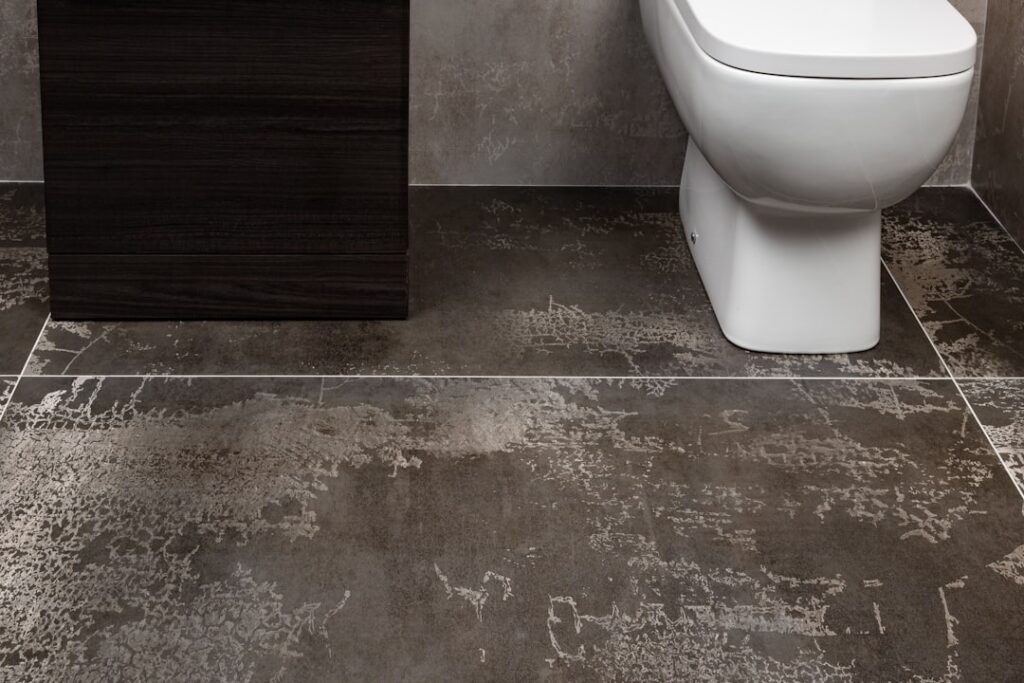
A powder room is the one space in the house where you can go wild and nobody complains. Funky bathroom wallpaper turns a six-by-eight box into the most photographed room in the property, but only if you pick a paper that can shrug off shower steam and toothpaste splatter. Choose wrong and you will watch seams curl inside a year. Choose right and you have a feature wall that lasts ten plus years for under three hundred dollars in materials.
What Counts as Funky in 2026
Forget the timid florals. Funky right now means oversized botanicals, chinoiserie cranes, geometric op-art, hand-drawn squiggles, and acid-bright color blocks. Designers at Anthropologie, Hygge & West, and Rebel Walls have been pushing maximalist prints that read almost like wall murals, and homeowners are following. A Houzz survey from late 2025 showed 31 percent of bathroom remodels now include patterned wallpaper on at least one wall, up from 12 percent five years earlier.
If you want longevity, lean into prints with a defined repeat under 25 inches. Tiny repeats hide seam alignment errors and are easier to patch later when a plumber inevitably opens a wall.
Vinyl vs Paper vs Peel-and-Stick
Three substrates dominate the funky aisle, and they are not interchangeable in a wet room.
- Type II solid-vinyl (commercial-grade, 20+ oz per linear yard) is the workhorse. Scrubbable, splash-tolerant, and rated for 7 to 10 years in residential baths. Expect $45 to $90 per double roll.
- Non-woven paste-the-wall from brands like York and Cole & Son handles moderate moisture and strips cleanly during your next remodel. Budget $60 to $140 per roll.
- Peel-and-stick from Tempaper, Chasing Paper, and Spoonflower runs $35 to $80 per roll. Great for renters, but lifts at seams above 70 percent humidity. Skip it for the wall behind a tub or shower.
Where to Hang It (and Where Not To)
Direct shower-spray zones are off-limits for any wallpaper, full stop. The 2024 IRC still treats those surfaces as wet areas requiring waterproof finishes such as tile, solid surface, or fiberglass panels. Everywhere else in a typical bath is fair game if your exhaust fan moves at least 50 CFM and runs 20 minutes after each shower.
Best candidates for that bold print: the toilet wall, the vanity wall above a 4-inch backsplash, the ceiling (yes, the ceiling), and the inside of a niche. A single accent wall behind a freestanding tub photographs beautifully without putting paper anywhere it can soak.
Prep Work the Pros Actually Do
Skipping prep is why bad installs blame the wallpaper. Walk through this list before you open a single roll.
- Skim-coat any orange-peel or knockdown texture with a 1/8-inch layer of joint compound. Sand to 220 grit. Funky prints expose every bump.
- Prime with a pigmented wallpaper primer such as Roman PRO-977 Ultra Prime or Zinsser Shieldz at roughly $32 per gallon. One gallon covers about 300 sq ft.
- Caulk the wall-to-ceiling and wall-to-baseboard joints with paintable acrylic. Cracks pull the seams.
- Kill any mold spots with a 1:10 bleach solution, rinse, and let dry 24 hours. Capping mildew under vinyl is asking for trouble.
Real Project Costs
For a standard 5-by-8 powder room with one accent wall (about 40 sq ft), here is what you should budget:
- DIY peel-and-stick: $80 to $160 in materials, 3 to 4 hours of work.
- DIY traditional paste-the-wall: $140 to $260 including primer, paste, smoothing brush, and a 24-inch level.
- Professional install: $4 to $9 per sq ft labor plus materials. Most pros charge a $250 minimum, so a small accent wall typically lands between $400 and $650 all in.
Whole-room installs scale linearly. A full powder-room wrap (roughly 180 sq ft of wall surface) usually runs $900 to $1,800 turnkey.
Pattern Pairings That Work
Bold paper needs quiet partners. The classic move is to keep flooring, vanity, and ceiling in muted tones so the pattern carries the room. A dark-green palm print pairs beautifully with brushed-brass Delta Trinsic fixtures, Carrara hex floor tile, and a flat-front white oak vanity. Saturated coral squiggles look killer against a matte black Kohler Veil toilet and unlacquered brass hardware. If your wallpaper has three or more colors, pull the least dominant one for your paint trim, not the loudest.
Maintenance That Keeps It Looking New
Vinyl wallpapers shrug off a damp microfiber and mild soap. Avoid Magic Erasers, Pine-Sol, and anything with citrus solvents. They strip the topcoat and dull the print. Wipe condensation off after long showers, and once a year run a soft-bristle brush along the baseboard seam to dislodge dust before it bonds.
If a seam lifts, hit it with a dab of Roman 880 seam adhesive and roll flat with a 1.5-inch seam roller. Repairs take five minutes and run under ten dollars.
When to Call a Pro
Hire out if you have arched windows, sloped ceilings, a panel repeat over 27 inches, or grasscloth (which shows every overlap). A seasoned hanger nets you a clean install in four to six hours and absorbs the cost of any miscut panels. For straight walls and small repeats, DIY confidently. Bathroom wallpaper rewards patience more than skill, and the funky pattern you choose now will outlast three sets of towels.
Caulk, Seal, and Trim Details
The difference between a bathroom wallpaper install that looks like a designer did it and one that looks DIY almost always comes down to the perimeter. Use a paintable acrylic latex caulk to seal the top of every wallpaper run where it meets the ceiling. The caulk hides any micro-gaps where steam can lift the edge. At the baseboard, run a thin bead between the bottom edge of the paper and the top of the trim. Around outlet covers, switch plates, and recessed niches, use a sharp utility knife to score the paper exactly at the edge and tuck the cut line behind the trim plate. A 3M Hookit razor with a fresh #11 blade gives the cleanest cut. Replace blades every two outlets to avoid drag.
Tile-to-wallpaper transitions deserve special attention. The standard contractor move is a 1/8-inch reveal caulked with color-matched silicone, which expands and contracts with humidity without tearing the paper. Skip rigid trim like Schluter strips on this joint. They look great with tile-to-tile transitions but introduce a hard edge that catches snags on wallpaper.
Color and Light Considerations
A 4×6 powder room with no windows reads differently than a 9×10 primary bath with skylights. Dark moody wallpapers shrink small rooms visually, but pair beautifully with bright LED vanity sconces in the 2700 to 3000 Kelvin range. Lighter patterns expand small spaces and forgive imperfect lighting. If your only light source is a single overhead can, choose a paper with high contrast and minimal background detail. Subtle prints get lost. If you have multiple wall sconces or a layered lighting plan, you can run busier patterns since the directional light highlights the texture.


